VoIP Explained: Scalable Calling, SIP Trunks, and Modern Phone Systems
When you make a call over the internet instead of a phone line, you’re using VoIP, Voice over Internet Protocol—a system that turns your voice into digital data sent across networks. Also known as internet telephony, it’s what powers calls on Zoom, Microsoft Teams, and your business phone system today. Unlike old landlines, VoIP doesn’t need copper wires. It runs on your existing internet, cuts international costs by up to 97%, and lets your team work from anywhere with a smartphone or laptop.
SIP trunks, the digital bridges that connect your office phone system to the public phone network, make this possible. They replace physical phone lines and let you add hundreds of users without new hardware. But VoIP quality depends on more than speed—it’s shaped by UDP vs TCP, the underlying protocols that decide how fast voice data travels, and how your ISP routes traffic between networks. Poor routing causes echo, delays, and dropped calls, even with fast internet.
Whether you’re running a pharmacy that needs HIPAA-compliant calls, a sports venue managing fan interactions, or a remote team needing mobile VoIP, the tools are here. Below, you’ll find real guides on setting up auto-provisioned phones, fixing echo, scaling call centers, and choosing the right system—no fluff, just what works in 2025.

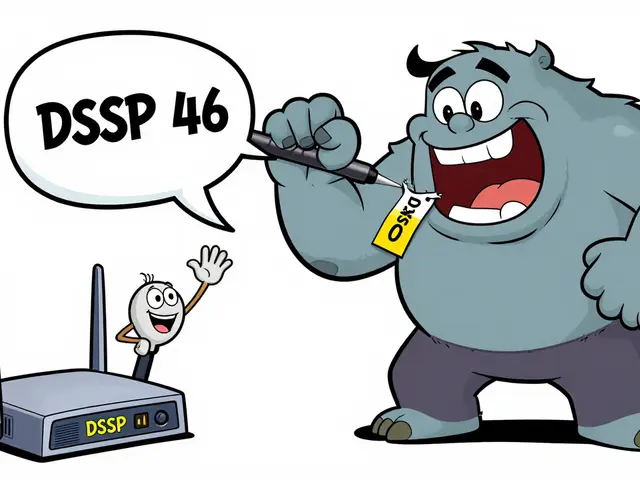
DSCP 46 is the standard for prioritizing VoIP traffic, but most ISPs strip it, causing poor call quality. Learn why this happens, how to test it, and what solutions actually work - MPLS, SD-WAN, or Tier-1 carriers.
Consensus messages and gossip protocols enable blockchain networks to agree on transaction history without a central authority. Learn how Bitcoin, Ethereum, and others spread data securely - and what trade-offs they make for speed, bandwidth, and decentralization.

Interoperability in the metaverse lets you move your digital identity and assets across platforms. Without it, the metaverse stays fragmented. Here’s how open standards, regulations, and enterprise demand are making cross-platform compatibility a reality.
Re-INVITE and SDP renegotiation issues cause VoIP calls to drop during hold, transfer, or music on hold. Learn why this happens, how to diagnose it with real-world examples, and what settings to fix in Cisco, Avaya, and WebRTC systems.
Learn how encryption at rest and access controls protect VoIP call recordings from breaches and compliance violations. Essential for businesses handling sensitive customer data under GDPR, HIPAA, or PCI-DSS.
SIP proxies and B2BUAs handle VoIP calls differently-one relays signals, the other controls them. Learn how each works, when to use them, and why most businesses choose B2BUAs despite the added complexity.
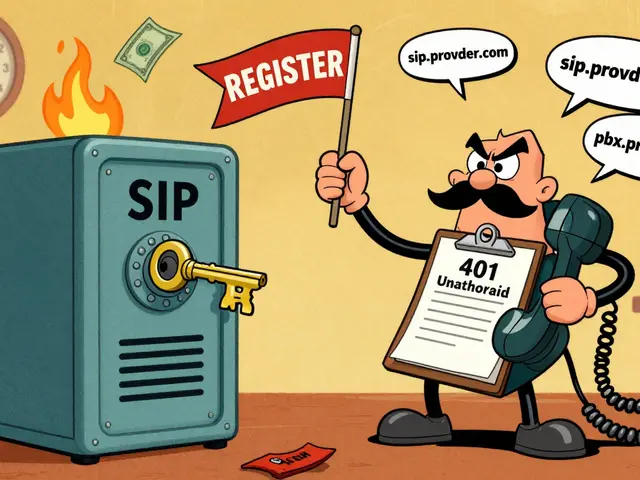
SIP registration failures due to authentication issues are common in VoIP systems. Learn the top causes-like realm mismatches and UDP problems-and how to fix them step by step to restore your phone service.
SIP registration failures due to authentication issues are common in VoIP systems. Learn how to fix 401 Unauthorized errors by checking realms, credentials, transport protocols, and platform-specific settings to restore call functionality.
Presence information shows real-time availability status in VoIP and team communication tools like Teams and Zoom. Learn how it works, why it matters, and how to fix common issues with status tracking.
Cross-border payments require strict AML, KYC, and sanctions compliance to avoid fines, legal action, and operational shutdowns. Learn how the 2026 regulatory landscape works and what you must do to stay compliant.
Choosing a VoIP provider in 2026 means looking beyond price. Focus on network readiness, uptime, security, AI features, and transparent pricing. Avoid hidden costs and pick a system that integrates with your tools and supports your team.
Understand how Ethereum transactions move from your wallet to final confirmation, including the role of the mempool, gas fees, validators, and what happens when things go wrong.