



Imagine you’re looking at a shiny new cryptocurrency. The chart looks promising, the team is posting on Twitter every day, and the whitepaper sounds like it’s going to change the world. But then, six months later, the price has dropped by 90%, and the project feels dead. What went wrong? It usually wasn’t the technology. It was the tokenomics - the economic structure of a token within its ecosystem.
Most investors focus on hype or tech specs, but smart money looks at the math. Tokenomics is literally a blend of "token" and "economics." It determines whether a project can survive when the bull market ends and the bears come out. If you want to avoid getting burned by pump-and-dump schemes, you need to learn how to read these economic blueprints. This guide breaks down exactly what to look for so you can tell if a project has legs or just hot air.
What Exactly Is Tokenomics?
Think of tokenomics as the rulebook for how value moves around a blockchain network. It’s not just about how many coins exist; it’s about who gets them, when they get them, and why anyone would want to hold them. A well-designed model ensures stability even during market crashes. A bad one creates extreme volatility that scares off real users.
At its core, this analysis answers three critical questions:
- Does the project actually need the token to function?
- Is the distribution fair, or did insiders grab all the chips?
- Can the economy sustain itself without constant inflation?
If a token is just a tool for raising capital with no real utility, it’s likely destined for failure. Real viability comes from tokens that power payments, governance, or security mechanisms.
The Supply Side: Fixed vs. Inflationary Models
Supply dictates scarcity, and scarcity drives value. When you analyze a project, first check the total supply cap. Bitcoin, for instance, has a hard cap of 21 million coins. This fixed supply creates digital gold status because no more can ever be mined. On the other hand, Ethereum doesn’t have a hard cap, but it uses burning mechanisms to offset issuance. Binance Coin (BNB) also burns tokens regularly to reduce supply over time.
You need to distinguish between Total Supply, Circulating Supply, and Max Supply. Many projects launch with only 10% of their tokens circulating. That means 90% are still locked up, waiting to hit the market. When those locks expire, sell pressure spikes. If the demand isn’t there to absorb that supply, the price tanks.
| Model Type | Example | Pros | Cons |
|---|---|---|---|
| Deflationary | Bitcoin, BNB | Scarcity increases value over time; predictable emissions. | May discourage spending if users hoard for appreciation. |
| Inflationary | Ethereum (pre-merge), Solana | Incentivizes staking and network security; flexible supply. | Risk of dilution if demand doesn't keep pace with issuance. |
| Elastic | Rebase Tokens (e.g., OHM) | Automatically adjusts supply to stabilize price. | Complex mechanics confuse retail investors; high volatility. |
Distribution: Who Owns the Power?
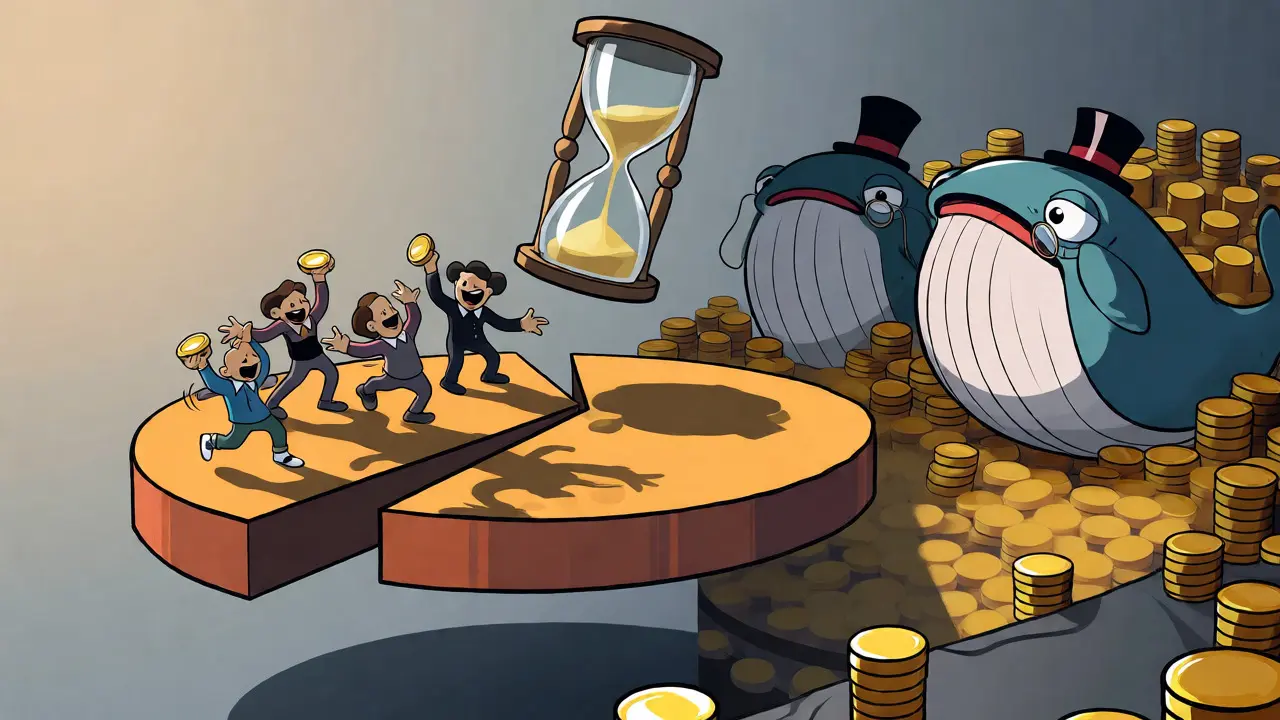
This is where most red flags pop up. Look at the allocation pie chart. If the founding team, venture capitalists (VCs), and early private investors hold 60-70% of the supply, you are essentially providing exit liquidity for them. A healthy project distributes tokens widely among the community, developers, and ecosystem partners.
Check the Vesting Schedules. These are contracts that lock tokens for a set period. You want to see cliff periods (where nothing unlocks initially) followed by gradual linear unlocks. If 50% of the team’s tokens unlock in month six, expect a massive dump right after that date. Tools like TokenUnlocks can help you track these dates.
Fairness matters. Use metrics like the Gini coefficient to measure inequality. A low Gini score means wealth is spread out. A high score means a few whales control everything. Decentralization isn’t just a buzzword; it’s a survival mechanism against central points of failure.
Utility and Demand Drivers
Why do people buy this token? If the answer is "to sell it higher," you have a problem. Sustainable projects have clear utility loops. Maybe you need the token to pay for gas fees, stake it to secure the network, or vote on protocol changes.
Consider Staking Rewards. High APYs (Annual Percentage Yields) sound great, but often come from inflation. If a project pays 20% yield by minting new tokens, your holdings are being diluted by 20%. You aren’t making profit unless the token price rises faster than the inflation rate. Always calculate the real yield versus the nominal yield.
Governance rights add another layer of demand. If holding the token gives you voting power on future upgrades, serious investors will accumulate positions to influence outcomes. This creates sticky demand that isn’t dependent on short-term price action.
Sustainability and Red Flags
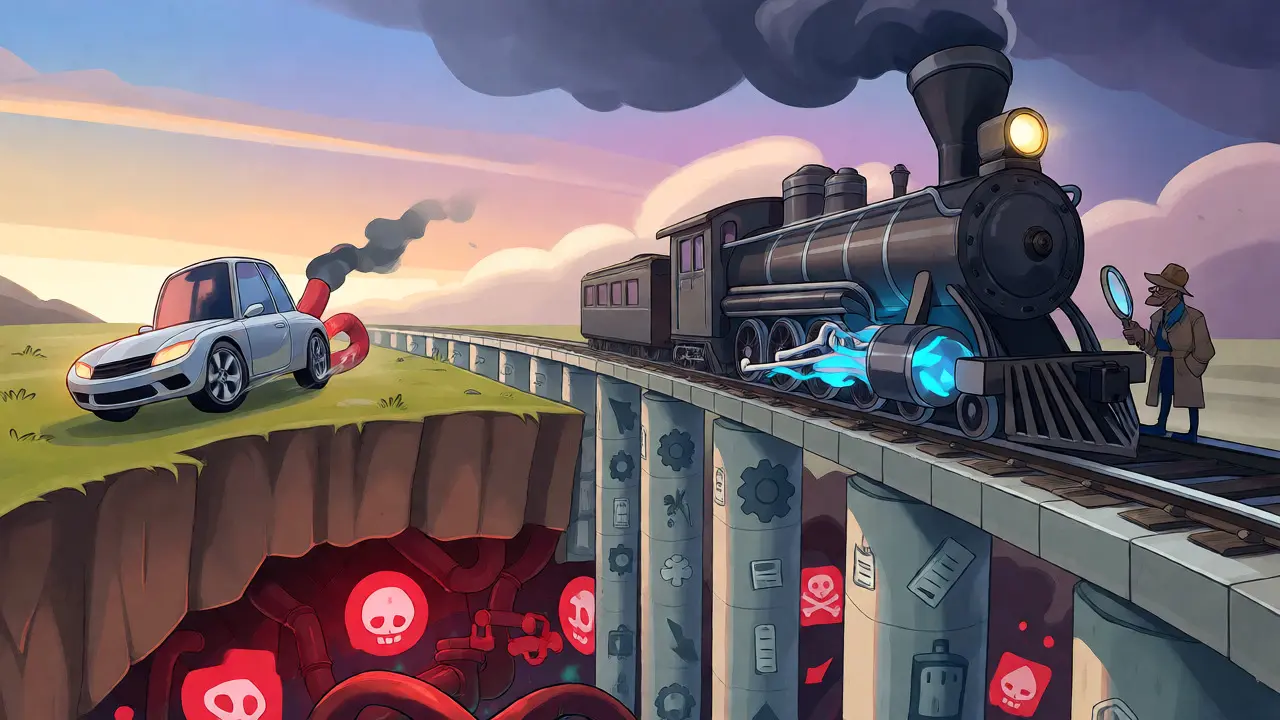
How does the project make money? Most blockchains don’t generate revenue like traditional companies. They rely on transaction fees or protocol taxes. Analyze the burn rate. Does the project burn fees to reduce supply? Or does it send fees to a treasury? If the treasury is empty and there’s no burn, the token might become worthless once the initial hype dies.
Watch out for these warning signs:
- Unlimited Minting: Can the team print more tokens whenever they need cash?
- No Vesting for Insiders: Did the team take their full allocation on day one?
- High FDV (Fully Diluted Valuation): Is the valuation based on all tokens existing today, even if they aren’t circulating yet?
- Ponzi-like Mechanics: Are returns paid solely from new investor deposits rather than actual usage?
A viable project balances incentives for early adopters with long-term value for latecomers. If early buyers are incentivized to dump immediately upon listing, the chart will show lower highs and lower lows forever.
Conducting Your Own Audit
You don’t need a PhD in economics to do this. Start by reading the whitepaper’s token section. Then, verify claims using on-chain data. Websites like Messari or Dune Analytics provide transparent views into supply dynamics.
Ask yourself: Will this token remain valuable as the ecosystem scales? If user adoption grows tenfold, does the token capture that value? Some protocols fail here because they let competitors capture the value while they bear the infrastructure costs. Look for alignment between token holders and protocol success.
Finally, consider the competitive landscape. Even perfect tokenomics can’t save a product nobody wants. But terrible tokenomics will kill a great product. It’s the foundation of trust. Without it, you’re just gambling on sentiment.
What is the difference between circulating supply and total supply?
Circulating supply refers to the number of tokens currently available for trading in the public market. Total supply includes all tokens that have been created or will be created, including those locked in reserves, held by the team, or reserved for future rewards. Investors should watch for large gaps between these two numbers, as they indicate potential future sell pressure when locked tokens are released.
Why are vesting schedules important for investors?
Vesting schedules prevent insiders and early investors from dumping their tokens immediately after launch. They lock up tokens for a specific period, ensuring that key stakeholders remain aligned with the project's long-term success. Without vesting, early backers could crash the price by selling their entire allocation on day one, leaving retail investors holding the bag.
Is a deflationary token always better than an inflationary one?
Not necessarily. While deflationary models create scarcity, which can drive price appreciation, they may discourage spending if users prefer to hold rather than use the currency. Inflationary models can be sustainable if the inflation rate is low and matched by growing demand from network usage. The key is balance and transparency in how new tokens are issued and distributed.
How does token utility affect long-term viability?
Utility drives organic demand. If a token is required to pay for transaction fees, access services, or participate in governance, its value is tied to the network's activity level. Tokens with no practical use beyond speculation are vulnerable to sharp declines when market sentiment shifts. Strong utility creates a floor for the token's value based on actual usage rather than just hype.
What are common red flags in tokenomics design?
Common red flags include excessive concentration of ownership among VCs or founders, lack of clear utility for the token, unlimited minting capabilities controlled by the team, and high fully diluted valuations relative to current circulation. Additionally, complex reward structures that seem designed to obscure the true cost of yields can signal unsustainable economic models.




Write a comment