

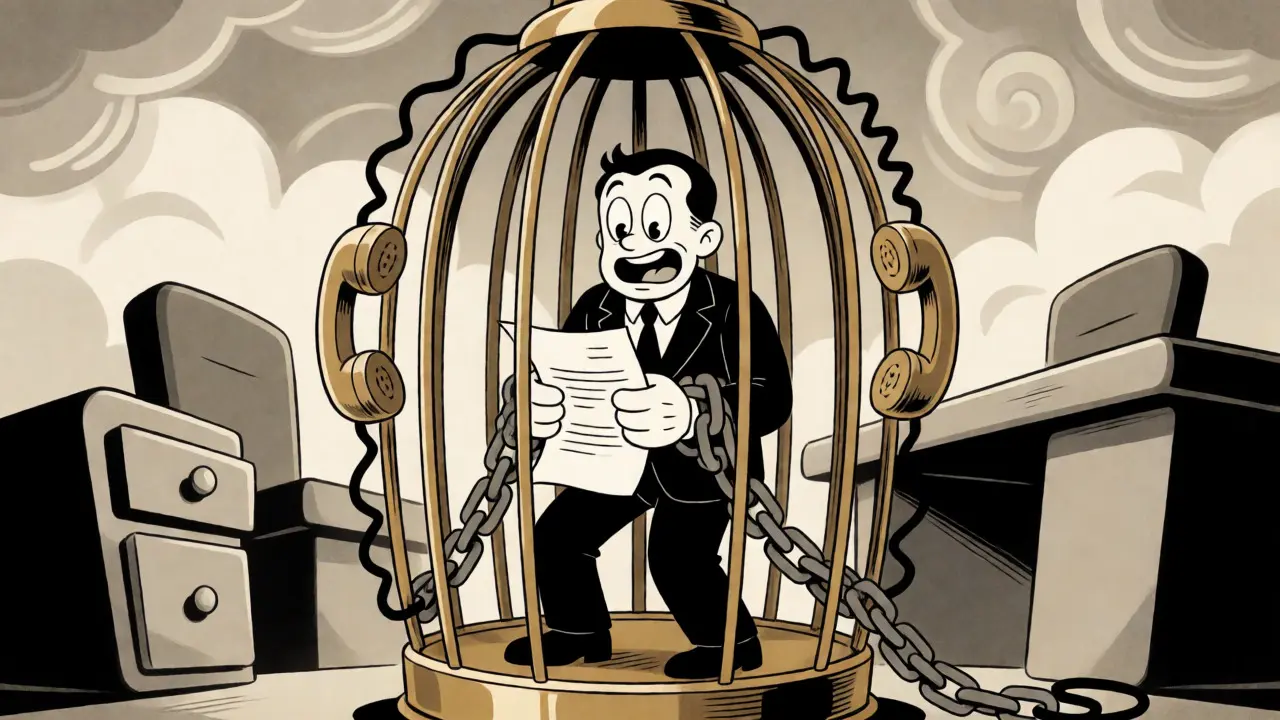

You signed a three-year deal to save money. It sounded like a smart move at the time. But two years in, your team shrank, or maybe a new competitor launched a better platform for half the price. Now you are stuck. You cannot leave without paying a penalty that wipes out any savings you thought you had. This is contract lock-in, and it is the silent killer of flexibility in modern business technology.
In the world of Voice over Internet Protocol (VoIP) and Software as a Service (SaaS), multi-year agreements are everywhere. Vendors love them because they guarantee revenue. Customers sign them to get a discount. But do you actually know what you are trading? Most people think they are buying stability. Often, they are buying a liability. Let’s break down how these agreements work, why they trap you, and how to negotiate so you don’t end up paying for software you barely use.
The Hidden Cost of "Discounts"
When a sales rep offers you 15% off if you sign a three-year contract, it feels like free money. And sometimes, it is. But data tells a different story. According to a 2026 benchmark by VendorBenchmark, while three-year enterprise commitments can yield discounts of 8 to 14 percentage points wider than annual deals, the average lock-in cost hits 18 to 32 percent when measured against efficient usage paths. What does that mean for you?
It means if your usage drops-or if you find a better tool-you pay a premium for staying put. The discount is real, but the opportunity cost is higher. Think of it like buying a gym membership for three years upfront. You save $200 compared to monthly payments. But if you stop going after six months, you didn’t save money. You wasted thousands. In VoIP, this happens constantly. Companies commit to 500 seats because they have 500 employees today. They forget that turnover is normal. By year two, they might only need 400 seats, but they still pay for 500.
How Auto-Renewals Trap You
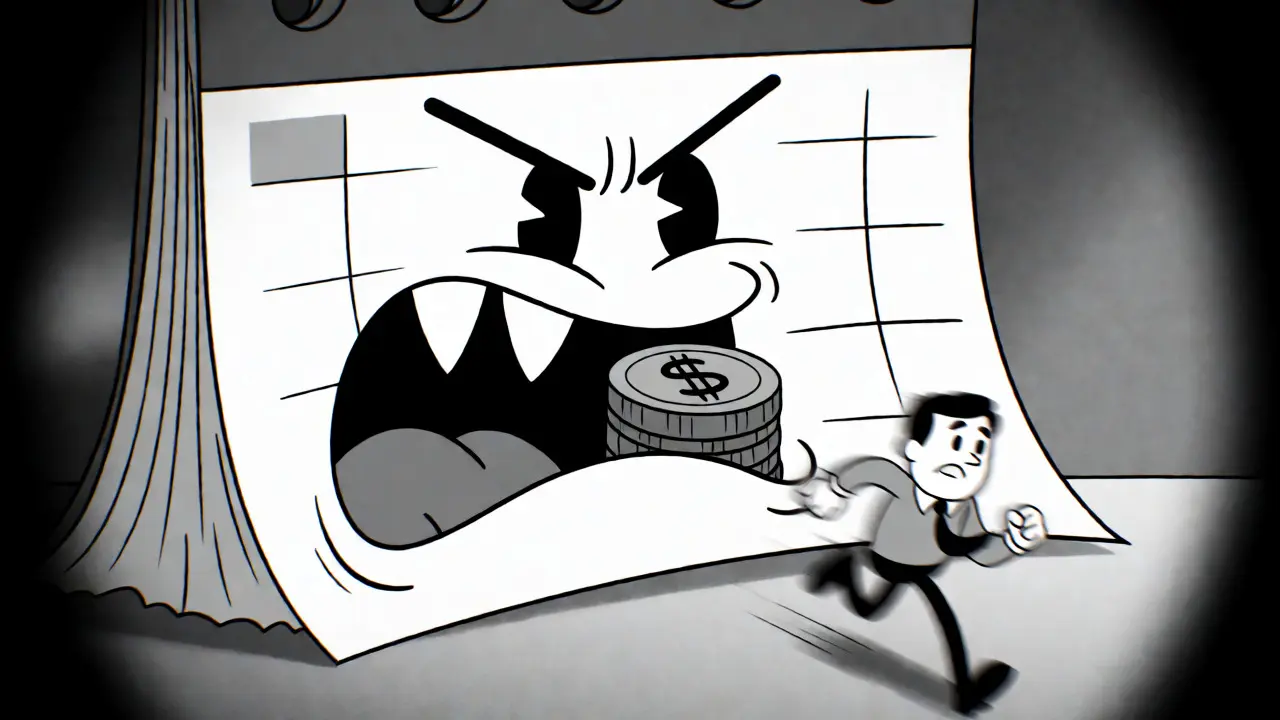
The biggest driver of accidental lock-in isn’t the initial term; it’s the auto-renewal clause. This is a provision that automatically extends your contract unless you send a specific notice within a tight window. It sounds convenient. No paperwork, no service interruption. But convenience often masks risk.
Here is the typical scenario: Your contract ends on December 31st. The vendor requires written notice 90 days prior to cancel. That means you needed to act by October 1st. Did anyone on your team mark that date? Probably not. If you miss that deadline, you are locked in for another full year-or even three more years, depending on the terms. Juro’s 2025 guide highlights that this lack of visibility leads to massive unplanned spend. Teams assume they can cancel anytime. They can’t. They are legally bound until the next renewal window opens.
This isn’t just an annoyance; it’s a legal obligation. OlenderFeldman LLP notes that failing to provide timely notice results in automatic renewal and renewed legal obligations. You can’t just stop paying. The vendor can sue you for the remaining balance. For small businesses, this surprise invoice can be devastating.
Why Vendors Push Multi-Year Deals
Vendors aren’t being malicious. They are managing their own risks. In an inflationary environment, locking in prices protects their margins. Enterprise Technology Research reports that in 2026, enterprises are signing long-term deals less because they love the product and more because they fear price hikes. It’s a defensive strategy.
If you expect your provider to raise rates by 5-10% annually, signing a fixed-price three-year deal makes sense. You hedge against inflation. GetPricePulse suggests that vendors will often offer an additional 10-15% discount plus a price lock if you agree to remove cancellation rights or pay upfront. It’s a trade-off: certainty for flexibility. The question is, which one matters more to your business right now?
| Feature | Annual/Monthly Agreement | Multi-Year Agreement (3+ Years) |
|---|---|---|
| Initial Price | Higher per unit cost | Lower per unit cost (8-14% discount) |
| Flexibility | High (can exit with short notice) | Low (locked for duration of term) |
| Price Protection | None (subject to annual increases) | High (fixed rate for term) |
| Risk Factor | Price volatility | Usage decline or tech obsolescence |
| Exit Cost | Minimal | High (early termination fees) |
Legal Red Flags to Watch For
Not all contracts are created equal. Some are fair; others are traps designed to exploit confusion. Legal experts from Clayton Utz and Sprintlaw point out specific clauses that increase lock-in risk. You need to read the fine print, specifically looking for these three things:
- Short Notice Windows: Anything less than 60 days is risky. 90 days is standard. If it’s 120 days, you’re already behind before you start.
- Strict Cancellation Methods: Does the contract require a certified letter? A fax? Or can you just email support? If it requires physical mail, track it carefully. Emails can get lost in spam folders.
- Evergreen Clauses: These renew the contract indefinitely until cancelled. Without a clear end date, you could be paying for five years when you meant to buy one.
Regulators are catching on. California Business and Professions Code §17602, enacted in 2010, was one of the first laws requiring affirmative consent for auto-renewals. Since then, states like New York and Illinois have followed suit. Class actions against companies like Hulu and Dropbox prove that consumers are tired of hidden renewals. While B2B contracts aren’t always subject to the same strict consumer protection laws, courts increasingly interpret ambiguous terms against the drafter-the vendor. If the renewal process is confusing, you might have leverage.
Negotiating Your Way Out of the Trap
You don’t have to accept the first offer. Negotiation is where you regain control. Here is a playbook for handling multi-year VoIP negotiations:
- Time It Right: Start talking 60-90 days before your current term ends. Don’t wait until the last minute. Leverage disappears once the clock runs out.
- Ask for a Rate Lock: Explicitly request a clause that caps annual price increases. Tie it to CPI (Consumer Price Index) or fix it at 0%. This turns a variable cost into a predictable one.
- Request Partial Termination Rights: Can you reduce seat counts by 10-20% mid-term without penalty? This allows for natural workforce fluctuations.
- Clarify the Exit: Define exactly what constitutes "written notice." Ensure it includes email. Make sure the address for physical notices is current.
Infogion’s 2026 negotiation playbook warns startups to avoid long-term locks entirely. If your headcount is growing fast, a fixed number of seats becomes obsolete quickly. Use shorter terms until your growth stabilizes. Once you hit steady state, then consider a longer commitment for the discount.

Managing Renewals Internally
The best contract in the world is useless if nobody knows when it expires. Juro and Contracts365 both emphasize that poor internal governance causes most lock-in pain. Do not rely on memory. Do not rely on the vendor reminding you (they won’t).
Set up a central calendar. Assign ownership. Who is responsible for reviewing the VoIP contract? Is it IT? Finance? Procurement? Pick one person. Have them set alerts for 120, 90, and 60 days before renewal. At the 90-day mark, review your usage. Are you using all those features? Could you downgrade? If you want to stay, ask for better terms. If you want to leave, start the migration process now.
This simple process prevents the "surprise renewal" nightmare. It transforms the contract from a passive burden into an active management tool. You decide whether to renew based on data, not default settings.
Frequently Asked Questions
What is considered a reasonable notice period for cancelling a multi-year VoIP contract?
Most industry standards suggest 60 to 90 days is reasonable. Shorter periods (30 days) favor the customer but are rare in large enterprise deals. Longer periods (120+ days) significantly increase lock-in risk and should be negotiated down if possible. Always check if the notice must be sent via registered mail or if email suffices.
Can I cancel a multi-year contract early if my company shrinks?
Usually, yes, but it costs money. Look for "downgrade rights" or "partial termination clauses" in your agreement. If these are missing, you may face liquidated damages-essentially paying the remaining balance of the contract. Negotiating a tiered reduction policy (e.g., allowing a 10% seat reduction without penalty) is a key tactic during the initial signing.
Are auto-renewal clauses legally enforceable in B2B contracts?
Generally, yes, provided they are clearly disclosed and conspicuous. Unlike consumer contracts, which have stricter protections under laws like California’s AB 2861, B2B contracts are viewed as negotiations between sophisticated parties. However, if the terms are ambiguous or buried in fine print, courts may rule them unenforceable or interpret them in favor of the non-drafting party.
Is a 3-year contract always cheaper than monthly billing?
Not necessarily. While the per-unit rate is lower, the total cost of ownership can be higher if you over-provision seats or pay for unused features. VendorBenchmark data shows that lock-in costs can erode the discount benefits if usage patterns change. Calculate your projected usage for the entire term before comparing the total dollar amount against flexible alternatives.
What happens if I miss the renewal notice deadline?
Your contract will automatically renew for the specified period (often another year or three). You will be legally obligated to pay for that new term. Some vendors may allow a grace period for renegotiation, but this is discretionary, not guaranteed. Always assume the deadline is hard and final.
Next Steps for Smart Buyers
Don’t let contract lock-in dictate your business strategy. Review your current VoIP and SaaS agreements today. Identify which ones have auto-renewal clauses and when they expire. If you are approaching a renewal, start the conversation now. Ask for rate locks. Demand clarity on cancellation procedures. And remember: the cheapest option on paper isn’t always the cheapest in practice. Flexibility has value. Protect it.






Jacob Baby Official
6 Sep 2026 at 23:35Oh, please. Spare me the "we got trapped" sob story. If you couldn't read a contract without needing a translator for basic business terms, that's not vendor malice; that's your own incompetence on full display. You signed it because you wanted to look like a serious buyer in front of your boss, not because you actually understood the liability. Now you're crying about "opportunity cost" when the real cost is your inability to plan? Pathetic. The market doesn't care about your feelings or your shrinking team. It cares about leverage. You gave yours away for a 15% discount that probably didn't even cover your inflation-adjusted losses. Next time, hire someone with a brain instead of just a signature pad.