

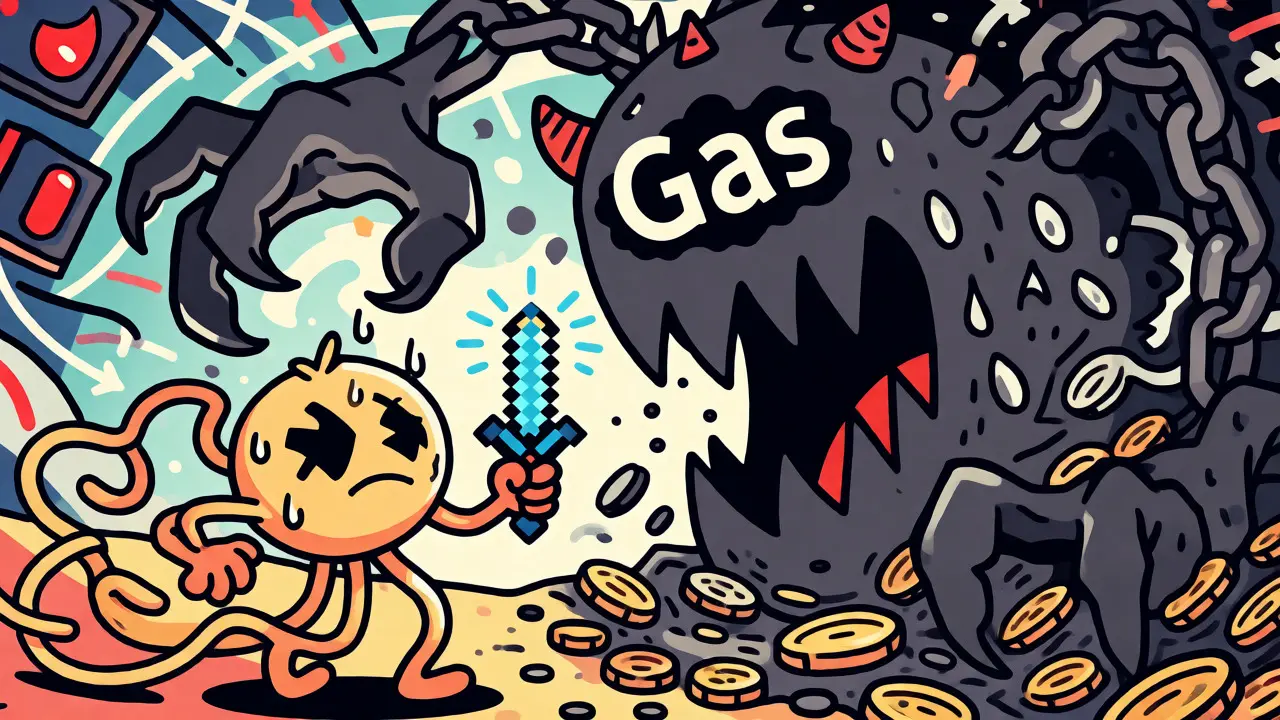

Remember when playing a blockchain game cost more in gas fees than the loot you earned? That era is effectively over. If you tried to mint a sword or trade a character on Ethereum Mainnet in 2021, you might have paid $50 for a transaction that yielded a $2 item. Today, thanks to Layer 2 scaling solutions that process transactions off the main Ethereum chain while maintaining its security, those same actions cost pennies and settle in seconds. This shift isn't just about saving money; it's about making Play-to-Earn a model where players earn crypto assets through gameplay economically viable for everyday users rather than just speculators.
But here is the catch: cheaper transactions don't automatically make a game fun. As of late 2026, the technology works, but the economics remain fragile. You need to understand how these networks operate, which ones are worth your time, and why low fees can sometimes hurt a game's economy more than they help. Let’s break down what’s actually happening under the hood and how you can navigate this new landscape without getting burned.
Why Layer 2 Changed Everything for Gamers
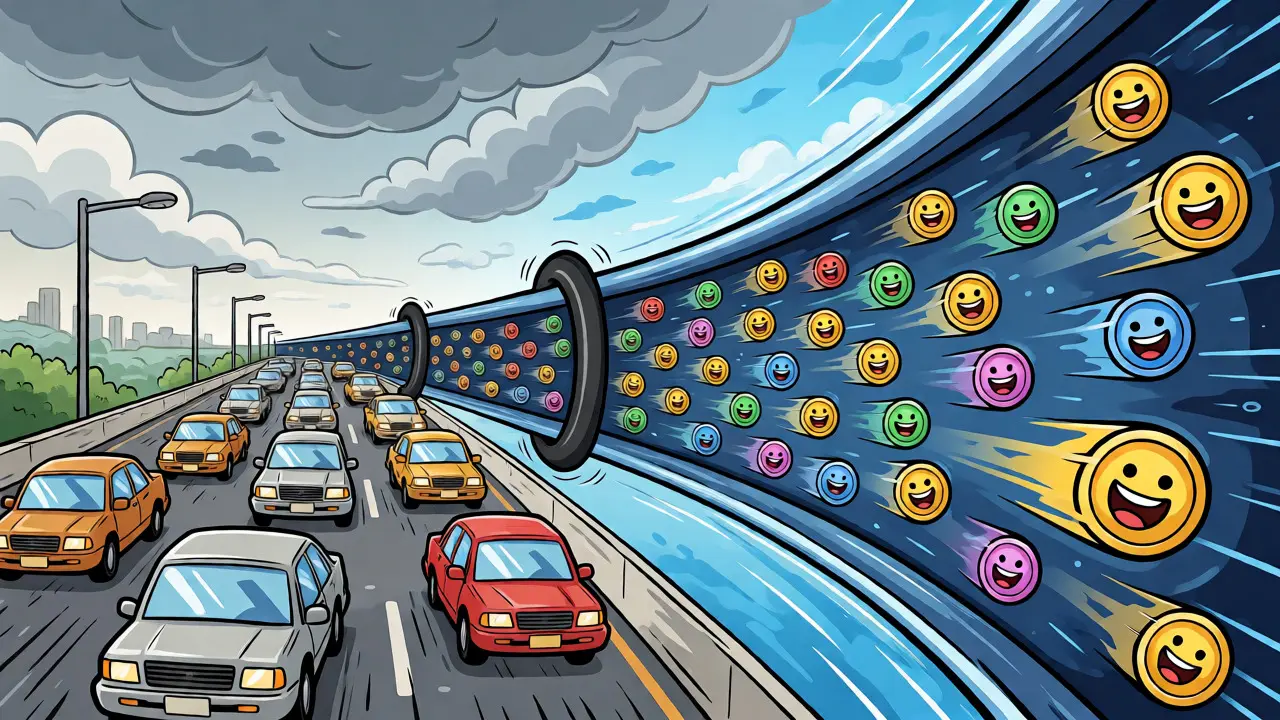
To get why this matters, you have to look at the bottleneck. Ethereum Mainnet (Layer 1) is secure but slow and expensive because every node processes every transaction. When thousands of gamers try to buy an NFT simultaneously, the network clogs up, and fees spike. Rollups technology that bundles hundreds of transactions into one batch before sending it to Ethereum solve this by moving the heavy lifting off-chain. They execute transactions on a separate layer, then send a compressed summary back to Ethereum for final settlement.
The result is dramatic. According to current Ethereum documentation, rollups are approximately 5-20 times cheaper than Layer 1. In practical terms, this means a transaction fee that used to be $10 now drops to around $0.01. For a game like Axie Infinity a popular blockchain game requiring frequent asset trading, where players might perform dozens of small actions daily, this difference is the gap between profit and loss. Without Layer 2, micro-transactions are impossible. With it, you can craft items, enter tournaments, and claim rewards without worrying if the fee exceeds the reward value.
It’s not just about cost, though. Speed matters. Competitive games need near-instant confirmation. While Ethereum Mainnet takes minutes to finalize blocks, many Layer 2 networks confirm transactions in seconds. This responsiveness makes blockchain games feel less like banking apps and more like traditional video games.
Choosing Your Network: General vs. Gaming-Specific Chains
Not all Layer 2s are created equal. You generally face two choices: general-purpose networks or chains built specifically for gaming. Each has distinct pros and cons.
Base an Ethereum Layer 2 developed by Coinbase focused on consumer applications and Arbitrum an optimistic rollup known for high throughput and developer compatibility are general-purpose giants. They benefit from massive liquidity and broad tooling support. If your favorite DeFi protocol or NFT marketplace is already there, your assets are easily portable. However, they aren’t optimized for the specific needs of gaming, such as gas sponsorship or account abstraction out of the box.
On the other hand, gaming-specific chains like Immutable zkEVM a zero-knowledge rollup designed specifically for web3 gaming with gas-free features and Ronin a sidechain launched by Sky Mavis for Axie Infinity offer tailored experiences. Immutable zkEVM, for instance, uses zero-knowledge proofs to verify transactions instantly and often sponsors gas fees for users via its passport system. Ronin, originally a sidechain, was purpose-built to handle millions of users for Axie Infinity, achieving near-zero fees and high throughput.
| Network | Type | Avg Fee | Best For | Risk Factor |
|---|---|---|---|---|
| Ethereum L1 | Mainnet | $5 - $50+ | High-value trades | Low (Security) |
| Base | Optimistic Rollup | <$0.01 | Social/Consumer games | Medium (Congestion) |
| Immutable zkEVM | ZK-Rollup | <$0.01 (often sponsored) | AAA Web3 Games | Low-Medium (New Tech) |
| Ronin | Sidechain/L2 | Near Zero | Mass-market MMOs | Medium (Bridge Security) |
The trade-off is clear. General-purpose chains offer better interoperability with the broader crypto ecosystem. Gaming-specific chains offer better user experience (UX) and performance but may lock you into a smaller ecosystem with potentially higher bridge risks.
The Hidden Cost: Why Cheap Fees Can Hurt Game Economies
Here is a counter-intuitive truth: making transactions too cheap can destabilize a game. In traditional P2E models, high fees acted as a natural brake on inflation. If minting a new token cost $5, only serious players did it. On Layer 2, if minting costs $0.01, bots and multi-account farmers can flood the market with new assets.
Recent data supports this concern. DappRadar reported that daily active wallets in blockchain gaming dropped significantly in 2025, falling from 7 million in January to under 5 million by Q3. While some of this is due to market cycles, analysts suggest it also reflects a shift away from speculative farming toward genuine gameplay. When earning becomes too easy, the value of the reward collapses. A 2024 study highlighted that token profitability strongly affects player churn; if the reward loses value because everyone is farming it, players leave.
So, when evaluating a game, look beyond the fee structure. Does the game have "sinks"-mechanisms that remove tokens from circulation? Examples include burning tokens for upgrades, paying entry fees for tournaments, or crafting rare items that consume multiple resources. Without these, cheap Layer 2 fees just accelerate inflation, turning your hard-earned loot into worthless digital dust.
Security Risks You Can’t Ignore
Faster and cheaper doesn’t always mean safer. The biggest threat in Layer 2 gaming isn’t the chain itself, but the bridges connecting it to Ethereum and other networks. Remember the Ronin Bridge hack a 2022 exploit costing approximately $625 million? Attackers compromised validator keys, stealing ETH and USDC. This wasn’t a flaw in the Layer 2 execution logic, but in the centralized management of the bridge.
As you explore new games, check their security posture. Are they using audited smart contracts? Do they rely on a few validators, or is the network decentralized? Immutable zkEVM and newer ZK-rollups generally offer stronger cryptographic guarantees than older sidechains, but no system is immune to human error or sophisticated exploits. Always start with small amounts until you trust the platform.
How to Start Playing Without the Headache
If you’re ready to jump in, don’t overcomplicate it. The best way to start is by choosing a game that handles the technical complexity for you. Look for titles integrated with wallets like Immutable Passport a custodial wallet solution that hides gas fees and private keys from users. These tools abstract away the scary parts of crypto: managing seed phrases and paying gas.
- Pick a reputable game: Stick to established studios with transparent roadmaps. Avoid projects promising guaranteed returns.
- Use embedded wallets: Platforms like Immutable or Base often provide non-custodial wallets that let you log in with email. This removes the barrier of installing MetaMask initially.
- Verify the chain: Ensure you know which network the game runs on (e.g., Base, Arbitrum, Immutable). Don’t send funds to the wrong address.
- Test with small amounts: Before buying a $100 NFT, do a $5 transaction to ensure you understand the withdrawal process.
- Check regulatory status: Depending on your location, earnings might be taxable. Consult a tax professional if you’re earning significant amounts.
The goal is to enjoy the game first. Treat any earnings as a bonus, not a salary. The most sustainable models today are "play-and-own," where you truly own your assets and can sell them if you quit, rather than "play-to-earn," where you grind solely for income.
Final Thoughts: Is It Worth Your Time?
Gaming on Layer 2 has solved the infrastructure problem. Transactions are fast, cheap, and scalable. But technology alone doesn’t create good games. The winners in this space will be developers who use these tools to enhance ownership and community, not just to mint tokens. If you’re looking for quick riches, you’ll likely be disappointed. But if you want to own your digital items, trade them freely, and participate in economies that feel real, Layer 2 gaming is finally ready for you.
Are Layer 2 fees really free?
No, they are rarely truly free. "Gas-free" usually means a third party (like the game publisher or a relayer) pays the fee for you. Underlying computational costs still exist, but they are distributed or subsidized to improve user experience.
Which Layer 2 is best for beginners?
Immutable zkEVM and Base are excellent starting points. Immutable offers strong gaming-specific tools and gas sponsorship, while Base provides seamless integration with Coinbase and a large user base, making onboarding easier for those already in the crypto ecosystem.
Is Play-to-Earn dead?
The pure "earn-first" model is struggling, but the concept of earning through gameplay is evolving. The trend is shifting toward "play-and-own," where financial incentives are secondary to entertainment. Games that prioritize fun and sustainable economies are surviving, while those relying on endless token emissions are fading.
What happens if a Layer 2 network goes down?
If a sequencer (the operator processing transactions) goes offline, you cannot send new transactions until it recovers. However, your assets remain safe on the underlying Ethereum Mainnet. Withdrawals to Layer 1 might take longer during congestion, but they are eventually processed.
Do I need to pay taxes on my gaming earnings?
In most jurisdictions, yes. Earning crypto through gameplay is often considered taxable income at the moment of receipt. Selling assets later triggers capital gains tax. Regulations vary by country, so keep detailed records of your transactions.


Write a comment