

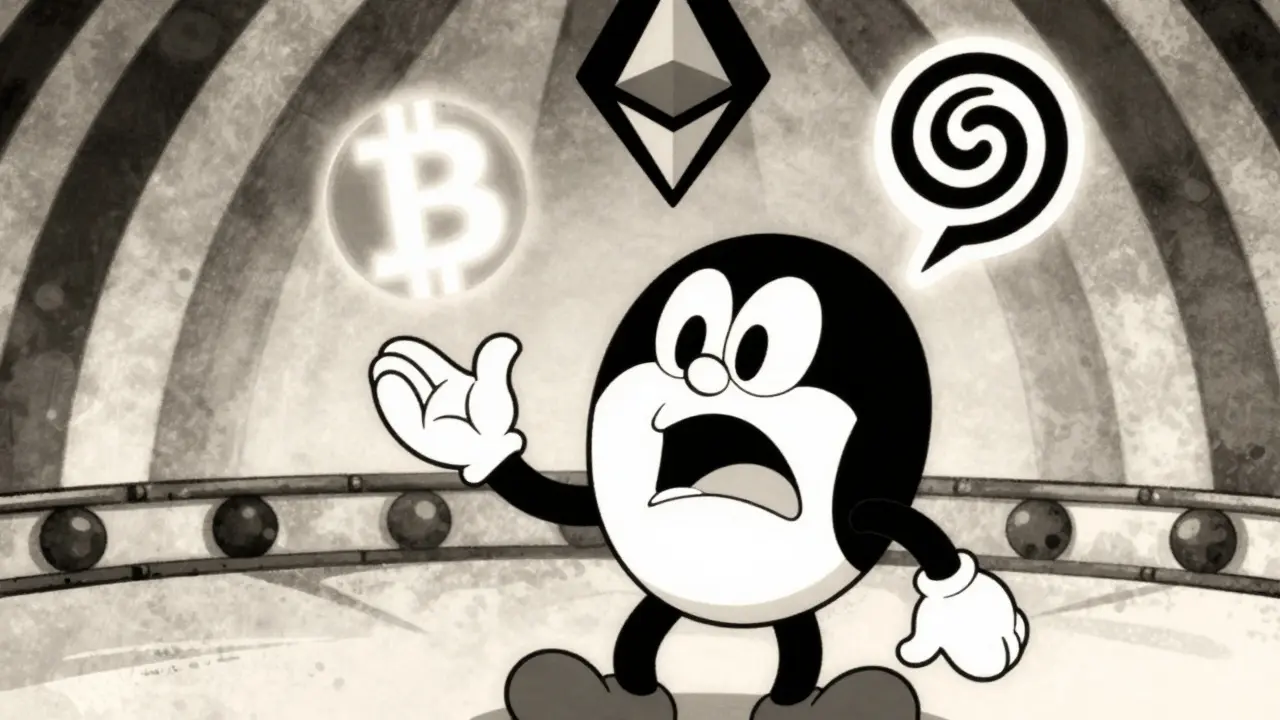

You know that feeling when you’re juggling three different apps just to check your portfolio? One for Bitcoin, another for Ethereum NFTs, and a third for that new Solana token. It’s exhausting. In 2026, the crypto landscape isn’t just about one big chain anymore. It’s a sprawling ecosystem of layer-1s, layer-2s, and appchains. If you’re still using single-chain wallets, you’re not just losing time-you’re increasing your risk.
This is where multi-chain wallets are crypto tools that allow users to store, send, and manage digital assets across multiple distinct blockchain networks from a single interface. They are the backbone of modern Web3 operations. Instead of downloading five different extensions, you get one unified dashboard. But how do they actually work, and more importantly, how do you use them without getting drained by a bad bridge?
The Core Problem: Fragmentation in Web3
Back in the early days of crypto, if you held Bitcoin, you used a Bitcoin wallet. If you bought an Ethereum NFT, you used MetaMask. Simple enough. But as the space evolved, so did the complexity. You might be yield farming on Arbitrum (an Ethereum Layer-2), holding blue-chip NFTs on Ethereum mainnet, trading meme coins on Solana, and keeping savings in Bitcoin.
Managing this with separate wallets creates operational overhead. You have to switch contexts constantly. You have to remember which private key belongs to which network. And worst of all, it creates security blind spots. A multi-chain wallet solves this by acting as a universal remote control for your entire digital asset portfolio. It doesn’t just hold keys; it understands the specific rules-consensus mechanisms, transaction formats, fee structures-of each network it supports.
How Multi-Chain Architecture Works Under the Hood
It’s not magic. It’s engineering. A multi-chain wallet like Brave Wallet is a browser-integrated crypto wallet that allows users to interact with decentralized applications across multiple blockchains through a single interface is programmed to speak multiple languages.
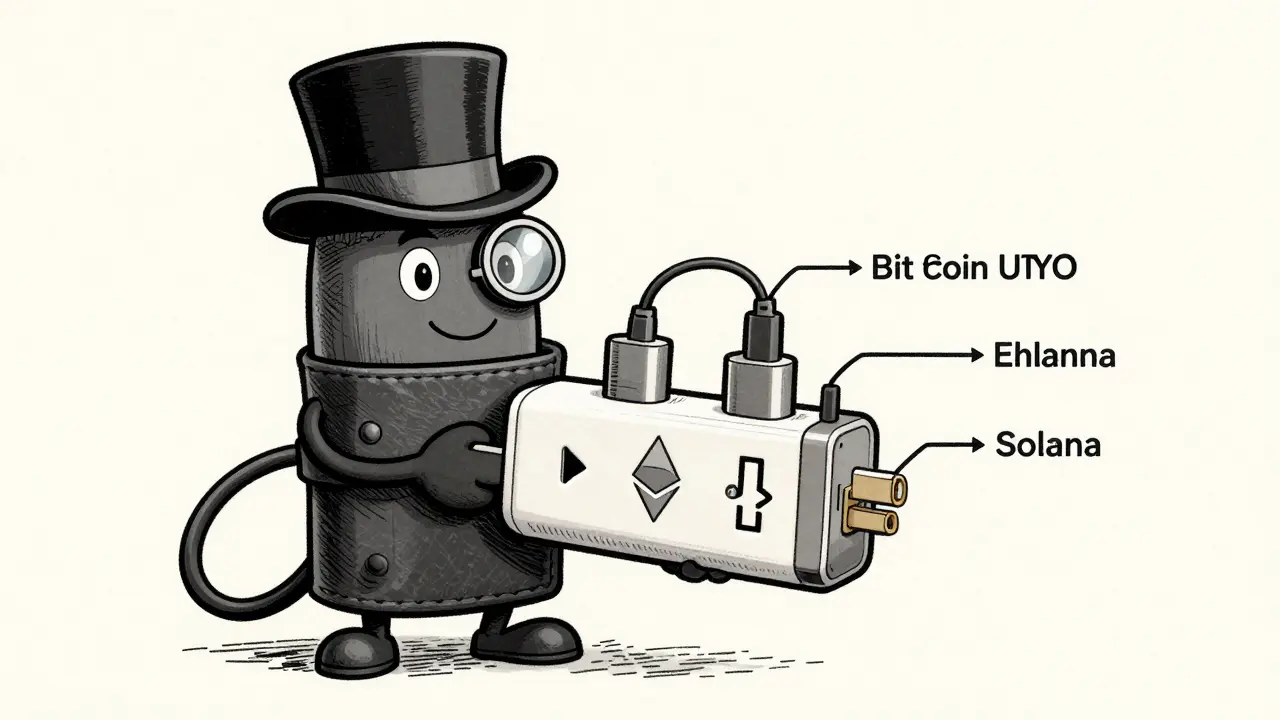
Think of it like a travel adapter. Bitcoin uses a UTXO (Unspent Transaction Output) model, while Ethereum and most other chains use an account-based model. These are fundamentally different ways of tracking who owns what. A multi-chain wallet contains the logic to build valid transactions for both. It knows that Bitcoin needs a specific signature scheme, while Ethereum requires gas limits and nonces.
Technically, these wallets integrate RPC (Remote Procedure Call) endpoints for each supported chain. When you click “send” on your multi-chain app, the software checks which network you’re on, formats the data correctly for that specific blockchain, signs it with your private key, and broadcasts it to the right nodes. This happens seamlessly behind the scenes, so you don’t have to manually configure settings every time you switch from Ethereum to Solana.
Self-Custody vs. Convenience: The Security Trade-off
Not all multi-chain wallets are created equal when it comes to security. The biggest distinction is between hot wallets (software-based) and cold wallets (hardware-based).
Ledger is a hardware wallet manufacturer that provides secure storage for private keys via physical devices, supporting over 15,000 cryptocurrencies across multiple chains through its Ledger Live software. With Ledger, your private keys never leave the physical device. Even though Ledger Live gives you a beautiful, unified view of your assets across Bitcoin, Ethereum, and beyond, the actual signing of transactions happens inside a secure element chip. This is the gold standard for long-term holdings.
On the other hand, mobile or browser-based wallets like Trust Wallet is a non-custodial mobile cryptocurrency wallet that supports thousands of tokens and multiple blockchains including Ethereum, BNB Chain, and Solana keep your keys on your phone or computer. They are incredibly convenient for daily interactions-minting NFTs, swapping tokens, connecting to DeFi apps-but they are exposed to malware and phishing attacks on your device.
For serious asset management in 2026, the best practice is often a hybrid approach. Use a hardware wallet for your “vault” (long-term savings) and a trusted hot wallet for your “daily driver” (active trading and DeFi). Many multi-chain setups allow you to connect your hardware wallet to a software interface, giving you the best of both worlds.
Multi-Chain Support vs. Cross-Chain Functionality
This is a critical distinction that trips up many users. Having a multi-chain wallet does not automatically mean you can move money between chains easily.
- Multi-Chain Support: This means the wallet can display and manage assets on different networks. You can see your ETH balance and your SOL balance in the same app. You can send ETH to another Ethereum address and SOL to a Solana address. But the wallet itself doesn’t necessarily convert ETH into SOL.
- Cross-Chain Functionality: This involves bridging or swapping assets between networks. To move value from Ethereum to Solana, you need a bridge protocol. Some wallets integrate these bridges directly into their UI, making it look like a simple transfer. Others require you to connect to an external bridge site.
Understanding this difference saves you from frustration. If you try to send USDT (Ethereum version) to a Solana address using only the wallet’s native send function, you will likely lose those funds forever. You must use a cross-chain bridge to convert the asset to the correct standard for the destination network.
| Wallet Type | Security Level | Best For | Key Feature |
|---|---|---|---|
| Hardware (e.g., Ledger) | High (Offline Keys) | Long-term Holding | Secure Element Chip |
| Browser Extension (e.g., Brave) | Medium (Device Dependent) | DApp Interaction | Integrated Browser Access |
| Mobile App (e.g., Trust Wallet) | Medium (Device Dependent) | On-the-go Trading | User-Friendly Mobile UI |
Strategic Asset Management: Don’t Just Hoard Chains
Just because you can access 50 chains doesn’t mean you should. Operational hygiene is the secret weapon of successful crypto investors. Coca.xyz, a leading resource on multi-chain strategies, recommends starting with intent. Pick 2-3 target networks based on what you actually do.
Maybe you use Ethereum for high-value NFTs, Arbitrum for low-cost DeFi yields, and Bitcoin for savings. Stick to that plan. Spreading yourself too thin increases the chance of human error. Label your wallets by purpose, not just by chain. Name one “ETH-L2-Trading” and another “Cold-LongTerm.” This reduces context switching and prevents you from accidentally approving a malicious contract on your main vault wallet.
Essential Security Practices for Multi-Chain Users
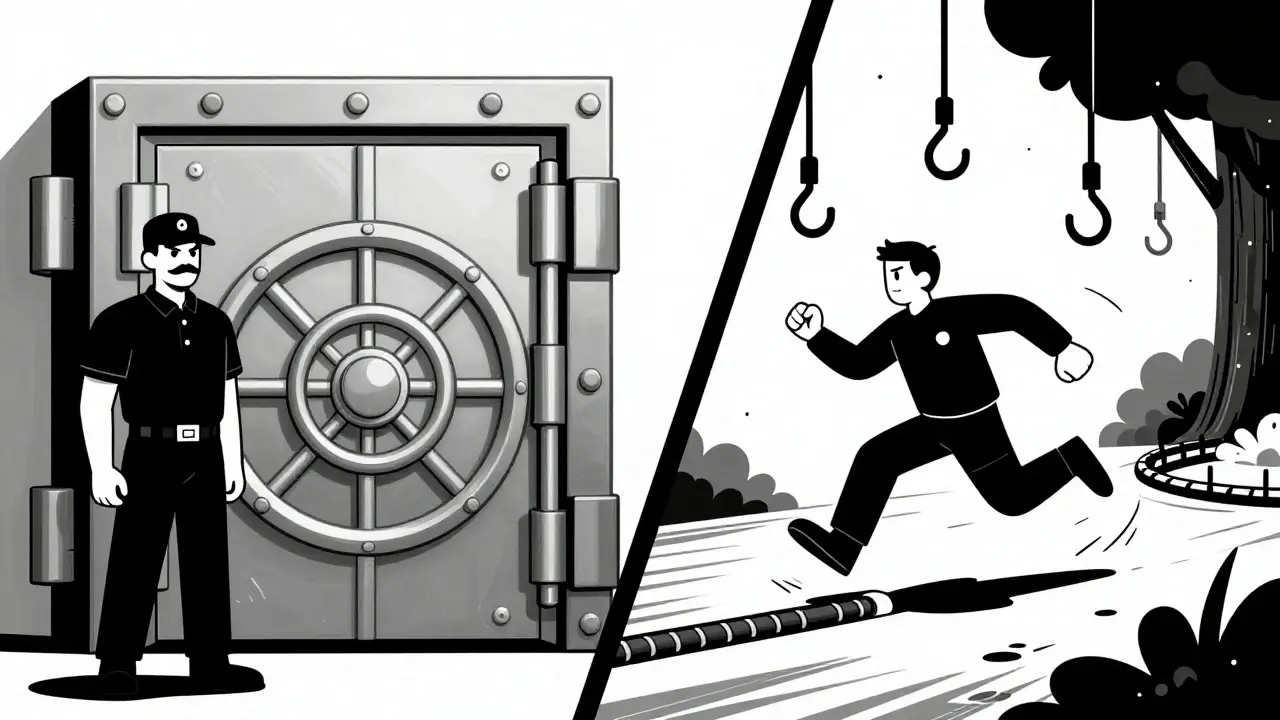
With great power comes great responsibility. Managing multiple networks expands your attack surface. Here are non-negotiable rules for 2026:
- Never Screenshot Seed Phrases: Store your recovery phrases offline. Use metal plates or fireproof bags. Digital copies are vulnerable to cloud hacks and malware.
- Use Watch-Only Views: Monitor your balances across chains using read-only addresses or portfolio trackers. This lets you see your total net worth without exposing your spending keys to unnecessary connections.
- The $5 Test Rule: Before moving large amounts across a new bridge or network, send a tiny test transaction (around $5). Confirm it arrives correctly before sending the rest. This catches wrong network errors and scam bridges.
- Revoke Stale Approvals: Every time you interact with a DeFi app, you grant it permission to spend your tokens. Over time, these permissions pile up. Regularly revoke unused approvals using tools like Revoke.cash or built-in wallet features.
- Bookmark Official Sites: Phishing sites mimic legitimate bridges and DApps. Always navigate to known URLs via bookmarks, never search results.
The Future: Automation and Interoperability
We are moving toward a future where multi-chain management is even smoother. Institutional platforms like Fireblocks are introducing automation engines that trigger actions based on policies-like automatically sweeping excess funds from a trading wallet back to a cold vault. For retail users, we’ll see more seamless abstraction layers where the wallet handles the complex bridging logic entirely in the background.
However, the core principle remains: you are the bank. Understanding how your multi-chain wallet works, knowing which chains you trust, and maintaining strict security hygiene will determine whether you thrive in the multichain era or become a statistic.
What is the safest multi-chain wallet for beginners?
For beginners prioritizing security, a hardware wallet like Ledger combined with its Ledger Live software is often recommended. It keeps private keys offline while providing a user-friendly interface to manage assets across thousands of tokens and multiple chains. For those wanting ease of use without hardware, Trust Wallet or Brave Wallet offer strong multi-chain support with intuitive mobile or browser interfaces.
Can I lose my funds if I use a multi-chain wallet?
Yes, risks exist primarily from user error and smart contract vulnerabilities. Sending assets to the wrong network address or using a compromised bridge can lead to permanent loss. Additionally, if you use a hot wallet and your device is infected with malware, attackers may steal your keys. Using hardware wallets for significant holdings and verifying all transaction details mitigates these risks.
Do multi-chain wallets charge higher fees?
The wallet software itself usually doesn't charge extra fees for being multi-chain. However, you still pay the native network gas fees for each transaction. Cross-chain transfers (bridging) may involve additional fees charged by the bridge protocol or liquidity providers. Always check the estimated cost before confirming any cross-chain operation.
How do I back up a multi-chain wallet?
Most non-custodial multi-chain wallets generate a single seed phrase (usually 12 or 24 words) that restores access to all your accounts across all supported chains. Write this phrase down on paper or metal and store it in a secure, offline location. Never share it digitally. Some advanced users also use Shamir Secret Sharing to split the backup into multiple parts for enhanced security.
Is it better to use one multi-chain wallet or several single-chain wallets?
For most users, one well-managed multi-chain wallet is more efficient and less prone to oversight than managing multiple single-chain apps. It provides a unified view of your portfolio and simplifies key management. However, some advanced users prefer separating wallets by function (e.g., one for DeFi, one for NFTs) to limit exposure if one wallet interacts with a malicious contract.






Joe Walters
3 Jun 2026 at 03:29oh my god another article telling me to use a wallet like i dont already know this. its so obvious to anyone who actually pays attention that single chain wallets are for normies and peasants.
i mean seriously, if you cant figure out how to manage your keys across networks by now you should just stick to buying stocks or whatever boring shit normal people do. the multichain ecosystem is evolving at light speed and if you are still using metamask for everything you are basically leaving money on the table.
but sure, keep reading these basic guides while i am over here leveraging layer 2 arbitrage opportunities on chains you have never even heard of. it is almost tragic how slow some people are. i spent hours last week optimizing my gas fees on base and optimism and it feels amazing knowing i am ahead of the curve.
you guys need to wake up and smell the decentralized coffee because the future is here and it is not waiting for you to finish your tutorial. stop being lazy and start learning proper asset allocation strategies before you get rugged by some scam token. i am tired of seeing newbies lose their shirts because they didnt read the whitepaper.
anyway, i guess this post is fine for absolute beginners but honestly it is barely scratching the surface of what real degens do daily. we are building empires while you are trying to figure out which app to download. pathetic.