

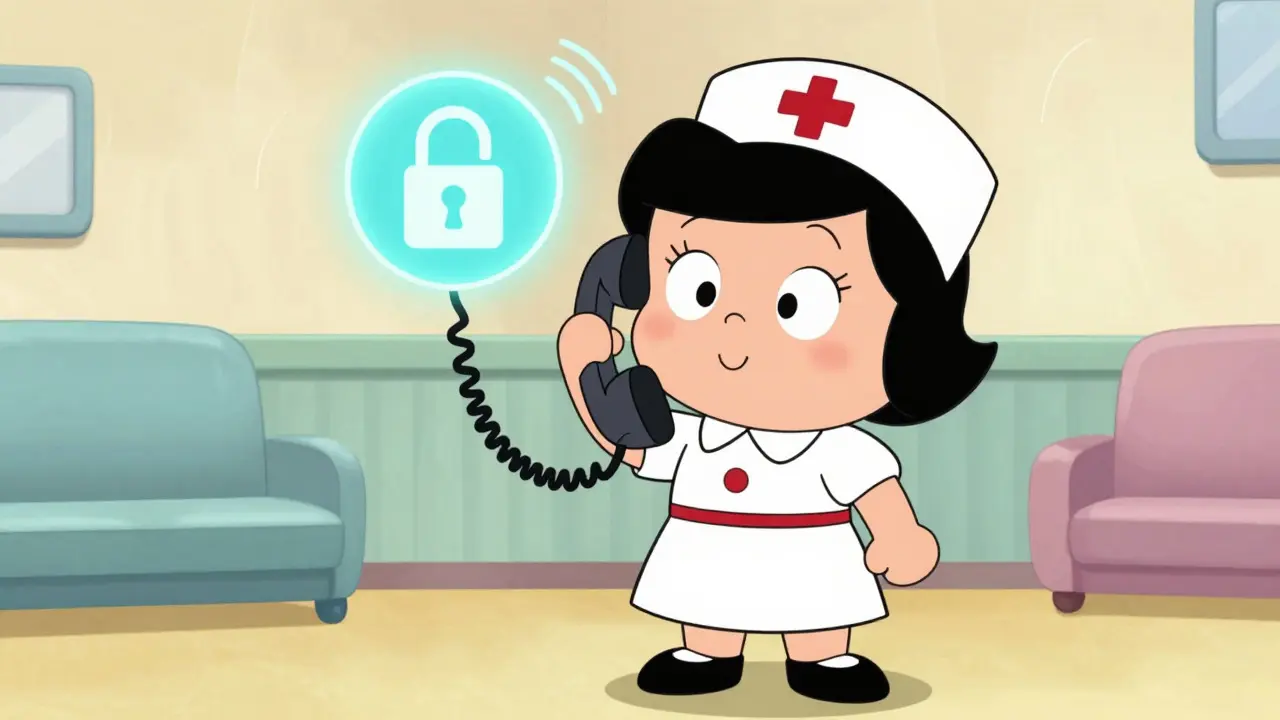

Picture this: a nurse in a busy clinic takes a call from a patient about sensitive lab results. The conversation is clear, the connection is instant, but somewhere in the cloud, that data needs to be locked down tight. This is where Voice over Internet Protocol (VoIP) meets strict healthcare regulations. For medical professionals, switching to internet-based phone systems isn't just about saving money on long-distance calls; it is a critical decision regarding patient privacy and legal liability.
You might wonder if your current phone system is safe enough to discuss Protected Health Information (PHI). The short answer? It depends entirely on how you configure it and who you hire to host it. In 2026, the line between a standard business phone and a HIPAA-compliant VoIP systemdesigned specifically for healthcare environments is defined by encryption standards, access controls, and one non-negotiable piece of paper: the Business Associate Agreement (BAA).
What Makes VoIP HIPAA-Compliant?
Let's clear up a common myth right away: VoIP technology itself is neither compliant nor non-compliant. It is a tool. A hammer can build a house or break a window; similarly, VoIP can securely transmit patient data or leak it across the internet. The compliance comes from the safeguards you implement around that tool.
To be considered HIPAA-readymeeting the specific security requirements set by the Health Insurance Portability and Accountability Act, a VoIP provider must offer technical controls that align with the Security Rule enacted in 1996 and updated over the years. These controls ensure that when you talk about a diagnosis, treatment plan, or insurance details, that information stays private.
Think of it like sending a sealed envelope versus an open postcard. Standard consumer VoIP services often operate like postcards-anyone handling the mail (or the network packets) can read what’s written. A compliant system seals that envelope with military-grade encryption and ensures only the intended recipient has the key to open it.
The Non-Negotiable: Business Associate Agreements (BAAs)
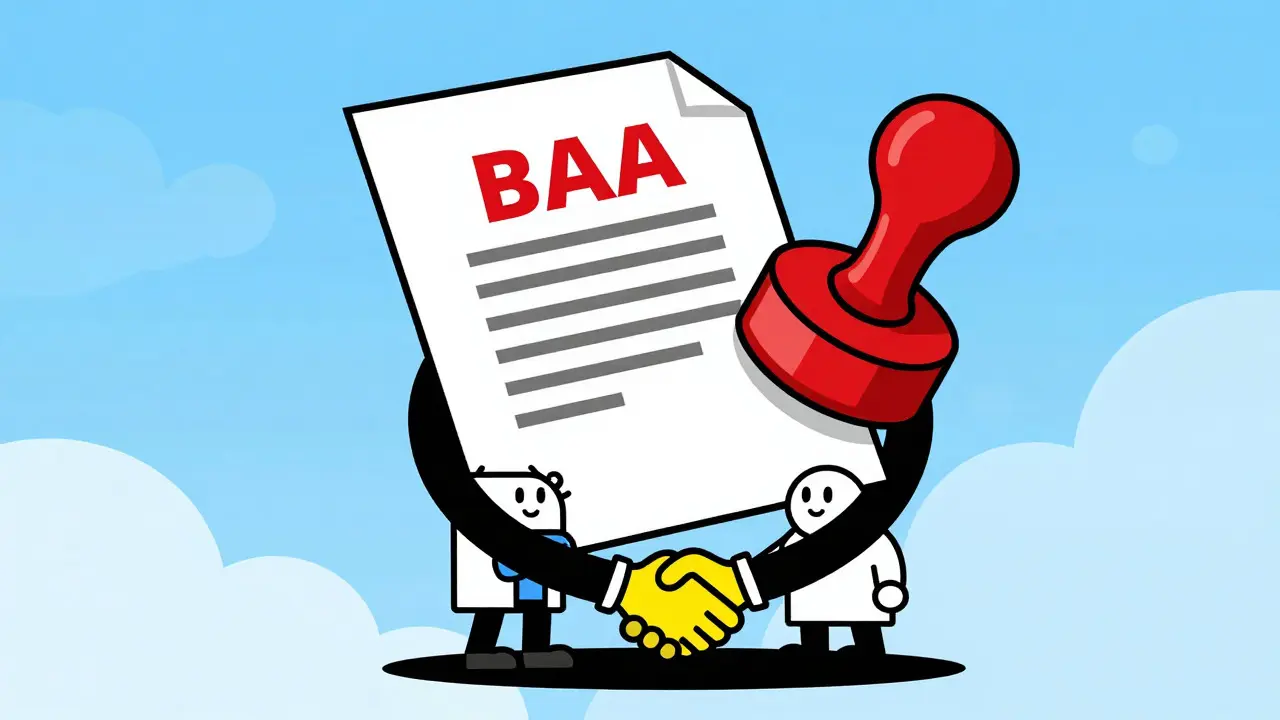
If you are going to use VoIP for patient communication, you cannot skip this step. A Business Associate Agreement (BAA)a legally binding contract between a covered entity and a vendor handling PHI is the foundation of your compliance strategy. Without a signed BAA, no amount of encryption will save you from a violation if a breach occurs.
Here is why the BAA matters so much:
- Legal Responsibility: It formally designates your VoIP provider as a "business associate" under HIPAA law. This means they are legally obligated to protect the data they handle on your behalf.
- Breach Notification: The contract dictates how quickly the provider must notify you if they suspect a security incident involving patient data.
- Data Usage Limits: It restricts the vendor from using your patients' data for marketing, AI training, or any purpose other than providing the service you paid for.
Many major providers, such as RingCentral, Dialpad, and Nextiva, offer BAAs. However, note that signing the BAA is often tied to specific enterprise plans or add-ons. You must verify that your specific subscription tier includes this contractual protection before you start dialing.
Technical Safeguards: Encryption and Access Control
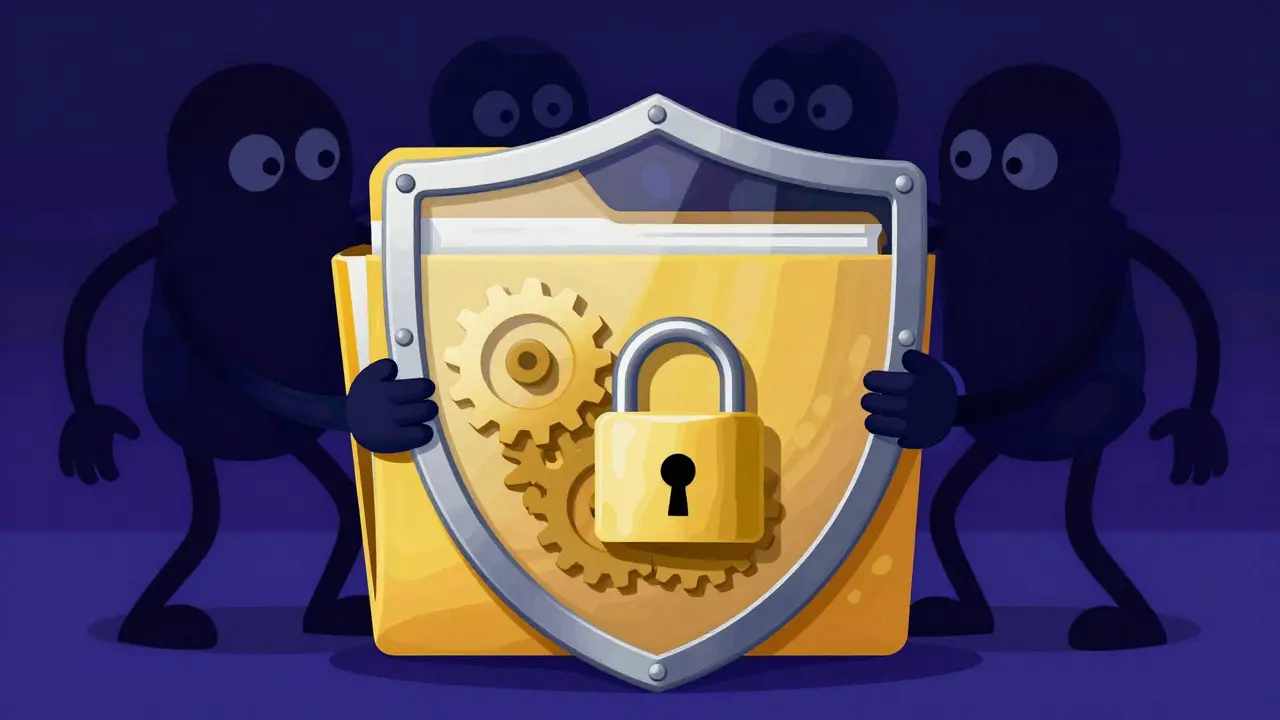
A BAA gives you legal recourse, but technical safeguards prevent the breach in the first place. When evaluating a VoIP platform for your clinic or hospital, look for these specific attributes.
| Safeguard Type | Specific Requirement | Why It Matters |
|---|---|---|
| Encryption in Transit | TLS 1.2+ for signaling; SRTP for media | Prevents hackers from intercepting calls as they travel over the internet. |
| Encryption at Rest | AES-256 for stored data | Protects voicemails, call recordings, and transcripts sitting on servers. |
| Access Control | Role-Based Access Control (RBAC) and MFA | Ensures only authorized staff can access specific patient communications. |
| Audit Trails | Immutable logs of all activity | Allows you to track who accessed PHI, when, and what they did. |
Let's break down the encryption protocols. Transport Layer Security (TLS)an cryptographic protocol designed to provide communications security over a computer network secures the signaling-the part of the call that tells the network where to send the voice data. Secure Real-Time Transport Protocol (SRTP)a profile of RTP used to provide encryption, authentication, and replay protection for real-time traffic encrypts the actual audio stream. If your provider uses older versions of TLS or lacks SRTP, your calls are vulnerable to eavesdropping.
Equally important is how data is stored. Voicemails and call recordings contain PHI. They must be encrypted at rest using algorithms like AES-256. This ensures that even if a server is physically stolen or hacked, the data remains unreadable garbage without the decryption keys.
Managing User Access and Audit Logs
In a healthcare setting, not everyone needs to hear every call. The receptionist doesn't need to listen to a psychiatrist's session notes left in voicemail. This is where Role-Based Access Control (RBAC) becomes vital.
Your VoIP system should allow you to create granular permissions. You can assign roles such as "Front Desk," "Nurse Practitioner," or "Administrator." Each role gets access only to the features and data necessary for their job. Combine this with Multi-Factor Authentication (MFA), and you drastically reduce the risk of unauthorized access via stolen passwords.
Then there are audit trails. HIPAA requires you to know who touched your patient data. A compliant VoIP system generates immutable logs-records that cannot be altered or deleted without detection. These logs should capture:
- Who made or received a call.
- When a voicemail was listened to.
- Who exported call recordings.
- Any changes made to administrative settings.
Regularly reviewing these logs isn't just good practice; it's a requirement for demonstrating compliance during an audit.
Enhancing Patient Communication Securely
Once your security foundation is solid, you can leverage VoIP to improve patient care. Modern healthcare communication goes beyond simple voice calls. It includes SMS messaging, video consultations, and integration with Electronic Health Records (EHR).
Secure Messaging: Traditional SMS is generally not HIPAA-compliant because it lacks encryption and delivery receipts. However, many VoIP platforms offer secure messaging apps that function like text messages but run through encrypted channels. Patients can message their doctor directly from a branded app, knowing their history is safe.
EHR Integration: Imagine a scenario where a patient calls in. Your VoIP system pops up their record on your screen automatically. This "screen pop" feature saves time and reduces errors. But remember: the integration itself must be secure. Ensure the API connecting your VoIP to your EHR also adheres to HIPAA standards.
Telehealth Support: With the rise of remote care, VoIP platforms now include high-definition video conferencing. These sessions must support end-to-end encryption to protect visual PHI, such as seeing a rash or a surgical site during a consultation.
Common Pitfalls to Avoid
Even with the best tools, human error can lead to violations. Here are three common mistakes healthcare organizations make with VoIP:
- Using Personal Devices Without Controls: Allowing staff to use personal smartphones for work calls without Mobile Device Management (MDM) software can expose PHI. If a phone is lost, who has access to the voicemail? Implement containerization or MDM to wipe work data remotely.
- Ignoring Voicemail Security: Leaving default PINs on voicemail boxes is a huge risk. Require strong, unique PINs for every user and enforce regular password changes.
- Failing to De-Provision Staff: When an employee leaves, their access must be revoked immediately. Lingering accounts are a primary source of data breaches.
Choosing the Right Provider in 2026
The market for healthcare VoIP is competitive. Providers like RingCentral, Dialpad, Nextiva, and specialized players like PanTerra Networks offer robust solutions. When comparing them, don't just look at the price per user. Look at the total cost of compliance.
Ask yourself:
- Do they sign a BAA for my specific plan?
- Do they offer HITRUST or SOC 2 certifications?
- Is their infrastructure hosted in regions with favorable data sovereignty laws?
- Do they provide dedicated support for healthcare clients?
For small practices, budget-friendly options exist, but never compromise on the BAA. For large hospital systems, scalability and integration capabilities with existing legacy systems become the priority.
Is standard VoIP HIPAA compliant?
No, standard consumer VoIP is rarely HIPAA compliant. It usually lacks the necessary encryption standards (like SRTP), audit logging, and most importantly, the Business Associate Agreement (BAA) required by law to handle Protected Health Information (PHI).
What happens if I use VoIP without a BAA?
Using VoIP to discuss patient information without a signed BAA is a direct violation of HIPAA regulations. If a breach occurs, your organization could face significant fines ranging from $100 to $50,000 per violation, plus potential legal action from affected patients.
Can I use WhatsApp or standard SMS for patient updates?
Generally, no. Standard SMS and consumer apps like WhatsApp do not offer the level of control, encryption, and auditability required for HIPAA compliance unless integrated into a secure, managed healthcare platform with a BAA in place. Always use dedicated secure messaging features within your VoIP solution.
How often should I review my VoIP security settings?
You should conduct a comprehensive security review at least annually. Additionally, review access logs quarterly and update user permissions immediately whenever staff roles change or employees leave the organization.
Does encryption alone guarantee HIPAA compliance?
No. Encryption is a critical technical safeguard, but compliance is holistic. You also need administrative safeguards (like staff training), physical safeguards (secure devices), and contractual safeguards (the BAA). Missing any component can result in non-compliance.






Write a comment