

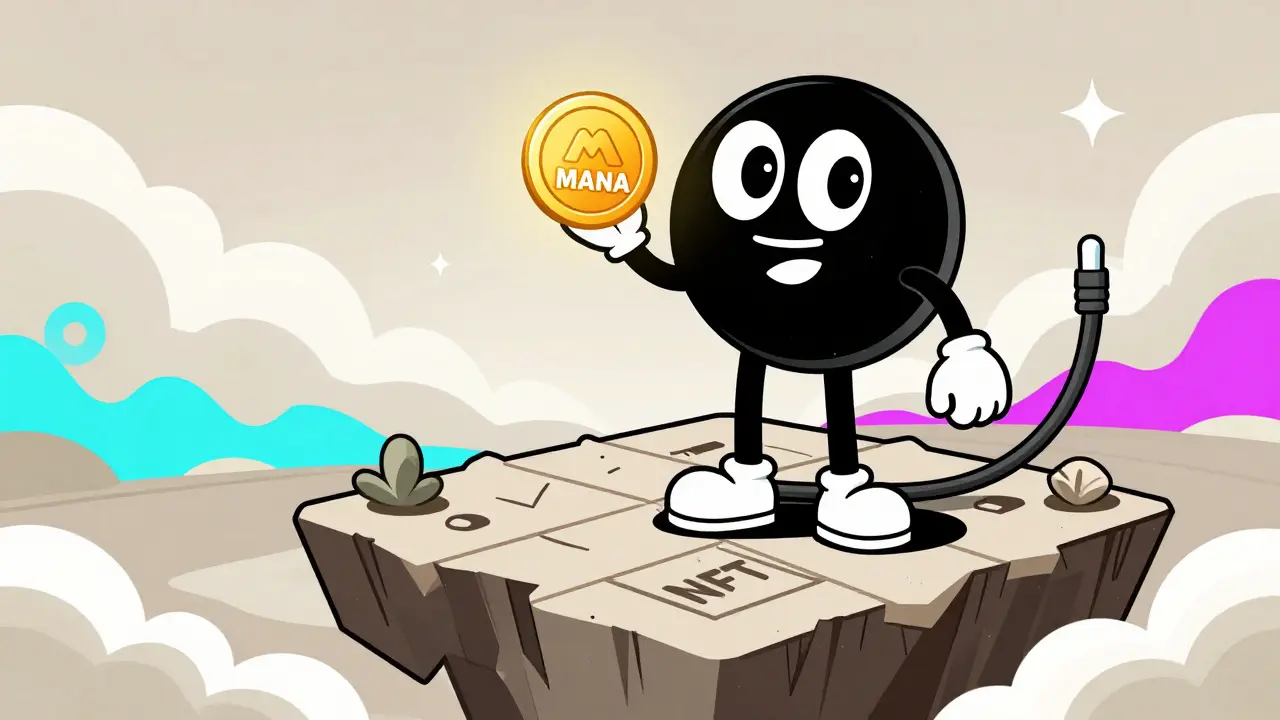

Imagine buying a plot of land you can never physically visit, wearing a jacket made of code, and getting paid in a currency that doesn't exist in any bank vault. This isn't science fiction anymore; it is the daily reality for millions of users navigating metaverse economies, which are decentralized financial ecosystems within virtual worlds powered by blockchain technology, cryptocurrencies, and non-fungible tokens (NFTs). While the concept of a shared virtual space was popularized by Neal Stephenson's 1992 novel "Snow Crash," the economic layer we see today only became possible after the launch of Bitcoin in 2009 and Ethereum in 2015.
The core promise of these systems is simple but radical: true ownership. In traditional online games or social platforms, your assets belong to the company. If they shut down, your items vanish. In a crypto-enabled metaverse, your digital property is recorded on a public ledger. You own it. You can sell it, rent it, or use it as collateral without asking permission from a central authority. This shift has created entirely new markets for virtual real estate, digital fashion, and on-chain commerce.
How Digital Property Works in Virtual Worlds
At the heart of the metaverse economy is the concept of digital scarcity enforced by code. Unlike physical land, which is limited by geography, virtual land is limited by design. Platforms like Decentraland is a decentralized virtual world where users can buy, build, and monetize experiences using LAND parcels represented as NFTs and The Sandbox is a user-generated platform where players create, own, and monetize gaming experiences in a virtual universe using voxel-based assets have fixed supplies of land parcels. Decentraland has exactly 90,601 plots, while The Sandbox offers 166,464. These plots are minted as Non-Fungible Tokens (NFTs), typically following the ERC-721 standard on the Ethereum blockchain.
This technical structure means that when you buy a parcel, you receive a unique token ID linked to your wallet address. This record is immutable and transparent. Anyone can verify your ownership on the blockchain explorer. During the peak of the 2021 hype cycle, this model led to massive transactions. For instance, Metaverse Group purchased an estate in Decentraland for 618,000 MANA, worth approximately $2.43 million at the time. Similarly, Republic Realm spent about $4.3 million on land in The Sandbox. These weren't just speculative bets; they were strategic moves by brands to establish presence in emerging digital districts.
However, value in these economies isn't just about holding land. It's about utility. Owners develop their plots into galleries, casinos, concert venues, or brand experiences. The revenue generated from these activities-whether through ticket sales, advertising, or in-world purchases-flows back to the landowner. This creates a self-sustaining loop where development drives foot traffic, which increases land value, which incentivizes further development.
The Role of Avatars and Wearables
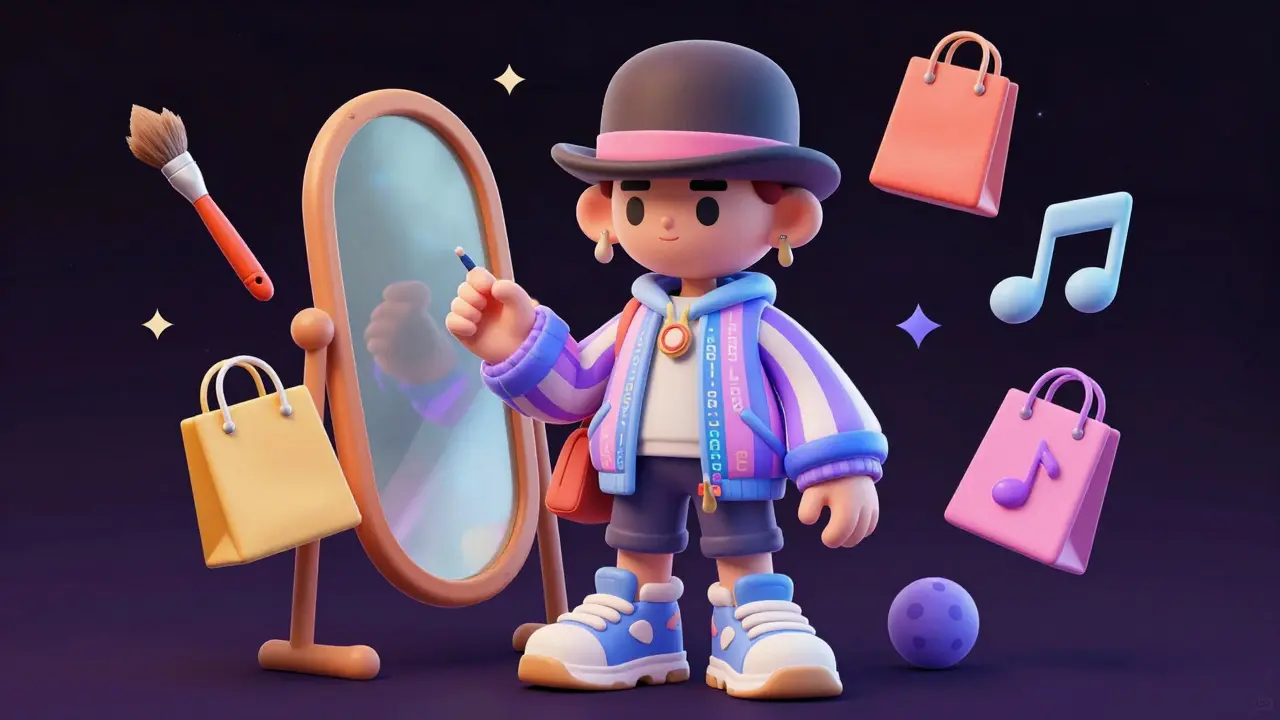
If land is the foundation, avatars and wearables are the culture. Your avatar is more than just a visual representation; it is a portable identity that can carry status, history, and wealth across different virtual environments. Just like physical fashion, digital clothing serves as a signal of affiliation, creativity, and purchasing power.
In the metaverse, wearables are also NFTs. A designer might mint a limited edition of 100 virtual jackets. Because the supply is hard-coded into the smart contract, no one can counterfeit them. When you buy one, you own that specific instance of the asset. This has given rise to a booming creator economy where independent artists earn royalties every time their designs are resold on secondary markets. Platforms often enforce royalty fees ranging from 2.5% to 10%, ensuring creators benefit from the appreciation of their work.
Major brands have taken notice. Fashion houses like Gucci and Nike have launched virtual stores and exclusive digital collections. Why? Because Gen Z and Alpha consumers spend significant amounts of time online. According to data cited by WisdomTree in 2022, annual spending on virtual goods already exceeded $50 billion globally. Owning a rare digital skin in a game or a branded outfit in a social metaverse provides social capital that translates directly into community standing.
On-Chain Commerce and Native Tokens
For any economy to function, it needs a medium of exchange. In the metaverse, this role is filled by native fungible tokens. These are cryptocurrencies designed specifically for use within a particular ecosystem. For example, MANA is the native cryptocurrency of Decentraland used for purchasing land, paying for services, and participating in governance is used in Decentraland, SAND is the utility token of The Sandbox ecosystem facilitating transactions and staking rewards powers The Sandbox, and AXS is the governance and utility token for Axie Infinity, enabling staking and reward distribution drives Axie Infinity. These tokens are usually ERC-20 compliant, meaning they can be easily transferred between wallets and traded on major exchanges like Binance or Coinbase.
On-chain commerce refers to all transactions that occur via smart contracts on the blockchain. This includes:
- Primary Sales: Initial offerings of land or assets directly from the platform.
- Secondary Markets: Peer-to-peer trading of used assets, where sellers set their own prices.
- Service Payments: Paying for entry to events, consulting, or custom content creation.
- Governance: Using tokens to vote on protocol upgrades or treasury allocations.
What makes this system powerful is its composability. Your MANA isn't stuck inside Decentraland. You can move it to a decentralized finance (DeFi) protocol to earn interest, use it to trade for other cryptocurrencies, or even borrow against it. This liquidity connects the metaverse economy to the broader global financial system, allowing value to flow freely rather than being trapped in walled gardens.
Crypto vs. Centralized Virtual Economies
It is important to distinguish crypto-metaverses from established platforms like Roblox or Fortnite. Both feature virtual economies, but they operate on fundamentally different principles.
| Feature | Centralized (e.g., Roblox, Fortnite) | Decentralized (e.g., Decentraland, The Sandbox) |
|---|---|---|
| Ownership | Licenses granted by the platform; revocable at any time. | True ownership via NFTs; verifiable on blockchain. |
| Currency | Closed-loop virtual currency (Robux, V-Bucks). | Open cryptocurrencies (ETH, MANA, SAND) tradable externally. |
| Interoperability | Assets locked within the platform ecosystem. | Assets can potentially move between compatible platforms. |
| Monetization | Platform takes large cuts; cash-out options limited. | Creators keep majority of profits; direct peer-to-peer sales. |
| User Base | Massive scale (millions of daily active users). | Niche but growing (tens to hundreds of thousands). |
Centralized platforms offer superior performance, smoother user experiences, and massive audiences. Roblox reported over 47 million daily active users in late 2021. However, if Roblox changes its terms of service, your assets could lose value or disappear overnight. In contrast, decentralized platforms prioritize sovereignty over convenience. You control your keys, so you control your assets. But this comes with higher barriers to entry, including managing wallets, understanding gas fees, and dealing with slower transaction speeds.
Challenges and Risks in Metaverse Finance
Despite the potential, the sector faces significant hurdles. The most immediate issue is volatility. Between 2021 and 2022, many metaverse tokens dropped by 80-90% from their all-time highs. Land prices followed suit, with average sale values in some projects plummeting. This speculation-heavy phase has left many early investors frustrated and skeptical about long-term utility.
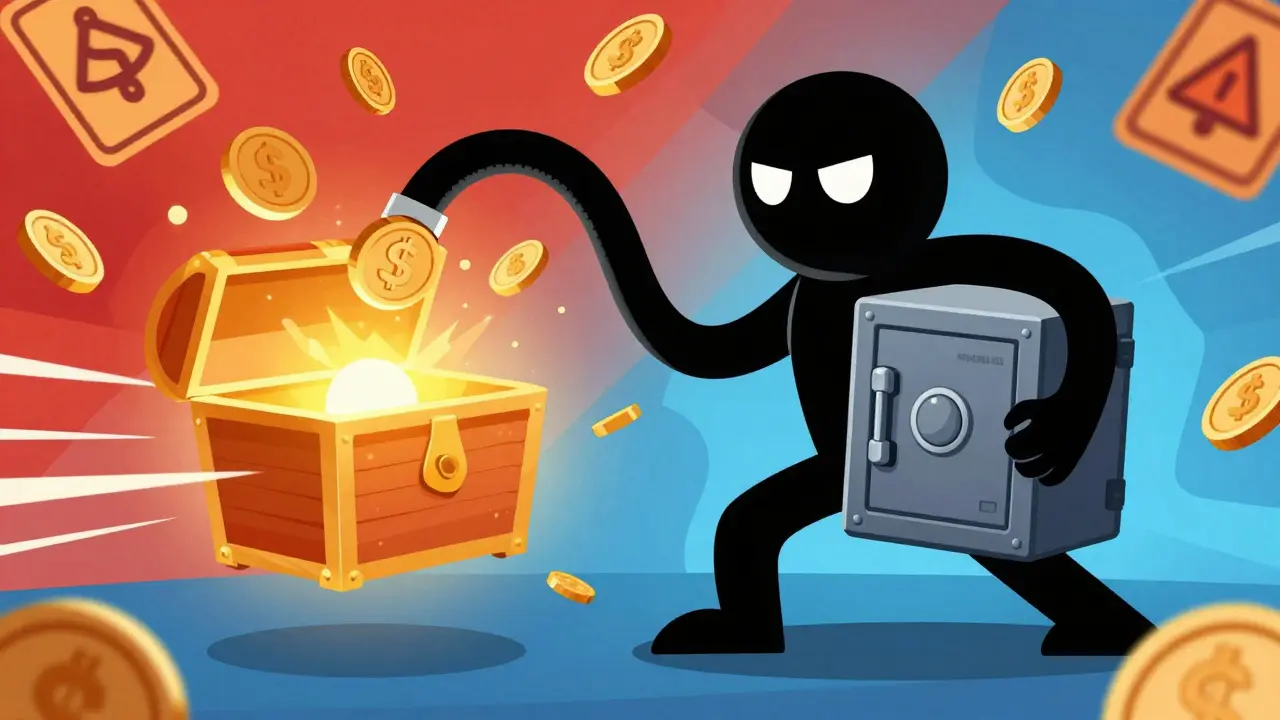
Security is another major concern. Smart contracts are only as secure as the code behind them. Bugs can lead to exploits, as seen in the 2022 Ronin Bridge hack, where hackers stole approximately $620 million in ETH and USDC. Additionally, phishing scams targeting wallet holders remain rampant. Users must exercise extreme caution, using hardware wallets like Ledger for cold storage and verifying URLs before connecting their funds.
Regulatory uncertainty also looms large. Governments are still figuring out how to classify these assets. Are NFTs securities? Is play-to-earn income taxable? The Bank for International Settlements (BIS) has warned that without proper regulation, metaverse economies could face issues related to money laundering, consumer protection, and financial stability. As the industry matures, expect clearer guidelines, particularly around Know Your Customer (KYC) requirements for high-value transactions.
Getting Started: A Practical Guide
If you want to participate in the metaverse economy, here is a step-by-step approach to doing so safely:
- Set Up a Wallet: Download a reputable web3 wallet like MetaMask for Ethereum-based chains or Phantom for Solana. Secure your seed phrase offline. Never share it with anyone.
- Acquire Cryptocurrency: Buy ETH or USDC on a regulated exchange like Coinbase or Binance. Transfer these funds to your personal wallet.
- Choose a Platform: Research which metaverse aligns with your interests. Do you prefer socializing (Decentraland), gaming (Axie Infinity), or creative building (The Sandbox)?
- Bridge Assets if Necessary: Some platforms use sidechains like Polygon or Ronin for lower fees. Use official bridges to move your assets securely.
- Start Small: Before buying expensive land, try purchasing affordable wearables or engaging in free activities. Learn how the interface works and understand the community dynamics.
- Verify Contracts: Only interact with official marketplaces and verified smart contracts. Check addresses on Etherscan or similar block explorers.
Remember, the learning curve can be steep. Don't rush into large investments until you are comfortable with the technology. Join community Discord servers and Reddit forums to ask questions and learn from experienced users.
The Future of On-Chain Commerce
Looking ahead, the convergence of augmented reality (AR), artificial intelligence (AI), and blockchain will likely reshape these economies. Interoperability remains the holy grail-being able to take your avatar and assets seamlessly from one world to another. Initiatives like the Metaverse Standards Forum are working on open protocols to make this possible.
Furthermore, as central banks explore Central Bank Digital Currencies (CBDCs), we may see stablecoins becoming the dominant payment method in virtual worlds, reducing volatility while maintaining the benefits of instant, borderless transactions. The metaverse economy is still in its infancy, comparable to the early internet in the mid-1990s. While bubbles will burst and failures will occur, the underlying infrastructure for digital ownership and decentralized commerce is here to stay. For those willing to navigate the complexities, the opportunities to create, invest, and innovate are unprecedented.
What is the difference between an NFT and a cryptocurrency in the metaverse?
Cryptocurrencies like MANA or SAND are fungible, meaning each unit is identical and interchangeable, serving as currency for payments. NFTs are non-fungible, meaning each token is unique and represents ownership of a specific asset like land, an avatar, or a wearable item. You use crypto to buy NFTs, but you cannot swap one NFT for another of equal value automatically because their utilities and rarities differ.
Is investing in virtual real estate safe?
Investing in virtual real estate carries high risk due to market volatility and speculative nature. Prices can fluctuate wildly based on crypto market trends and platform adoption rates. Unlike physical real estate, virtual land has no intrinsic utility outside its specific ecosystem. Always conduct thorough research, start with small amounts, and never invest money you cannot afford to lose.
How do I earn money in the metaverse?
There are several ways to earn: creating and selling digital art or wearables as NFTs, developing experiences on owned land and charging entry fees, playing play-to-earn games that reward tokens for gameplay, providing services like 3D modeling or event hosting, and trading assets on secondary markets for profit. Success depends on skill, market timing, and community engagement.
Can I transfer my avatar between different metaverse platforms?
Currently, full interoperability is limited. Most avatars are tied to specific platforms due to differing technical standards. However, initiatives like the Metaverse Standards Forum and open formats like glTF are working toward universal compatibility. Some cross-platform projects allow basic profile linking, but seamless asset movement is not yet widespread.
What happens if a metaverse platform shuts down?
In centralized platforms, you likely lose access to your assets permanently. In decentralized, blockchain-based metaverses, your NFTs remain in your wallet. While the specific virtual environment may disappear, the underlying token representing your asset still exists on the blockchain. Its value may drop significantly if there is no demand, but you retain legal and technical ownership of the token itself.


Write a comment