

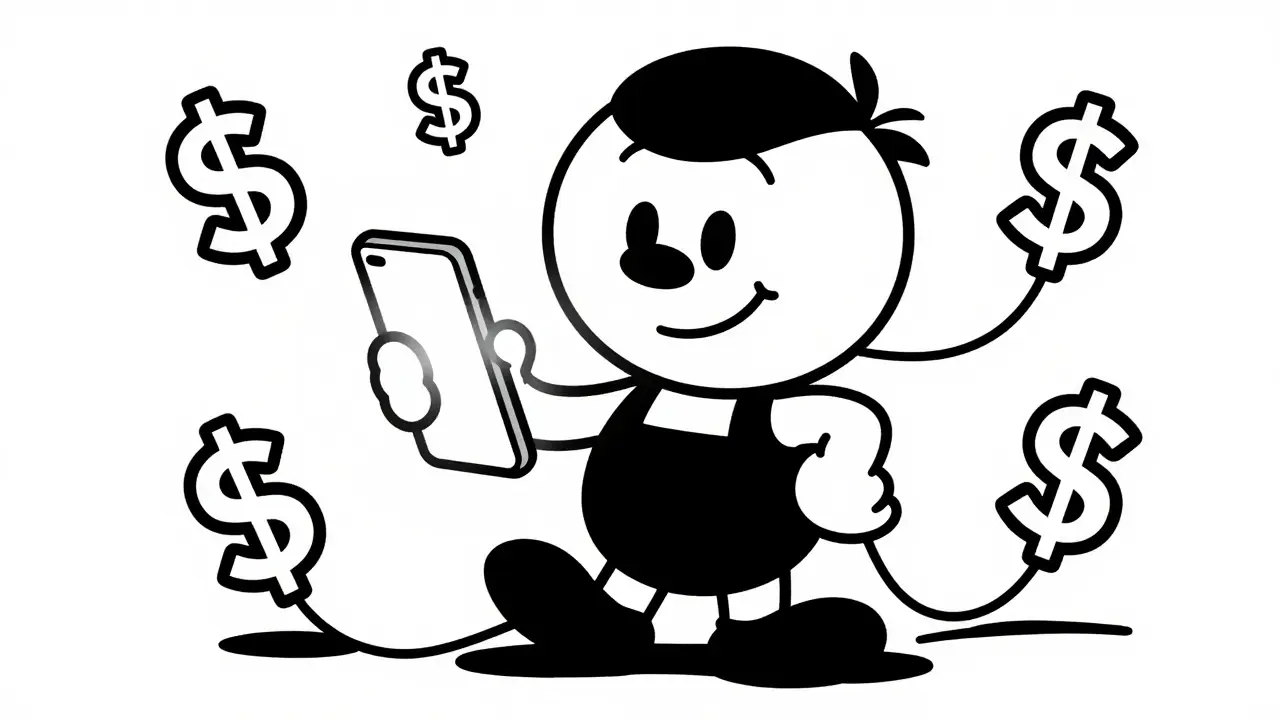

You see a glowing review for a new skincare brand on Instagram. It feels personal, authentic, like advice from a friend. But what if that 'friend' was paid $500 to post it? What if they received free products worth hundreds of dollars? This is the world of paid shills and covert promotional campaigns where individuals are compensated to present marketing messages as independent opinions. It’s not just about influencers anymore. It happens in politics, online forums, and even in medical research through Key Opinion Leaders (KOLs). The result? You make decisions based on lies.
We call this practice astroturfing, which comes from the brand AstroTurf synthetic grass because it looks real but isn't natural. Whether it’s a fake grassroots political movement or a doctor pushing a drug they’re paid to promote, the core problem is the same: a hidden conflict of interest. When you can’t tell who is paying for an opinion, trust breaks down. And in 2026, with AI-generated content and sophisticated persona management software, spotting these conflicts is harder than ever.
The Anatomy of a Paid Shill Campaign
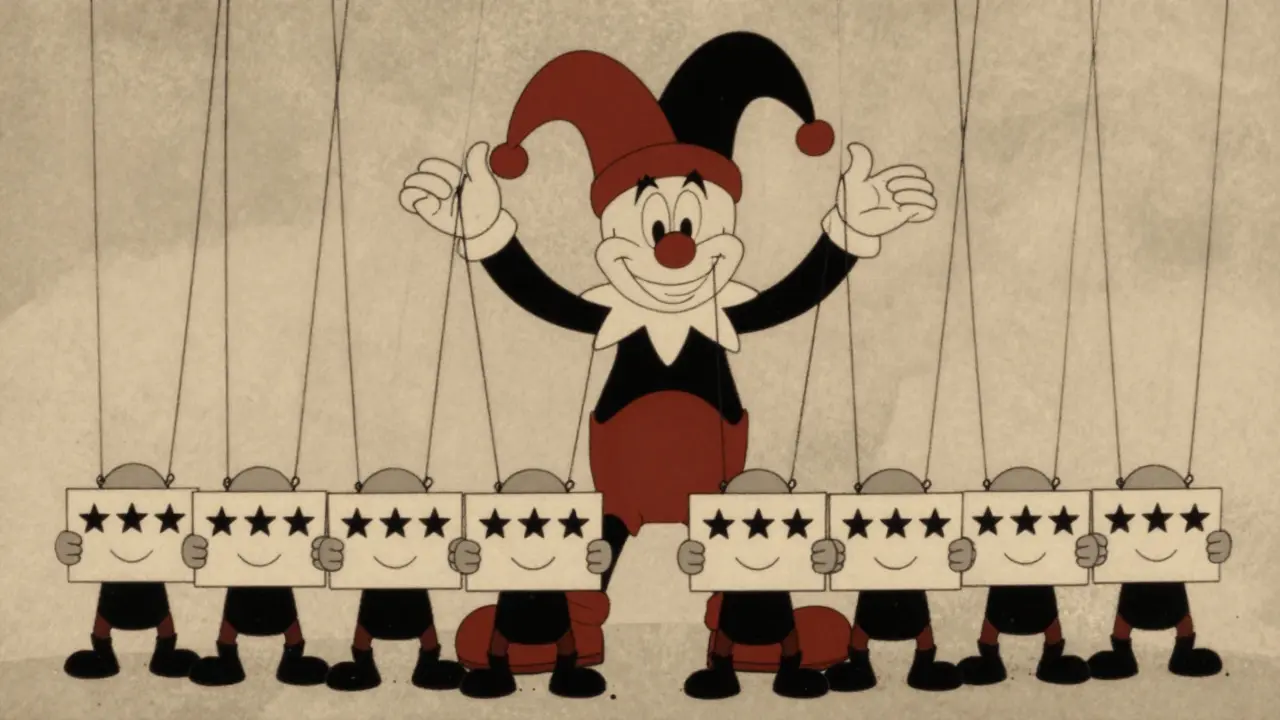
Let’s break down how paid shilling actually works behind the scenes. It’s rarely one person posting one comment. It’s usually an organized effort designed to create the illusion of widespread support. In commercial contexts, companies hire bloggers or social media accounts to review products while pretending they have no connection to the brand. On platforms like Reddit or Pinterest, they might use sock-puppet accounts-fake identities created solely to boost a specific narrative.
The economics here are stark. Encyclopedic records show that businesses selling fake online book reviews charged exactly $999 for 50 reviews and generated around $28,000 per month shortly after launching. That’s a massive incentive to distort public perception. To scale this, operators use persona management software that allows a single paid commentator to control between 5 and 70 distinct online personas. Imagine one person writing dozens of unique-sounding comments across a forum, all praising the same product. To you, it looks like a consensus. In reality, it’s a solo act.
This isn’t limited to consumer goods. In political spheres, the stakes are higher. We’ve seen reports of paid online commentators earning small amounts per post to push pro-government messaging, leading to nicknames like the “50-cent party” in China. In the US, public relations consultants have been cited charging between $25 and $75 for each constituent persuaded to send a letter to a politician. They are manufacturing grassroots support one dollar at a time.
KOL Promotions: When Experts Have Agendas
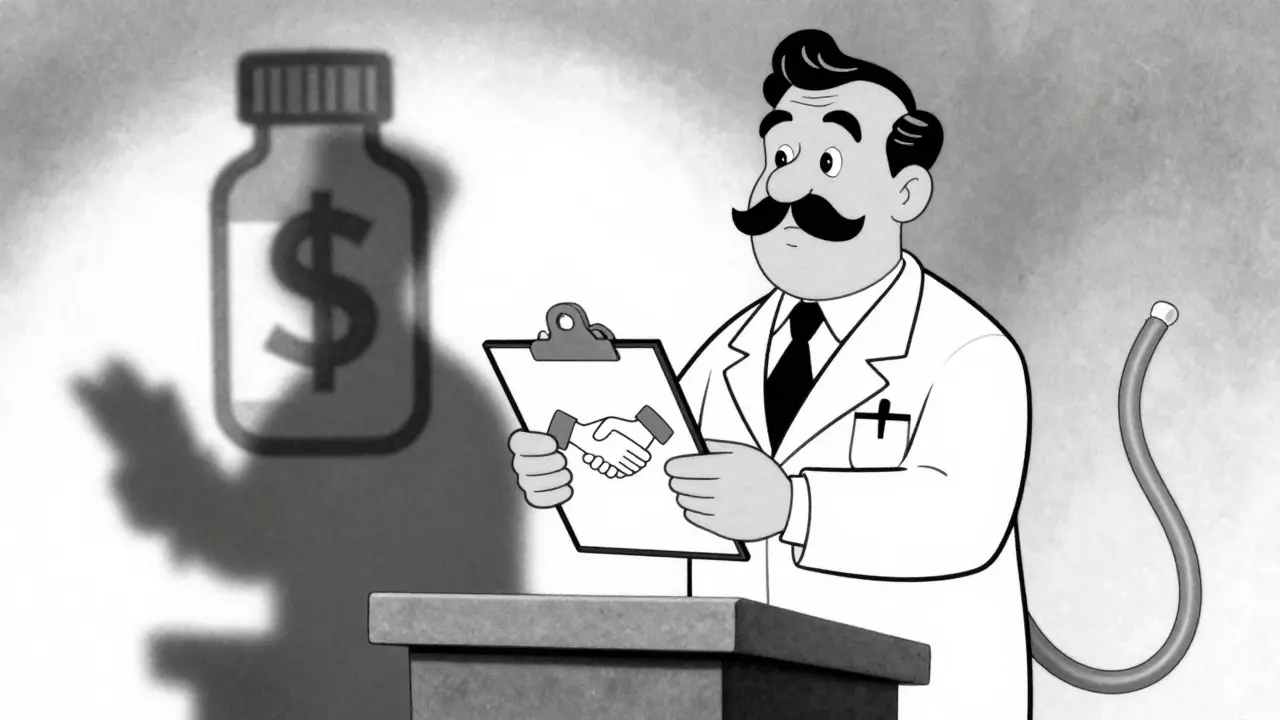
Now let’s look at a more subtle form of paid shilling: Key Opinion Leader (KOL) promotions, particularly in healthcare. Here, pharmaceutical companies don’t just buy ads; they pay influential physicians or researchers to shape prescribing decisions and guideline adoption. These doctors are respected by their peers. When they speak, other doctors listen.
The conflict arises when those KOLs receive significant financial benefits from the companies whose drugs they discuss. A 2015 analysis in Oxford University Press publications noted that pharma companies use KOLs as intermediaries to influence prescribers. One KOL can affect dozens or hundreds of doctors within a specialty. If that KOL has a consulting contract or receives speaker fees from Drug Company X, their recommendation for Drug X is no longer purely scientific-it’s commercial.
A critical perspective published in Nature Rheumatology in November 2020 highlighted that authors with financial ties to industry may systematically influence trial design parameters and interpretation thresholds. This means the very evidence doctors rely on could be skewed before it ever reaches a journal. Furthermore, data from PharmExec indicates that companies often engage the same KOL for 3 to 7 different departments simultaneously. So, one doctor might be promoting multiple products from the same corporation, multiplying the scope of potential bias.
Does this mean every KOL is corrupt? No. But it means you need to check their disclosures. A 2024 study emphasized that financial relationships can directly shape prescribing behavior in markets worth billions. As patients or clinicians, we must ask: Who paid for this study? Who funded this conference talk?
Red Flags: How to Spot Astroturfing Online
You don’t need to be a detective to spot paid shills. You just need to look for patterns. Here are the most common red flags that indicate a conflict of interest is hiding in plain sight:
- Identical Phrasing: If you see 10+ comments using the exact same unusual phrases or talking points, it’s likely coordinated. Organic users write differently.
- Burst Activity: A sudden spike in positive reviews within a 24-72 hour window for a niche product is suspicious. Real word-of-mouth grows slowly.
- New Accounts: Check the profiles. Are they brand new? Do they have no history outside of praising this one brand? Sock-puppets often lack depth.
- Overly Polished Language: Regular customers complain about shipping or mention minor flaws. Paid shills sound like press releases. If a review reads like marketing copy, it probably is.
- Missing Disclosures: On social media, look for #ad, #sponsored, or “Paid Partnership” tags. If they’re missing, or buried deep in the caption, assume there’s a conflict.
In 2025, a LinkedIn analysis tracked a B2B company maintaining dozens of sock-puppet accounts on Reddit. These accounts didn’t just post; they upvoted each other, gave awards, and embedded discount codes. It was a fake ecosystem designed to look like community enthusiasm. If you see a thread where everyone agrees too perfectly, pause and dig deeper.
The Rules: FTC Disclosure Guidelines
So, what’s legal? In the United States, the Federal Trade Commission (FTC) sets the standard. Their Endorsement Guides state that any material connection between an endorser and a marketer must be disclosed clearly and conspicuously. A material connection includes payments, free products, discounts, commissions, or family relationships.
The key phrase is “clear and conspicuous.” According to guidance updated in 2023 and interpreted in 2024-2026 compliance resources, a disclosure hidden after several lines of text or below a “view more” button is not enough. It must be hard to miss. For video content, verbal disclosures are required. For images, clear hashtags like #advertisement work best.
Why does this matter? Because without disclosure, you cannot evaluate the bias. If I give you a five-star review of a blender because I love smoothies, that’s useful. If I give it five stars because I was paid $1,000, that’s advertising disguised as opinion. The FTC requires transparency so you can decide how much weight to give that opinion.
| Feature | Organic Review | Paid Shill / Astroturf |
|---|---|---|
| Tone | Mixed (pros and cons) | Overly positive, perfect |
| Language | Casual, unique style | Polished, repetitive, marketing-like |
| Timing | Spread out over time | Bursts of activity in short windows |
| Profile History | Diverse interests, long-term | New account, focused only on brand |
| Disclosure | N/A (no payment) | Often missing or hidden |
Protecting Yourself from Manipulation
Recognizing these conflicts is your first line of defense. Here is a practical checklist for navigating paid promotions in 2026:
- Check the Bio and Links: Does the influencer have a “Sponsorships” page? Do they disclose past partnerships?
- Read the Comments: Ignore the top post. Look at the replies. Are people asking questions? Are there dissenting voices? Or is it just bots agreeing?
- Verify Medical Claims: If a doctor recommends a treatment, check their conflict-of-interest statement in the article footer or conference program. Look for funding sources.
- Use Third-Party Sources: Don’t rely on one platform. Cross-reference reviews on independent sites that verify purchases.
- Report Suspicious Activity: Platforms are improving detection. Reporting coordinated inauthentic behavior helps clean up the ecosystem.
As we move forward, regulatory pressure is increasing. The FTC is cracking down on undisclosed endorsements. Meanwhile, tools for detecting astroturfing are getting smarter. But until then, skepticism is your best tool. If something feels too good to be true, or if everyone seems to agree too quickly, look for the money. It’s always there.
What is the difference between an influencer and a paid shill?
An influencer openly discloses their relationship with brands, using tags like #ad or #sponsored. A paid shill hides this relationship, presenting sponsored content as an independent, unbiased opinion to deceive the audience.
Is astroturfing illegal?
Astroturfing itself is a tactic, but failing to disclose material connections in advertising violates FTC guidelines in the US. Deceptive practices that mislead consumers can lead to fines and legal action against both the brand and the promoter.
How do KOLs influence medical decisions?
Key Opinion Leaders (KOLs) are respected doctors or researchers who speak at conferences and publish studies. When they have financial ties to pharmaceutical companies, they can subtly shape trial designs, interpret data favorably, and persuade peers to prescribe certain drugs, affecting patient care.
What counts as a material connection under FTC rules?
A material connection includes any benefit that could affect the credibility of the endorsement. This covers cash payments, free products, discounted rates, employment, family relationships, and commission-based earnings.
Can I trust online reviews if they are verified purchases?
Verified purchase badges help, but they don’t guarantee honesty. Paid shills can still buy products to leave fake reviews. Look for detailed, balanced feedback rather than generic praise, and check for patterns of identical language across multiple reviews.



Write a comment