

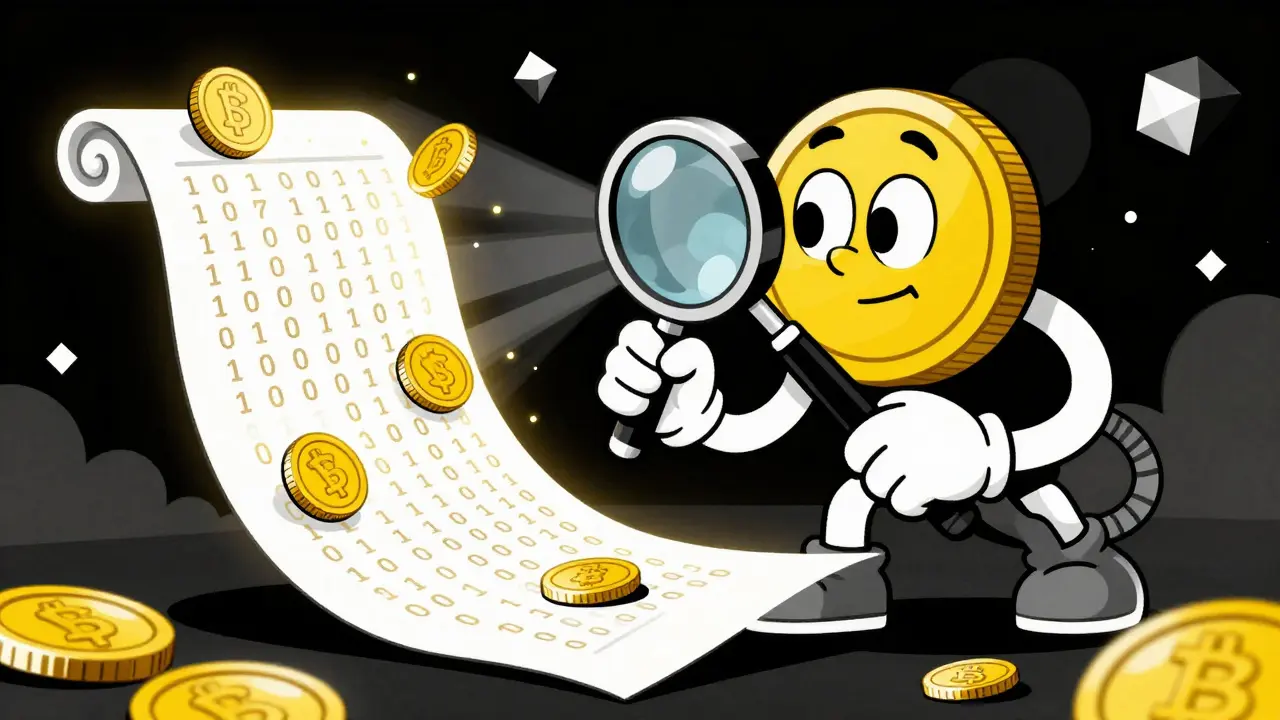

Price charts can lie. A token might be pumping in value, but if you look under the hood, nobody is actually using the network. That's the danger of relying solely on technical analysis. To really understand if an altcoin has a future or if it's just a speculative bubble, you need to look at the ledger. on-chain metrics are the raw, unfiltered truth of a blockchain; they tell you exactly who is moving money, how much is being locked up, and whether the "community" is actually active or just a collection of bots.
If you've ever wondered why a coin's price drops despite "positive news," the answer is usually hidden in the on-chain data. By tracking the flow of assets and the cost of doing business on a network, you can spot whale accumulation before the crowd does or detect a dying ecosystem long before the price hits zero. Here is how to actually use this data to make better decisions.
The Growth Engine: Tracking Active Addresses
Think of Active Addresses as the "daily active users" (DAU) metric for a cryptocurrency. An active address is simply a unique wallet that sent or received a transaction during a specific window. If a project claims to be revolutionizing finance but its active address count is flatlining, you have a problem.
When you see a steady climb in active addresses, it usually signals organic adoption. It means more people are interacting with the protocol, whether they are swapping tokens, minting NFTs, or providing liquidity. The real magic happens when you compare this to price action. If the price is climbing but active addresses are dropping, you're likely looking at a speculative bubble driven by a few large players rather than genuine utility.
For those analyzing newer altcoins, keep an eye on the ratio of active addresses to total supply. A network with a few thousand highly active wallets is often healthier than one with a million dormant accounts and only ten people actually using the chain. This metric is your best tool for separating "hype" from "usage."
TVL: Measuring the Economic Moat
In the world of DeFi, Total Value Locked (or TVL) is the gold standard for measuring trust. TVL is the total amount of assets deposited in a protocol's smart contracts, such as liquidity pools, lending markets, or staking vaults. It represents the "capital under management" for a blockchain ecosystem.
Why does TVL matter? Because liquidity attracts more liquidity. High TVL means lower slippage for traders and better incentives for yield farmers, which in turn attracts more users. If an altcoin's TVL is surging, it suggests that investors are confident enough to lock their funds away for the long term rather than keeping them on an exchange to sell at the first sign of a dip.
| Metric Combo | Market Signal | Likely Outcome |
|---|---|---|
| Rising TVL + Rising Active Addresses | Strong Organic Growth | Bullish / Sustainable |
| Rising TVL + Falling Active Addresses | Whale Parking | Neutral / Fragile |
| Falling TVL + Rising Active Addresses | Speculative Trading | High Volatility |
| Falling TVL + Falling Active Addresses | Ecosystem Decay | Bearish / Exit Phase |

Network Demand and the Fee Barometer
Transaction fees are often viewed as a nuisance by users, but for an analyst, Transaction Fees are a direct measure of desperation and demand. When a network gets congested, users are forced to pay more to get their transactions processed. This "bidding war" for block space is a massive signal of bullish sentiment.
If users are willingly paying high fees on a specific altcoin chain, it means the perceived value of the transaction outweighs the cost. This is a sign of a high-demand ecosystem. However, you have to be careful with the context. High fees on a chain like Ethereum during an NFT mint often represent a temporary spike in activity, whereas a sustained increase in fees across a broader range of activities suggests a fundamental shift in network utility.
Comparing fee trends across different Layer 1s can also tell you where the "smart money" is migrating. If users are leaving a high-fee environment for a cheaper alternative like Solana or BNB Chain, the TVL and active address metrics will eventually follow the fee-migration pattern.
Identifying Whale Manipulation and Market Cycles
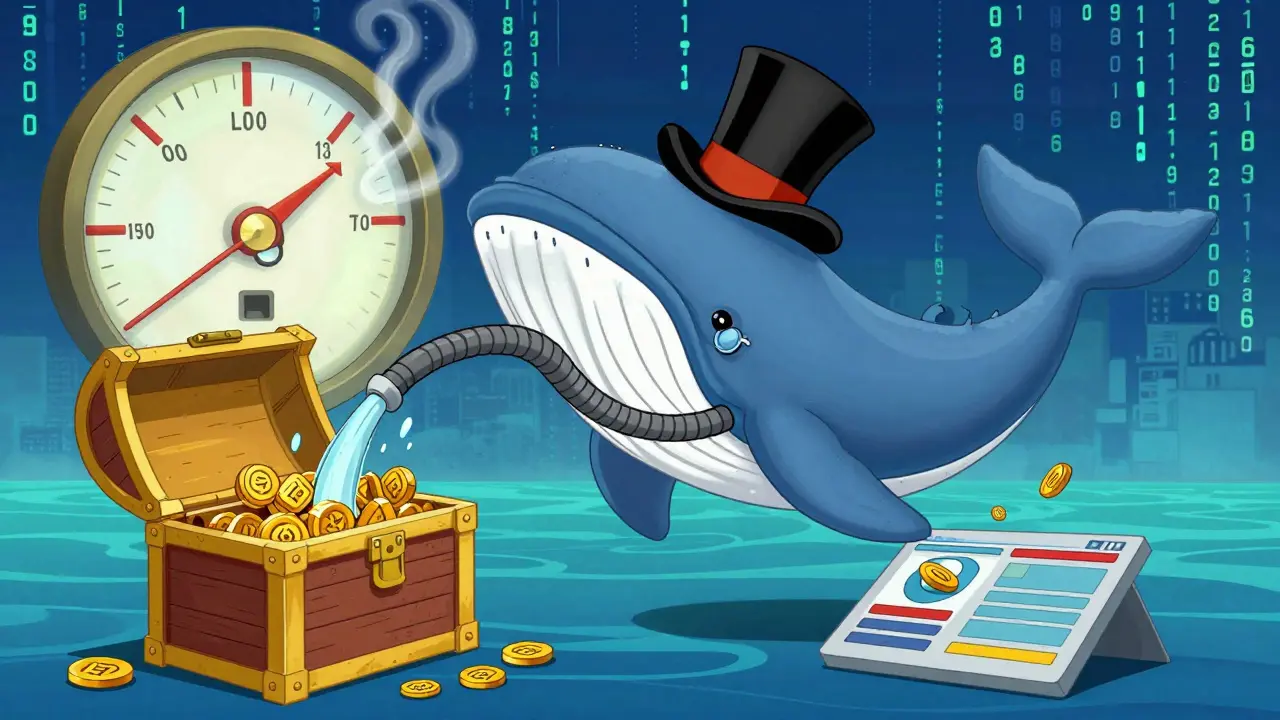
The blockchain is a public ledger, meaning you can literally watch the "whales" move their money. Tracking large wallet movements is essential because these entities have enough capital to shift the market price of an altcoin in minutes. When you see massive amounts of tokens moving from exchanges to private wallets (outflows), it's a signal of accumulation. The whales are taking their chips off the table and preparing to hold.
Conversely, a surge in exchange inflows-where tokens move from private wallets back to trading platforms-usually precedes a sell-off. If this happens while the price is hitting new highs, it's a classic sign of distribution. The big players are exiting while retail investors are buying the top.
To get a deeper look at market cycles, professional analysts use the MVRV Ratio (Market Value to Realized Value). This compares the current market cap to the value of the coins at the time they last moved. A very high MVRV (typically above 3.7) suggests the asset is overvalued and ripe for a correction, while a low MVRV indicates that the asset is undervalued and may be in a bottoming phase.
The Trap: Limitations of On-Chain Data
On-chain metrics aren't a crystal ball. One of the biggest pitfalls is "wash trading." This is when a project or a group of insiders trades tokens back and forth between their own wallets to artificially inflate the active address count and transaction volume. If you see a massive spike in activity but the TVL remains stagnant, there's a good chance you're looking at manipulated data.
Additionally, on-chain data is a trailing indicator. By the time a trend shows up clearly in the active address count, the price may have already moved significantly. This is why you should never use one metric in isolation. You need confluence. When rising TVL, increasing active addresses, and whale accumulation all happen at once, you have a high-probability trade. If only one is moving, it's likely noise.
Putting it Together: A Practical Analysis Workflow
If you're analyzing a new altcoin today, don't start with the price chart. Start with the data. Use platforms like Glassnode, CryptoQuant, or Etherscan to follow this sequence:
- Check the User Base: Are active addresses growing over a 30-day and 90-day window?
- Evaluate the Capital: Is the TVL increasing? Is the growth coming from a few whales or a broad base of users?
- Analyze the Cost: Are fees reflecting a high-demand environment or is the network a ghost town?
- Watch the Whales: Are tokens flowing into cold storage or flooding back into exchanges?
- Confirm with MVRV: Is the price currently in a "danger zone" of overvaluation or a "value zone" of accumulation?
By shifting your focus from the candles on a chart to the actual activity on the ledger, you stop guessing and start observing. On-chain analysis allows you to see the internal health of an altcoin, giving you the confidence to hold through volatility or exit before a crash.
Can on-chain metrics predict a price pump?
While they can't predict the exact date, on-chain metrics often provide "leading indicators." For example, a sustained increase in active addresses and whale accumulation usually precedes a price increase because the demand for the token is growing before the market price fully reflects it.
What is the difference between TVL and Market Cap?
Market Cap is the total value of all coins in circulation (Price x Total Supply). TVL (Total Value Locked) is specifically the value of assets deposited into a protocol's smart contracts. A project can have a high market cap but low TVL, meaning it has a high price but very little actual utility or capital usage.
Why do active addresses sometimes drop while price rises?
This is often a sign of "consolidation." It happens when a few large whales buy up most of the supply, reducing the total number of unique wallets holding the coin. While this can drive the price up in the short term, it creates a risk because the market becomes centralized and vulnerable to a single large sell-off.
Are high transaction fees always bullish?
Not necessarily. High fees indicate high demand, which is generally bullish. However, if fees become too expensive, it can drive users away to cheaper competitor chains, which eventually leads to a decline in active addresses and TVL. The key is to see if the fee increase is paired with network growth.
How can I spot wash trading in on-chain data?
Look for "circular patterns." If you see a small group of wallets sending the same tokens back and forth in a loop, or if there is a massive spike in transaction volume without any corresponding increase in TVL or new unique users, it's a strong sign of wash trading meant to trick investors into thinking the project is popular.









Eric Etienne
21 Apr 2026 at 03:43Most people just gamble and hope for the best anyway, so who actually uses this stuff? It's just adding more layers of complexity to a market that's basically one big casino. You can track all the whales you want but the moment a big player sneezes, your "on-chain data" goes out the window. Total waste of time for 99% of retail traders who just buy the top and cry when it dips. Just admit it's a game of luck.