



Imagine trying to update the software of a global financial system that has no CEO, no headquarters, and no single person in charge. If you wanted to change how Bitcoin works, who would you ask for permission? That's the core problem that Bitcoin Improvement Proposals is a formal design document system used to suggest changes, ideas, or enhancements to the Bitcoin protocol. Commonly known as BIPs, these documents ensure that the network evolves through community agreement rather than the whims of a few developers.
The blueprint for decentralized growth
Bitcoin isn't a static piece of code; it needs to evolve to handle more users and stay secure. But since it's decentralized, you can't just push an update to a central server. This is where the BIP system comes in. Introduced back in 2011 by developer Amir Taaki, the framework was actually inspired by how the Python community handles updates via PEPs (Python Enhancement Proposals).
Think of a BIP as a highly detailed request for a feature or a fix. It isn't just a suggestion in a forum; it's a technical specification that explains why a change is needed, how it will work, and what the risks are. Today, the process is managed by a BIP editor-currently Bitcoin Core contributor Luke-Jr-who handles the administrative side, like assigning numbers and keeping the repository organized.
Not all proposals are the same
Depending on what someone wants to change, their proposal will fall into one of three categories. You wouldn't use the same process to change a core security rule as you would to simply explain a new concept to the community.
| BIP Type | Purpose | Example/Requirement |
|---|---|---|
| Standards Track | Changes to the network protocol (Soft/Hard forks) | BIP 141 (SegWit) |
| Informational | General knowledge or guidelines | BIP 39 (Mnemonic seed phrases) |
| Process/Consensus | Changes to how decisions are made | Requires 90% miner majority |
The Bitcoin Improvement Proposals process is most visible during "Standards Track" updates. For instance, BIP 39 changed the game for users by creating the 12 or 24-word recovery phrase standard we use in almost every wallet today. Without this consistency, moving your funds between different wallet software would be a nightmare.
From a rough idea to a formal draft
So, how does a BIP actually get started? It doesn't begin with a formal document. Most changes start as a "vibe check" in the community. A developer or enthusiast might post an idea on a mailing list or an IRC channel to see if anyone else thinks it's a good idea. If the community doesn't immediately tear the idea apart, the author moves to the drafting phase.
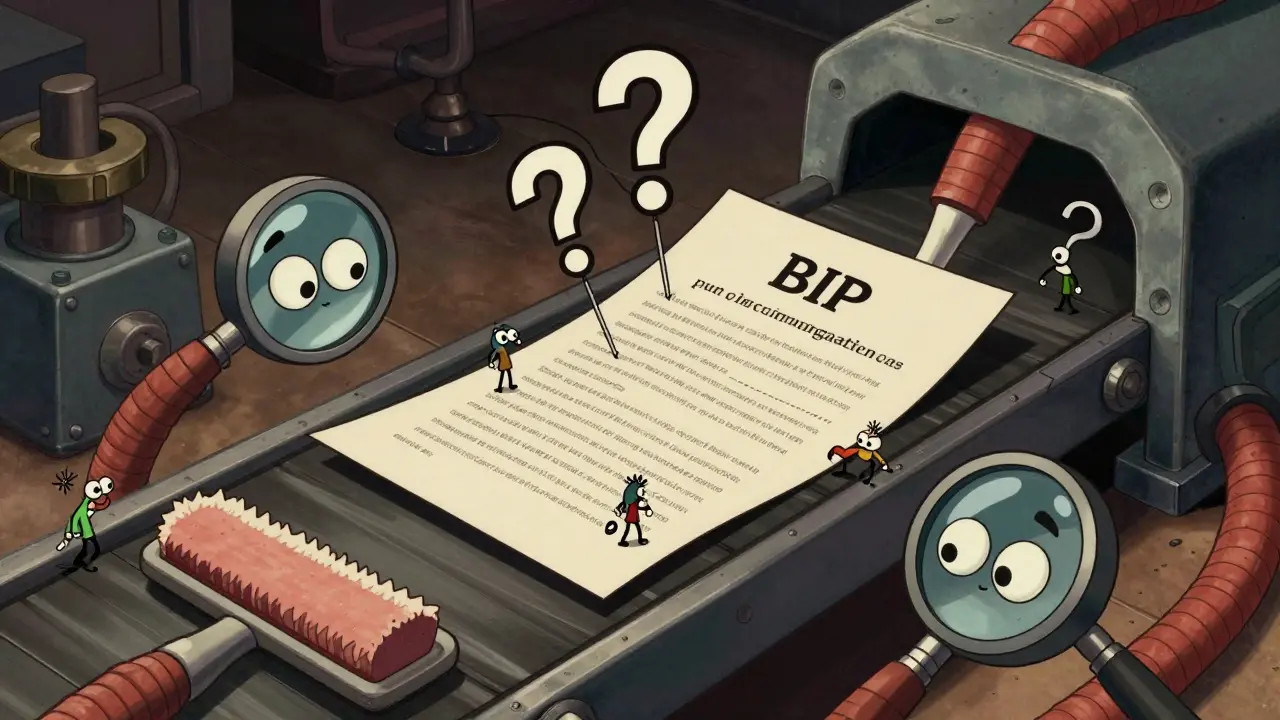
Writing a BIP requires a level of precision that would make a lawyer sweat. The author must provide the technical rationale and, for any protocol change, a reference implementation in code. You can't just say "we should make transactions faster"; you have to show exactly how the code will change. Once the draft is ready, it's submitted as a pull request to the official repository. At this stage, the BIP editor checks for formatting and clarity. If the document is a mess or technically unsound, it gets sent back for revisions.
The gauntlet: Public review and debate
Once the editor assigns a number, the proposal enters the most brutal phase: public scrutiny. In the Bitcoin world, "rough consensus" is the goal, but getting there is a battle. Developers, node operators, and miners poke holes in the proposal for months-sometimes years. They ask: Does this introduce a security flaw? Does it bloat the blockchain? Does it give too much power to certain parties?
The author spends this time refining the document based on feedback. It's important to realize that having a BIP number doesn't mean the change is approved; it just means the proposal is officially "on the table" for discussion. This slow, agonizing process is actually a feature, not a bug. It prevents rushed updates that could potentially crash a multi-billion dollar network.
How a BIP actually gets adopted
Adoption is where the rubber meets the road. For a Standards Track BIP to be integrated, it needs broad agreement among those who actually run the network. This means the developers who write the code and the miners who secure the blocks must both be on board.
Take Segregated Witness (SegWit) or Taproot as examples. These weren't just code updates; they were massive coordination efforts. SegWit changed how data was stored in a block to fix transaction malleability and increase capacity. Taproot improved privacy and efficiency. Both required an immense amount of testing and community alignment before they were finally rolled out.
If the proposal is a "Process BIP," the bar is even higher. These require a clear majority of 90% of miners to agree, as they change the very rules of how the network reaches a decision. If the community can't agree, the BIP remains a draft or is eventually rejected. This ensures that no single entity can hijack the protocol.
Why this messy process is better than a CEO
It sounds slow, and it is. But compare this to a traditional company where a CEO decides a new feature on Monday and it's live on Friday. In a centralized system, if the CEO makes a mistake, the whole company suffers. In Bitcoin, the BIP process acts as a massive filter. By the time a change is actually implemented, it has been stress-tested by the smartest minds in the ecosystem.
This decentralized governance ensures that Bitcoin remains neutral. Because it relies on community consensus, the protocol stays focused on its core mission of security and decentralization rather than chasing short-term trends. It transforms the network from a piece of software into a living, breathing organism that evolves only when it is absolutely necessary and beneficial for everyone.
Can anyone write a BIP?
Yes, anyone in the community can author a proposal. There is no requirement to be a "official" developer. However, for a BIP to be taken seriously, it must follow strict formatting guidelines and provide a strong technical rationale, and for protocol changes, a working code implementation.
What happens if a BIP is rejected?
If a proposal fails to gain consensus or is found to be technically flawed, it is marked as rejected. However, the discussion often paves the way for a better, revised proposal in the future. Rejection is a normal part of the process to ensure only the most secure updates are adopted.
Does the BIP editor have the power to block changes?
The editor acts more like a librarian than a gatekeeper. They can reject a submission if it's poorly formatted, unclear, or technically nonsensical, but they cannot unilaterally decide if a well-drafted proposal is "good" or "bad" for the network. That decision rests with the community and the miners.
How long does the adoption process take?
It varies wildly. Some informational BIPs are adopted quickly, but major protocol changes (Standards Track) can take months or even several years of debate, testing, and refinement before they are finally implemented.
What is the difference between a soft fork and a hard fork in a BIP?
A soft fork is a backward-compatible change; old nodes will still see new blocks as valid. A hard fork is a non-backward-compatible change that requires all nodes to upgrade to the new version of the software to stay on the network. BIPs are used to coordinate both, though soft forks are generally preferred to avoid splitting the network.
What to do next
If you're interested in how Bitcoin evolves, the best way to learn is to look at the actual proposals. You can browse the official BIP repository to see what's currently being debated. If you're a developer, you might start by contributing to existing discussions on mailing lists. If you're a user, simply knowing that these checks and balances exist should give you more confidence in the stability of the network you're using for your financial security.









Megan Blakeman
9 Apr 2026 at 05:07It's just so beautiful how everyone works together like this!!! :) it really makes you think about how humans can collaborate without a boss... it's like a digital utopia!!
Love seeing the slow and steady approach to safety!!!