Landline Caller ID: How It Works and Why It Matters in VoIP Calls
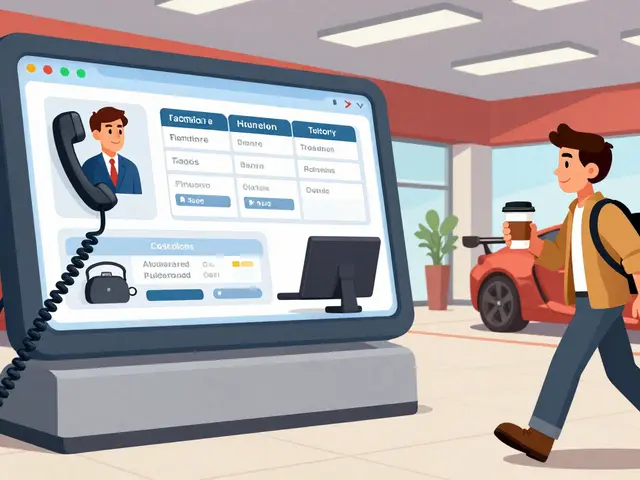
When you see a name or number pop up before you answer the phone, that’s landline caller ID, a system that transmits the caller’s phone number and sometimes name to the recipient’s display. It’s been around since the 90s, but today, it’s more broken than ever — especially when your call comes through a VoIP system. The problem isn’t that caller ID doesn’t work. It’s that it’s too easy to fake. Scammers use caller ID spoofing, the practice of manipulating the displayed number to look like a trusted source to trick people into answering. They make it look like the call is from your bank, the IRS, or even your own number. And because most people still trust what shows up on the screen, they answer — even if they don’t recognize the name.
Modern VoIP systems have the power to fix this. That’s where STIR/SHAKEN, a set of digital authentication standards designed to verify the origin of phone calls comes in. Unlike old-school caller ID, which just sends data with no proof it’s real, STIR/SHAKEN adds a digital signature to every call. Think of it like a verified badge on social media — if the signature checks out, your phone shows a green checkmark. If it’s missing or fake, you get a warning. Major carriers in the U.S. and Canada are required to use it, but not every VoIP provider implements it correctly. That’s why you might still see fake numbers even on newer systems.
Landline caller ID isn’t just about stopping scams. It’s about trust. For small businesses, having a verified caller ID means customers are more likely to answer. For families, it means fewer anxious moments wondering if that call is a telemarketer or your kid’s school. And for remote teams using VoIP phones, consistent caller ID helps with call logging, CRM updates, and even compliance. But here’s the catch: if your VoIP provider doesn’t support STIR/SHAKEN, or if your phone system strips the authentication data, you’re still flying blind.
What you’ll find below are real-world guides on how caller ID actually works in today’s VoIP networks — from how to check if your provider is using STIR/SHAKEN, to why some calls still show up as "Unknown," and how businesses are using verified caller ID to cut fraud by over 70%. You’ll also learn how call routing, encryption, and even Wi-Fi QoS can indirectly affect whether your caller ID displays correctly. This isn’t theory. These are fixes people are using right now to stop robocalls, protect their reputation, and make sure the right calls get through.

VoIP and landline systems handle Caller ID privacy very differently. VoIP offers advanced tools like encryption and AI screening, but requires setup. Landlines are simple but offer little control. Here’s how to choose what’s right for you.