VoIP Provider Support: How to Get Help When Your Business Phone System Fails
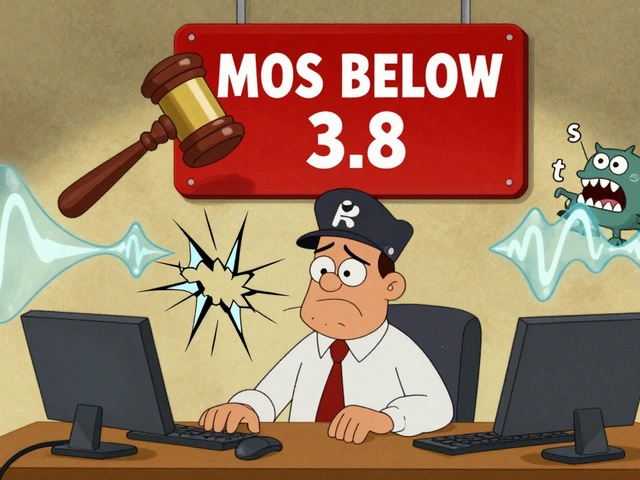
When your Voice over IP (VoIP) provider support, the assistance and service you receive from your business phone system vendor. Also known as VoIP customer service, it means more than just a 1-800 number—it’s the difference between a team that can’t make calls and one that keeps running. Most businesses think VoIP is plug-and-play, but when the call drops, the headset stops working, or your auto attendant goes silent, you need real help fast. Not every provider delivers it. Some vanish after sale. Others send you to a script reader who doesn’t understand SIP trunks or EHS cables. Good VoIP provider support means someone who knows your system, not just the manual.
Real VoIP support doesn’t just fix broken calls—it prevents them. It’s the team that helps you configure SIP trunking, the technology that connects your phone system to the internet using digital lines correctly so you don’t get one-way audio. It’s the person who walks you through port forwarding, opening the right network ports to let voice traffic flow without interruption because your firewall is blocking RTP packets. It’s the support rep who knows why your call recording misses inbound audio because of stereo routing in Teams, not because your software is broken. These aren’t edge cases—they’re daily problems for SMBs and remote teams.
What you’re looking for isn’t a ticket system that takes 48 hours. It’s support that understands VoIP security threats, attacks like toll fraud, vishing, and SIP exploits that target business phones and can guide you to enable MFA or segment your network. It’s knowing whether your issue is with WMM and Wi-Fi QoS, the settings that prioritize voice traffic on wireless networks to reduce jitter and dropouts or if your dual internet circuit is misconfigured. The best providers don’t just answer questions—they anticipate them. They offer guides, live chat with engineers, and even remote screen shares to fix your PBX routing or DID configuration without you having to guess.
And it’s not just about fixing problems—it’s about knowing what’s normal. If your provider tells you overage charges are standard, or that hidden fees for call recording are unavoidable, walk away. The top VoIP providers are transparent. They show you exactly what’s in your plan. They help you track SLA metrics like answer time and first call resolution. They don’t make you dig through PDFs to find out if your headset needs an EHS cable or a handset lifter. They tell you upfront, clearly, and without jargon.
Below, you’ll find real-world fixes and deep dives from users who’ve been there. From Wireshark filters to porting toll-free numbers, these posts cover the exact issues that break VoIP systems—and how to solve them with the right support. Whether you’re a remote team struggling with presence status, a sales team chasing call logs, or a call center trying to cut wait times, the answers here are practical, tested, and built for people who need their phone system to work—now.

Learn how to effectively get technical support for your VoIP system. Discover what to do before calling, how to escalate issues, what good support looks like, and when to switch providers for reliable communication.