



Transitioning to nonprofit VoIP is a way to send voice calls over the internet instead of traditional phone lines. By moving your communications to the cloud, you can often slash your monthly phone bill by up to 60%. Imagine what that extra cash could do for your programs or beneficiaries. Instead of paying for physical hardware and per-line fees, you leverage the internet connection you already have to handle voice, video, and text in one place.
Why Your Nonprofit Should Move Away from Traditional Phones
Traditional phone systems are expensive and rigid. If you want to add a new line for a seasonal volunteer, you often have to deal with physical wiring and a technician. It's slow and costly. VoIP (Voice over Internet Protocol) replaces that clunky infrastructure with a digital system. Since it's software-based, you don't need a massive PBX (Private Branch Exchange) box sitting in your office closet.
For tax-exempt organizations, the savings go beyond just the monthly subscription. Many qualified nonprofits can skip sales taxes or excise taxes usually attached to telecom services. This adds another layer of efficiency to your overhead. When you remove the need for expensive copper lines, you're not just saving money; you're removing a physical barrier to how your team communicates.
Essential VoIP Features for Mission-Driven Work
You don't need a corporate-sized budget to get enterprise-level tools. Modern providers offer features that make a small nonprofit look and act like a professional operation. One of the best is the auto-attendant, which routes callers to the right department without needing a full-time receptionist. This ensures donors and volunteers get to the right person quickly.
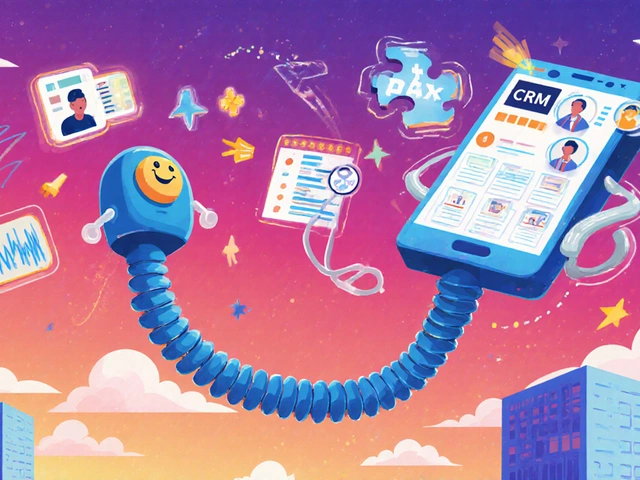
Integration is where the real magic happens. When your phone system connects with your CRM (Customer Relationship Management) software, your team can see who is calling before they even pick up. You can keep a unified record of every interaction with a donor, which is vital for maintaining strong funding relationships. Other helpful tools include:
- Voicemail-to-Email: Get your messages as text in your inbox so you can respond faster.
- Unlimited Nationwide Calling: Connect with partners across the country without worrying about per-minute charges.
- Video Conferencing: Coordinate with board members who live in different states without paying for travel.
- SMS Functionality: Send quick updates to volunteers via text message.
Choosing the Right Provider for Your Budget
Not all VoIP providers are created equal. Some are giant corporations, while others specialize in the unique needs of nonprofits. You'll find basic plans starting around $5 per user per month, while more advanced sets of tools might cost $15 or more. The key is finding a balance between cost and the specific features your organization needs to grow.
| Provider | Best For | Key Strength |
|---|---|---|
| Nextiva | Reliability & Support | Enterprise-grade quality with nonprofit pricing |
| NetCarrier | Scalability | Flexible plans that grow as your team grows |
| SwitchboardFREE | Tight Budgets | Up to 40 free features on basic plans |
| Vonage | Unified Communications | Strong integration of voice, video, and messaging |
| 8x8 | Large-Scale Orgs | Comprehensive hosted services for bigger teams |
Handling the Technical Transition
The biggest worry for most nonprofit directors is: "What happens if the internet goes down?" It's a fair question because your communication is your lifeline to donors. To prevent dropped calls, look for providers that offer bandwidth prioritization. This ensures your voice traffic gets priority over someone downloading a large file in the office.
You also need to check your current broadband stability. If your internet is spotty, you might need a small upgrade before you switch. Most VoIP setups are surprisingly simple-there's no need for a team of engineers. You usually just plug in compatible IP phones or, better yet, use "softphones" (apps on your computer or mobile phone). This is a game-changer for distributed teams who work from home or in the field.
Scaling Your Communications with Your Mission
Nonprofits rarely have a static number of employees. You might have five staff members in January and fifty volunteers in June during a major campaign. A traditional phone system can't handle that fluctuation without a headache. VoIP is built for this. You can add a new user in minutes through a digital dashboard and remove them just as quickly when the project ends.
This elasticity allows you to remain agile. Whether you're launching a new initiative or scaling back during a grant cycle, your communication costs stay proportional to your actual needs. By removing the fixed cost of physical lines, you turn a rigid expense into a flexible tool that supports your growth.
Maximizing Donor Engagement Through Tech
At the end of the day, your phone system is a tool for building relationships. When a donor calls, you shouldn't be guessing who they are. By using a system that integrates with your communication records, your team can provide a personalized experience. Knowing a donor's history instantly makes them feel valued, which directly impacts your fundraising success.
Furthermore, the ability to use video conferencing for board meetings means you can involve high-profile advisors who wouldn't otherwise have the time to travel to your office. You're not just saving money on the phone bill; you're expanding your reach and professional image. When your organization sounds and acts professional, trust grows, and trust is the currency of the nonprofit world.
Will switching to VoIP cause more downtime than traditional phones?
Generally, no. While traditional phones rely on physical wires that can be cut or damaged, VoIP relies on the internet. Most modern providers offer cloud redundancy, meaning if one server goes down, another takes over. To ensure 100% uptime, many nonprofits use a secondary internet backup (like a 5G cellular failover) to keep calls flowing even if their primary provider has an outage.
Do we need to buy all new phones to use VoIP?
Not necessarily. You can use IP phones, but many nonprofits choose "softphones." These are apps that run on your existing laptops, tablets, or smartphones. This allows your team to take their office extension anywhere they go, which is perfect for staff who spend time in the community.
How does the 60% cost saving actually happen?
The savings come from three main areas: eliminating expensive hardware maintenance (no PBX to repair), removing per-line rental fees from telcos, and reducing long-distance charges. Because VoIP uses the internet, calling across the country costs the same as calling across the street.
Is VoIP secure enough to protect donor privacy?
Yes, provided you choose a reputable provider. Enterprise-grade VoIP services use encryption to protect voice data and follow strict security compliance standards. This is often more secure than old analog lines, which are much easier to intercept.
Can we keep our existing phone numbers?
Yes. This process is called "number porting." Your new VoIP provider will handle the transfer from your old carrier, so your donors and partners never even know you changed systems. Your contact information remains the same.



Write a comment