


Why Your Phone Number Won’t Move the Same Way in Canada vs the UK
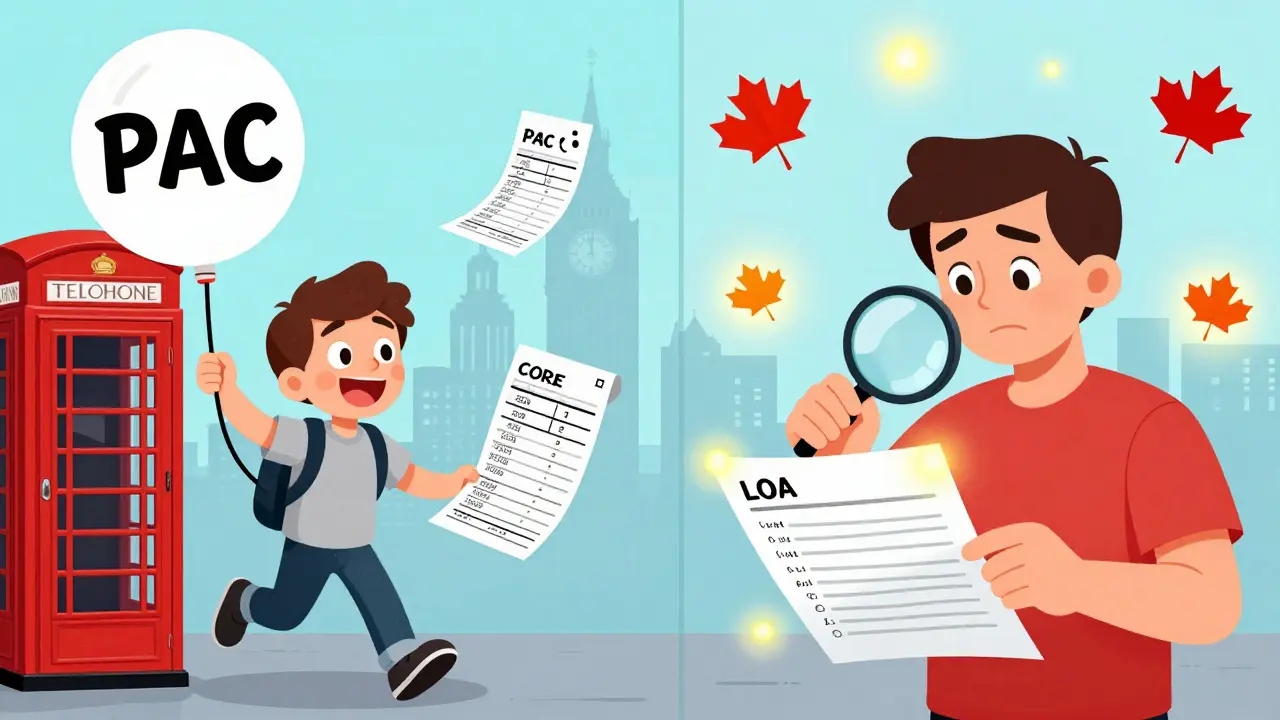
If you’re switching to VoIP in the UK or Canada, you might assume porting your old number is just a formality. But the truth? The process is wildly different depending on which side of the Atlantic you’re on. One country gives you a code you grab in minutes. The other demands a signed form, exact billing details, and patience. One shuts off your line and gives you 30 days to save your number. The other keeps it alive until the switch is done. These aren’t small tweaks-they’re fundamental design choices that affect how businesses operate, how fast you can switch providers, and whether you lose your number entirely.
How the UK Handles VoIP Number Porting
In the UK, getting your number to a new VoIP provider starts with a Porting Authorisation Code (PAC). It’s a 9-character code you request from your current provider-BT, Sky, Virgin, whoever. By law, they have to send it to you within two hours. That’s fast. But here’s where it gets messy: you can’t just cut the cord. Your old provider keeps your number active until the port completes, and you’re stuck paying for it during that time. Most people don’t realize this until they get hit with two bills.
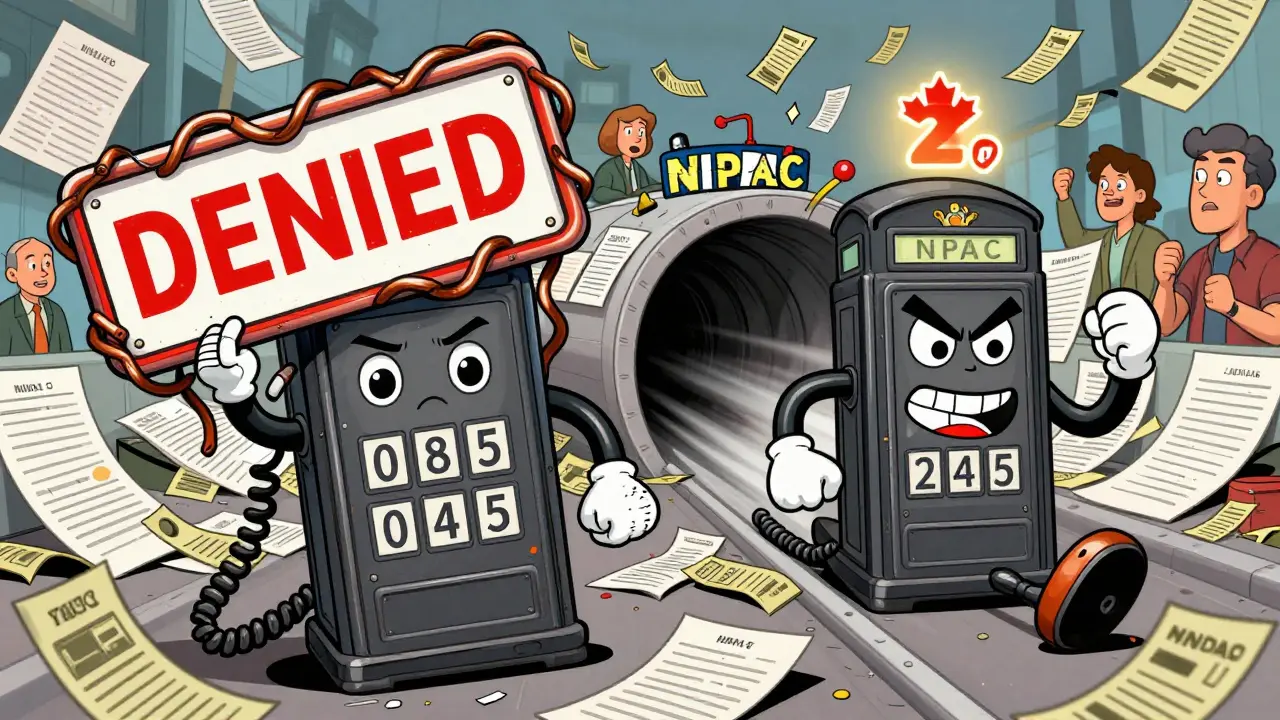
Geographic numbers (01, 02) usually port in 1 to 5 working days. Mobile numbers (07) are just as quick. But non-geographic numbers? That’s where things break down. Numbers starting with 0845, 0870, or 09 can be refused outright. A user on the ISPreview forum reported TalkTalk flat-out denied porting her 0845 number, even though it was her business line for 12 years. Why? Legacy systems. Some providers still treat these as special cases tied to old billing models.
And then there’s the quarantine period. If you switch to broadband-only (like Sky FTTP or Virgin Media), your landline gets disconnected. But your number doesn’t vanish-it enters a 30-day quarantine. During that time, you can still port it, but only if you find a VoIP provider willing to take it. Many don’t. Users on Reddit’s r/UKPersonalFinance describe panic calls to providers after their line dies, only to be told, “Sorry, we can’t accept numbers in quarantine.” That’s a real risk for elderly users or small businesses without backup systems.
How Canada’s System Works-And Where It Fails
Canada’s approach is more structured but less flexible. Instead of a PAC, you need a Letter of Authorization (LOA). This isn’t just a form you fill out online. It must include your full legal name, exact service address, billing telephone number, and a handwritten signature. If your address on the LOA doesn’t match your provider’s records down to the apartment number? Your port gets rejected. That’s why 22.4% of Canadian porting attempts fail, according to the CRTC’s 2024 Troubleshooting Report.
Timeline-wise, Canada is faster for standard cases. Local numbers port in two business days. Mobile numbers? One business day. But VoIP-to-VoIP ports can stretch to five days. And here’s the catch: your old number stays active until the port finishes. No quarantine. No blackout. That’s better for continuity, but it means you’re paying two providers at once. Most users don’t mind-until they see the monthly fee.
Canada charges $1.00 to $3.00 per month just to host your number on VoIP. That’s not a one-time fee. It’s recurring. In the UK, hosting is usually free. You pay once to move it, then it’s yours. In Canada, you’re renting it. Plus, there’s a one-time porting fee of $15 to $25. Some providers hide this until the end of the process. Users on Reddit’s r/canada complain about being shocked by the $24.99 charge after they thought porting was free like mobile number transfers.
Speed and Success Rates Compared
On paper, Canada wins on consistency. The CRTC enforces strict timelines: one day for mobile, two for landline. The UK’s average is 2.1 days for geographic numbers, but it can balloon to 21 days for tricky 08 numbers. Success rates? The UK hit 98.7% in 2024. Canada was at 96.2%. Close, but the UK’s edge comes from simpler rules for common numbers.
But speed isn’t everything. In Canada, the system handles bulk ports better. Enterprises with hundreds of numbers can submit up to 5,000 concurrent port requests through the Number Portability Administration Center (NPAC). The UK’s system maxes out at 1,000 per request. If you’re a business with 300 phones, Canada’s infrastructure is built for you. The UK? You’ll likely need to submit multiple batches.
Still, Canada struggles in rural areas. CRTC’s 2024 Rural Connectivity Report found porting takes 14.3% longer in remote communities. Why? Older infrastructure, fewer providers, and manual verification steps. A business owner in northern Quebec reported a 14-day wait for a simple landline port. In the UK, even rural users get the same PAC process-no delays based on location.
Who’s Winning? The Real Trade-Offs
For small businesses and home users, the UK is easier-if you stick to 01, 02, or 07 numbers. The PAC system is quick, the cost is low, and the rules are clear. But if you use an 0845 or 0800 number? You’re gambling. Some providers will take it. Others won’t. No warning. No appeal.
Canada’s system is more reliable for complex setups. If you’re a mid-sized company with mixed landline, mobile, and toll-free numbers, Canada’s NPAC handles it better. The LOA is a pain, but once you get it right, the process is predictable. The monthly hosting fee? Annoying, but it’s transparent. You know what you’re paying.
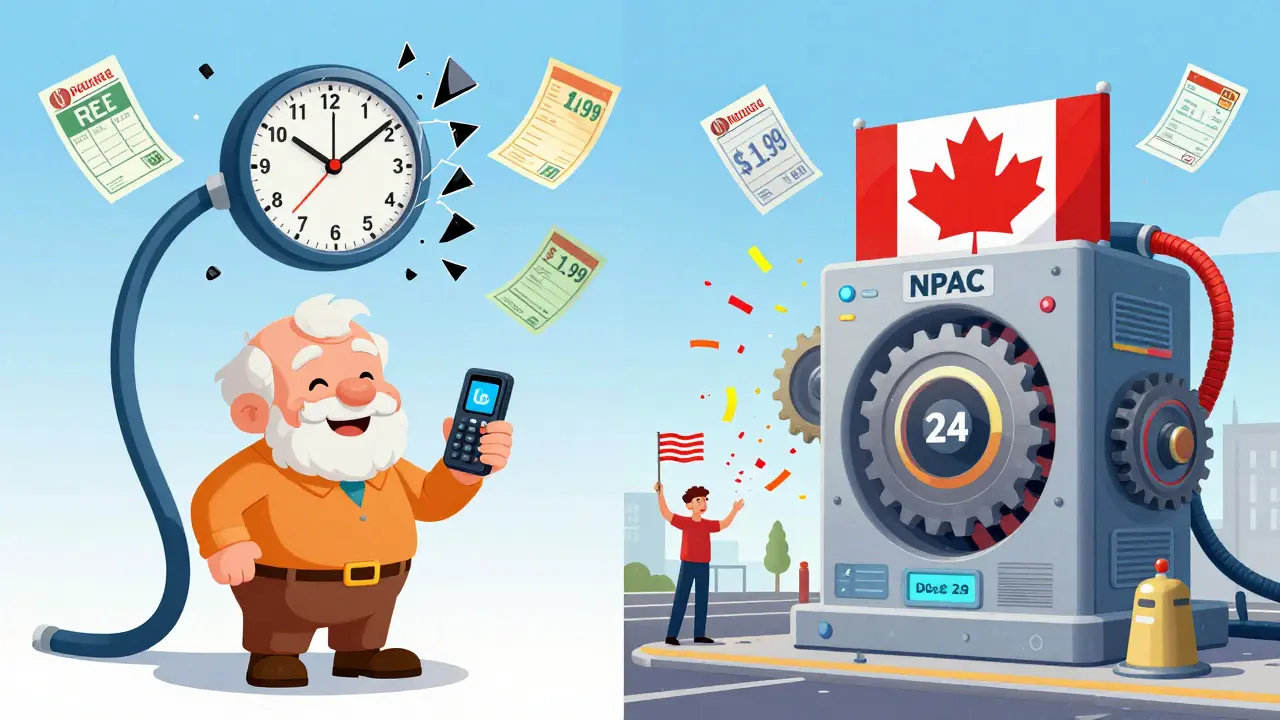
Here’s the kicker: the UK is fixing its biggest flaw. By Q3 2026, the 30-day quarantine will be gone. Replaced by a 14-day grace period. That’s a huge win for consumers. Canada’s NPAC Phase 3 rollout in Q2 2026 will cut porting times to 24 hours across the board. That’s a leap forward.
What You Should Do Before You Switch
- In the UK: Get your PAC within 24 hours of requesting it. Confirm your number type-01/02/07? You’re fine. 08/09? Call your new VoIP provider first and ask if they accept it. Don’t cancel your old service until the port is confirmed. Keep your old phone active.
- In Canada: Double-check your LOA. Name, address, phone number-every detail must match your provider’s records. Get a signed copy. Save a PDF. Don’t assume your billing address is correct-sometimes it’s outdated. Ask your new provider: “Do you charge monthly hosting? How much?”
What’s Coming Next
The UK’s PSTN shutdown in December 2025 will force millions off copper lines. Ofcom estimates 1.2 million vulnerable customers-mostly seniors and small businesses-could be left without service if they don’t port in time. Providers are scrambling to offer free porting during this window.
In Canada, cross-border porting is a growing headache. Businesses with US clients often try to port US numbers to Canadian VoIP systems. It fails 37.5% of the time because the numbering systems don’t talk to each other. The CRTC and CNAC are working on solutions, but no fix is scheduled yet.
By 2030, both countries expect over 90% of businesses to use VoIP. The difference? The UK will get there faster thanks to fiber rollout. Canada will get there more evenly thanks to its robust porting backbone. Neither system is perfect. But knowing the rules lets you avoid the traps.
Frequently Asked Questions
Can I port my 0800 number to VoIP in the UK?
It depends. While 0800 numbers are technically portable, many VoIP providers refuse them because they’re tied to legacy billing systems. Always confirm with your new provider before starting the process. Some, like Vonage and RingCentral UK, accept them. Others, like TalkTalk and BT, may block them outright.
Why is my Canadian port request being rejected?
Most rejections happen because the Letter of Authorization (LOA) doesn’t match your provider’s records exactly. Check your name, address, and billing number. Even a typo in your apartment number or a missing hyphen in your phone number can cause failure. If you’re unsure, ask your new provider to review your LOA before you sign it.
Do I need to keep my old service active during porting in Canada?
Yes. Your number stays active with your old provider until the port completes. You’ll pay both providers during the transition. This prevents service loss but means you’ll get two bills. Plan for this-it’s standard in Canada.
How long does it take to port a number in the UK?
For geographic (01/02) and mobile (07) numbers, expect 1 to 5 working days. Non-geographic numbers (03, 08, 09) can take up to 21 days, and some providers won’t port them at all. Always ask your new provider for a guaranteed timeline before you start.
Is there a fee to port my number in Canada?
Yes. Most providers charge a one-time porting fee of $15-$25 and a monthly hosting fee of $1-$3 per number. This is standard practice. Unlike the UK, where hosting is usually free, Canada treats your number as a hosted service, not a transferred asset.
Can I port my number if I’m moving from the US to Canada?
No. Canadian VoIP providers cannot port US numbers. The numbering systems are incompatible. If you’re relocating, you’ll need to get a new Canadian number. Some providers offer virtual US numbers as a workaround, but your original US number won’t transfer.
What happens if my number gets stuck in quarantine in the UK?
If your number enters the 30-day quarantine after disconnecting your landline, you have a narrow window to port it. Contact VoIP providers immediately. Many won’t accept numbers in quarantine. If you miss the window, your number is lost forever and may be reassigned to someone else. Don’t wait-act within the first week.








Henry Kelley
3 Feb 2026 at 22:47I just ported my number in Canada last month and honestly? The LOA was a nightmare. I messed up the hyphen in my apartment number and got rejected. Took 3 days to fix it. Meanwhile, my old provider kept charging me. I get why they do it for security, but damn. At least I didn’t lose my number. UK folks got it easy with that PAC thing. No signature, no paperwork. Just copy-paste and go.