Analog to VoIP: Making the Switch with Confidence
When you switch from analog to VoIP, a system that turns voice into digital data sent over the internet. Also known as IP telephony, it replaces the copper wires and physical switches of old phone systems with software, cloud servers, and your internet connection. This isn’t just a tech upgrade—it’s a complete reset of how calls work. You’re not trading one phone for another. You’re trading a fixed, fragile system for one that moves with you, scales with your team, and cuts costs by up to 80%.
What makes this shift real isn’t the fancy features—it’s what happens when your old landline dies during a storm. With VoIP, a phone system that uses internet protocols to carry voice calls. Also known as IP calling, it can reroute calls to your phone, tablet, or even a friend’s house if your internet goes down. But here’s the catch: it needs power and internet. That’s why many users pair VoIP with backup batteries or mobile hotspots. Meanwhile, SIP trunking, the digital bridge between your office phone system and the public phone network. Also known as SIP lines, it eliminates the need for physical phone lines entirely. No more paying for 10 separate lines when you only use 3. SIP trunking lets you add or remove call channels in minutes, not weeks.
You’ll find that analog to VoIP isn’t about ditching reliability—it’s about redefining it. Landlines still win in power outages, but they can’t block robocalls, forward calls to your phone, or let your whole team pick up one number. VoIP does all that—and more. The posts below cover everything from how to test your network before switching, to which phones actually work with your new system, to how to keep calls clear even on shaky Wi-Fi. You’ll see real comparisons between codecs, jitter buffers, and bandwidth needs. You’ll learn how small businesses and pharmacies are using VoIP to stay compliant, how sports venues handle 500 calls at once, and why seniors are choosing VoIP for scam protection over analog’s false sense of security.
Whether you’re replacing a home phone, upgrading a call center, or just tired of paying $50 a month for one line, the answers are here. No theory. No fluff. Just what works—tested, broken down, and ready to use.

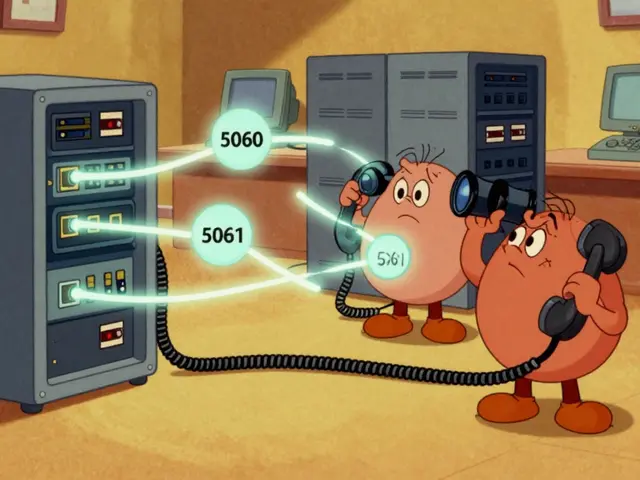
FXS and FXO ports let you connect analog phones and landlines to modern VoIP systems. Learn how they work, when to use each, and how to avoid common setup mistakes in 2025.