Blockchain Data in VoIP: How Decentralized Systems Are Changing Call Networks
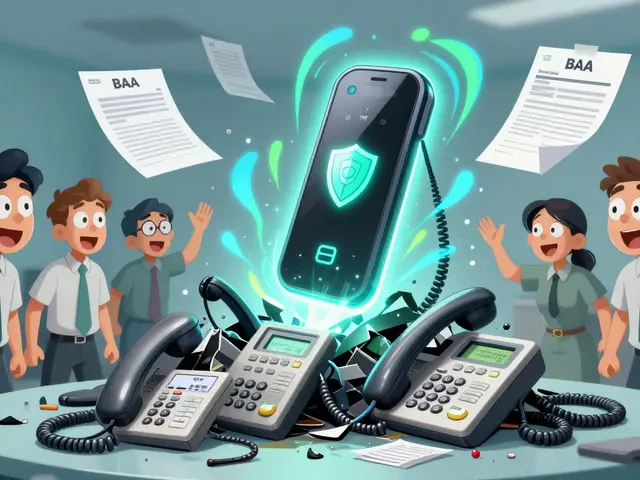
When you think of blockchain data, a tamper-proof digital ledger that records transactions across a network of computers. Also known as distributed ledger technology, it's often linked to cryptocurrencies—but it’s also quietly transforming how VoIP systems authenticate users, secure calls, and prevent fraud. Most VoIP providers still rely on centralized servers to manage SIP registrations and call routing. That means if one server goes down or gets hacked, your calls can drop, your credentials can be stolen, or robocallers can spoof your number. Blockchain data changes that by removing the single point of failure. Instead of trusting one company’s server, your call data is verified across multiple nodes—making it far harder to manipulate or shut down.
This isn’t science fiction. Some VoIP platforms now use blockchain data to issue digital identities for SIP endpoints. Each phone or softphone gets a unique, cryptographically signed identity that can’t be faked. That cuts down on toll fraud, where hackers make thousands of dollars in international calls using stolen credentials. It also helps with compliance. If you need to log call records for HIPAA or PCI-DSS, blockchain data creates an immutable audit trail—no one can delete or alter entries after the fact. And because it’s decentralized, you don’t need to rely on a single provider’s uptime. Even if one node fails, the network keeps running.
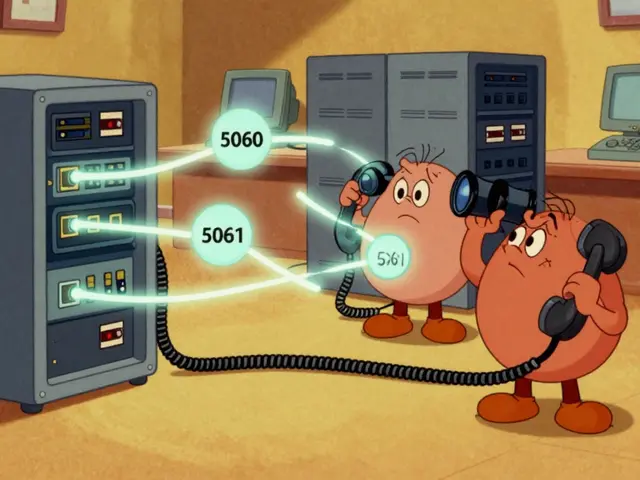
Related technologies like decentralized telephony, a phone system built on peer-to-peer networks instead of traditional telecom infrastructure are starting to appear. These systems use blockchain data to route calls directly between users, skipping expensive carrier fees. They’re still early-stage, but they’re already being tested by remote teams and international businesses tired of paying high rates for cross-border calls. Meanwhile, SIP trunking, the method that connects your office phone system to the internet is getting upgrades. Some providers now use blockchain to verify the authenticity of SIP registration requests—preventing attackers from hijacking your lines with fake login attempts.
What you’ll find in this collection isn’t hype. These aren’t theoretical papers. They’re real, practical guides from people who’ve set up secure VoIP systems using these ideas. You’ll see how to protect your calls from spoofing, how to reduce fraud costs, and why traditional phone security is falling behind. You’ll also learn what’s actually working today—not what’s coming next year. Whether you’re running a small business, managing a call center, or just tired of robocalls, the shift toward blockchain-backed telephony is happening. And you need to understand it before your provider forces you into it.

Decentralized oracles bring real-world data into blockchains securely by using multiple independent sources to verify information. They prevent smart contracts from failing due to manipulated or unreliable data.