Call Queues: How Smart Call Routing Keeps Customers Waiting Less
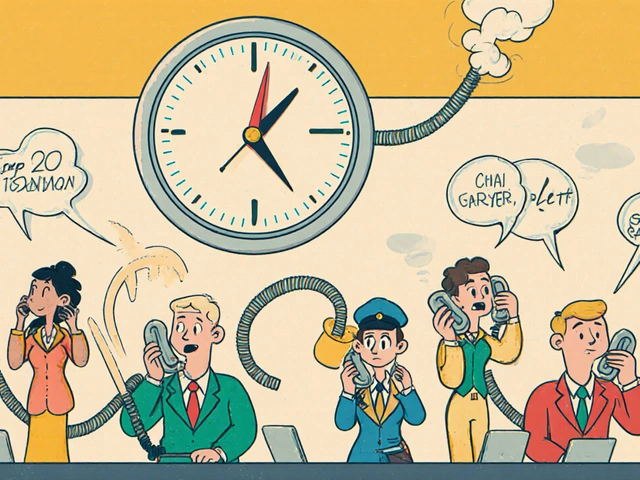
When you call a business and hear call queues, a system that holds incoming calls in line until an agent is available. Also known as call waiting lines, it’s the invisible backbone of any modern customer service operation. You don’t see it, but it’s deciding who gets answered first, who gets redirected to voicemail, and whether you’ll be on hold for 10 seconds or 10 minutes. It’s not just about order—it’s about matching the right person to the right call at the right time.
Good call queues don’t just stack calls. They use intelligent call distribution, an AI-driven method that routes calls based on caller history, agent skills, and real-time workload. Think of it like a traffic light for phone calls: if Agent Sarah just handled a billing question, and you’re calling about the same thing, the system sends you straight to her—even if she’s not the next in line. That’s what cuts first call resolution, the percentage of issues fixed on the first contact and boosts customer satisfaction. Poorly built queues? They dump everyone into a single line, ignore agent skills, and make callers feel like numbers. That’s why companies using smart routing see 30% fewer repeat calls and 25% higher CSAT scores.
Behind every smooth queue is auto attendant, a virtual receptionist that greets callers and directs them before they even hit the queue. It asks, "Is this about billing, tech support, or sales?" and sends you to the right place. No more bouncing between departments. No more "hold while I transfer you." And when combined with VoIP call center, a cloud-based phone system built for handling high volumes of incoming calls, you get real-time analytics on wait times, abandonment rates, and agent performance—all without buying new hardware.
Businesses don’t use call queues just to be efficient—they use them to stay competitive. A customer who waits too long won’t just hang up—they’ll go to your competitor. But a well-designed queue turns frustration into trust. It tells people, "We see you, we value your time, and we’ve built a system to handle you right." And that’s worth more than any ad campaign.
Below, you’ll find real-world guides on how to set up these systems, compare top platforms like Five9 and Talkdesk, fix routing mistakes, and use analytics to make your queues smarter—not just faster. Whether you run a small team or a full contact center, there’s something here that will save you time, money, and headaches.

Learn how ring groups and call queues improve receptionist workflows in SMB VoIP systems. Discover when to use each, setup tips, real-world data, and how to avoid common mistakes for better customer service.