Network Segmentation: Secure Your VoIP Calls and Stop Breaches Before They Start
When you use network segmentation, the practice of dividing a network into smaller, isolated sections to control traffic and limit access. Also known as subnetting, it's not just for IT teams—it's the first line of defense for any business using VoIP. Without it, a single compromised device can let attackers listen in on calls, hijack your phone system, or crash your entire communication network. Think of it like locking different rooms in your house—you wouldn’t leave your safe, bedroom, and garage all open to anyone walking in. The same goes for your network.
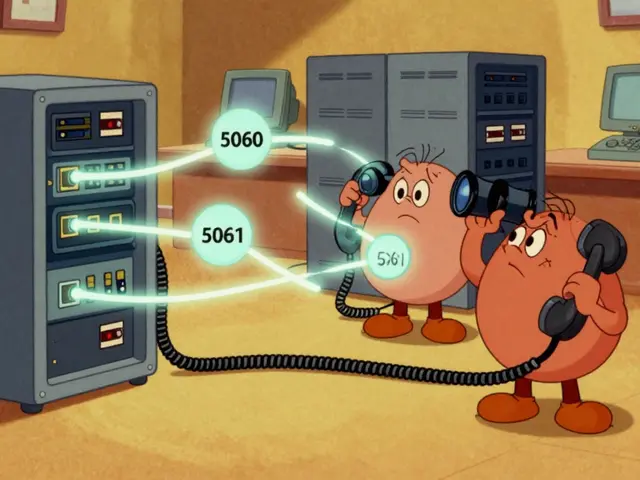
Most VoIP systems run on the same network as your computers, printers, and smart devices. That’s convenient, but dangerous. If someone breaks into your office printer, they might not just print spam—they could intercept your customer calls, steal payment data from your CRM, or use your phone system to make expensive international calls. VLANs, virtual local area networks that group devices logically instead of physically fix this by separating your VoIP phones into their own traffic lane. SIP traffic, the protocol that carries voice calls over IP networks then gets its own rules, priorities, and firewalls. You can even give your phones higher priority than file downloads, so your calls stay clear even when someone’s streaming video. And if you’re using firewall rules, filters that block or allow traffic based on source, destination, or port, you can make sure only your authorized VoIP providers can connect—no random bots, no hackers, no noise.
Businesses that skip segmentation end up paying the price: dropped calls during peak hours, slow CRM updates because phone traffic is clogging the network, or worse—data breaches that cost thousands in fines and lost trust. But when you segment right, you don’t just protect your calls—you make them better. Less jitter, fewer dropouts, and faster response times because your voice data isn’t fighting for bandwidth with YouTube and file uploads. You’ll also sleep better knowing that if one device gets infected, the damage won’t spread to your phone system.
Below, you’ll find real-world guides on how to set this up, what tools actually work, and how to avoid the mistakes most companies make when trying to secure their VoIP. Whether you’re running a small team or a call center with 50 agents, these posts give you the exact steps to lock down your network without hiring a full-time IT staff.

Learn how to harden your VoIP system with proven configuration practices to prevent toll fraud, eavesdropping, and unauthorized access. Essential steps for businesses using VoIP phones.