Oracle Problem in VoIP: Why Call Routing and SIP Issues Break Your System
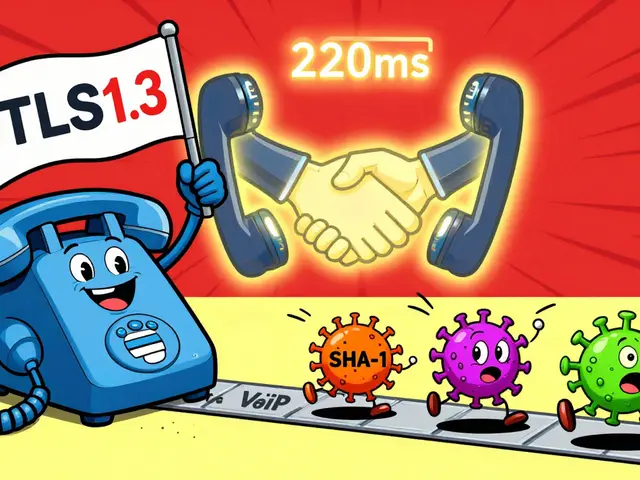
When your VoIP calls drop randomly, echo like a canyon, or never connect at all, you might be dealing with the Oracle problem, a term used in telecom to describe unpredictable call failures caused by misaligned network routing decisions between carriers. It’s not about Oracle the database—it’s about the invisible hand that decides how your voice travels across the internet, and why it sometimes gets lost. This problem shows up when two providers can’t agree on the best path for your call. One thinks traffic should go through a direct peering link. The other sends it through three intermediate hops. The result? Latency spikes, jitter, and dropped calls that feel like magic—except it’s not magic, it’s bad routing.
The SIP trunking, the backbone of modern VoIP that connects your phone system to the public phone network over the internet is where this usually breaks. If your SIP trunk provider doesn’t have direct peering with the carrier your call is trying to reach, your voice gets bounced around like a ping-pong ball. You’ll see this in posts about ISP peering, how internet providers exchange traffic directly to avoid third-party networks—because when peering fails, your calls pay the price. Even if your internet speed is fast, if your traffic flows through congested or poorly connected networks, call quality crashes. That’s why some businesses see perfect calls to local numbers but terrible ones to international numbers—it’s not your phone, it’s the path.
Fixing this isn’t about buying better hardware. It’s about choosing a VoIP provider that controls its own routing. Providers that use static IP peering instead of dynamic registration reduce uncertainty. They don’t rely on third-party networks to find the way—they map out their own highways. You’ll find this in guides about SIP trunk architecture and how Cisco or Asterisk systems handle call routing. The VoIP reliability, how consistently a system delivers clear, uninterrupted calls under real-world network conditions you need isn’t about uptime percentages—it’s about whether your call finds the shortest, cleanest route every single time.
And if you’re running a call center, managing remote teams, or handling customer service calls, this isn’t a minor glitch. It’s a revenue killer. A 3-second delay on a sales call can cost you a customer. A dropped emergency call can cost you a lawsuit. That’s why the posts below dive into real fixes: how to test your network path, which codecs reduce the impact of jitter, how to configure echo cancellers for unstable lines, and why UDP beats TCP for voice. You’ll see how bandwidth calculations, auto-provisioning templates, and even Bluetooth headsets tie back to this core issue—because if the route is broken, nothing else matters.
What follows isn’t just a list of articles. It’s a toolkit for diagnosing and fixing the invisible problems that make your VoIP system feel unreliable—even when everything looks fine on paper. You’ll learn what to ask your provider, how to spot routing traps, and how to build a system that doesn’t leave your calls to chance.

Decentralized oracles bring real-world data into blockchains securely by using multiple independent sources to verify information. They prevent smart contracts from failing due to manipulated or unreliable data.