Ring Groups: How Smart Call Routing Boosts Team Efficiency
When a customer calls your business, ring groups, a feature in VoIP phone systems that directs incoming calls to a predefined set of phones or users. Also known as call rings or hunt groups, they ensure no call falls through the cracks—whether it’s your sales team, support desk, or after-hours line. Without ring groups, every call might go to one person, creating bottlenecks. With them, you distribute calls intelligently, so the right person answers first.
Ring groups work with call routing, the system that decides where an incoming call goes based on rules like time of day, caller ID, or department. They’re not just about ringing multiple phones at once—they can ring sequentially, in a circular pattern, or even skip busy lines. This matters because VoIP phone systems, digital phone networks that use the internet instead of traditional phone lines. let you customize these rules down to the second. Need a call to go to your warehouse team only after 5 PM? Done. Want it to bounce to a backup agent if the first three don’t answer? Easy.
Most small and mid-sized businesses use ring groups to handle high-volume calls without hiring extra staff. A support team might use one ring group for urgent issues, another for billing questions. Sales teams often link ring groups to their CRM so every call gets logged automatically. And because VoIP systems tie into SIP trunking, you can set up ring groups across multiple locations—your office in New York, your remote worker in Texas, and your call center in Manila—all as one unified system.
But ring groups aren’t magic. If you set them wrong, callers get stuck in loops, hear endless ringing, or get dumped to voicemail too fast. The best setups balance speed and personalization. They don’t just ring phones—they match the caller’s need with the right person’s skills. That’s why top teams combine ring groups with call distribution, the method used to assign calls based on availability, expertise, or workload. It’s not just about who’s free—it’s about who’s best suited to help.
Below, you’ll find real guides on how to set up ring groups that actually work. From fixing one-way audio in SIP trunking to linking them with auto attendants and CRM logging, these posts cut through the noise. No theory. No fluff. Just what you need to make your calls flow smoother, faster, and smarter.

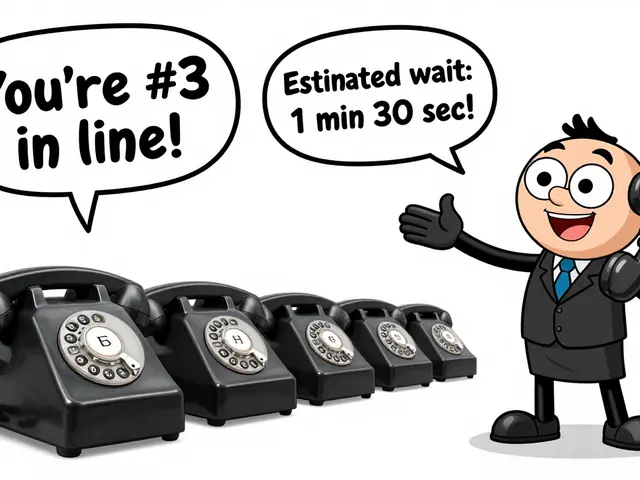
Learn how ring groups and call queues improve receptionist workflows in SMB VoIP systems. Discover when to use each, setup tips, real-world data, and how to avoid common mistakes for better customer service.