Smart Contracts in VoIP: How Automation Is Changing Phone Systems
When you think of smart contracts, self-executing agreements coded on blockchain that trigger actions when conditions are met. Also known as blockchain contracts, they’re not just for crypto—they’re quietly reshaping how VoIP systems handle billing, routing, and compliance. Imagine your VoIP provider automatically charging you only for the minutes you use, verifying caller ID legitimacy in real time, or switching to a backup carrier the moment call quality drops. That’s not sci-fi—it’s what smart contracts enable today.
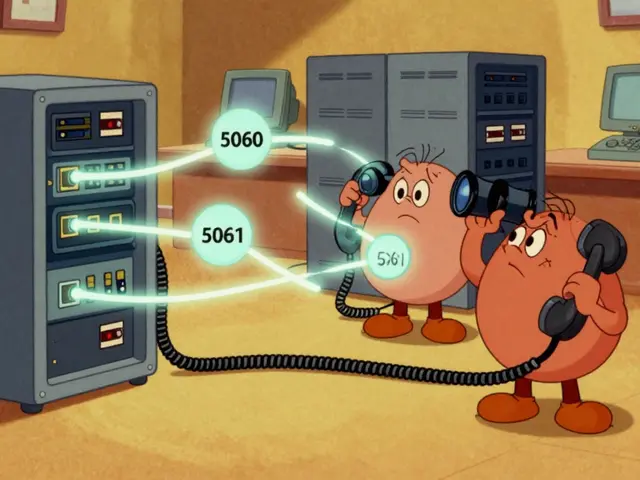
Smart contracts work with SIP trunking, the digital link that connects your phone system to the public phone network over the internet by automating connection rules. If your main SIP provider goes down, a contract can instantly reroute calls to a secondary one, based on real-time latency or packet loss data. No manual intervention. No downtime. This is already happening in enterprise systems using platforms like Asterisk and FreePBX, where APIs tie into blockchain-based orchestration layers. The same logic applies to call routing, the process of directing incoming calls to the right department or person based on rules. Instead of static rules in a web panel, smart contracts adjust routing on the fly—say, sending high-value clients to premium lines during peak hours, or blocking robocalls from flagged numbers before they even ring.
For businesses, this means lower costs, fewer errors, and tighter compliance. A pharmacy using VoIP for prescription calls can set a contract that only allows recordings if HIPAA-compliant encryption is active. A call center can auto-apply call recording retention policies based on region, eliminating manual audits. Even bandwidth usage can be managed: if your network hits 80% capacity, a contract could throttle non-critical calls or shift them to lower-bandwidth codecs like G.729, just like the systems described in our bandwidth and codec guides.
These aren’t theoretical ideas. Companies are testing smart contracts to replace traditional invoicing for VoIP services, eliminating monthly billing cycles in favor of pay-per-use models tracked on-chain. It’s why you’ll see posts here about VoIP APIs, auto-provisioning, and SIP trunk architecture—they’re the building blocks that make blockchain automation possible. You don’t need to be a coder to benefit. What matters is understanding that your phone system is no longer just a set of hardware and software—it’s becoming a self-managing, self-paying, self-correcting network. The posts below show you exactly how that’s being done today, from real-world setups to the hidden risks you need to watch for.

Decentralized oracles bring real-world data into blockchains securely by using multiple independent sources to verify information. They prevent smart contracts from failing due to manipulated or unreliable data.