SRTP Key Exchange: How VoIP Calls Stay Secure Without Slowing Down
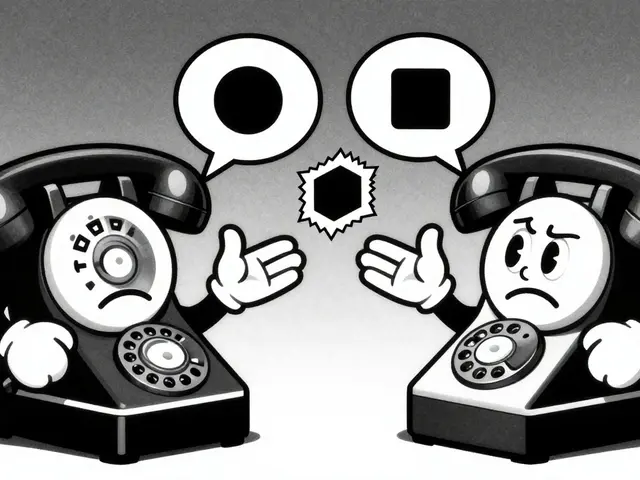
When you make a VoIP call, your voice isn’t just sent over the internet—it’s SRTP key exchange, a process that securely negotiates encryption keys between devices to protect voice data in real time. This is what stops eavesdroppers from listening in, even if someone intercepts your call traffic. Without it, your conversations are as open as a postcard. It’s not magic. It’s math. And it happens in milliseconds, right before your call connects.
SRTP (Secure Real-time Transport Protocol) builds on RTP, the standard way voice travels over IP networks. But unlike plain RTP, SRTP adds encryption, message authentication, and replay protection. The key exchange, the step where both ends agree on a shared secret to lock and unlock the audio stream is what makes this possible. It’s usually handled by DTLS-SRTP or SDES—two methods that work behind the scenes in apps like Zoom, RingCentral, or your office IP phone. You don’t see it, but if it fails, your call either drops or runs unencrypted.
Some people think encryption slows things down. It doesn’t—not anymore. Real-world tests show SRTP adds less than 3% CPU load on modern devices. That’s less than a single codec like G.729. The real bottleneck? Poorly configured firewalls or outdated SIP trunks that block the key exchange handshake. If your calls crackle or drop randomly, check your network settings before blaming the provider. And if you’re in healthcare, finance, or any regulated field, SRTP isn’t optional—it’s the baseline. HIPAA, GDPR, and PCI-DSS all require encrypted voice channels, and SRTP key exchange is how you meet those rules without buying new hardware.
It’s also why some VoIP systems still fail. Cheap phones, old PBXs, or misconfigured softphones might support SRTP in theory but can’t complete the key exchange reliably. That’s why you’ll see calls work fine on your laptop but not on your desk phone. The issue isn’t the audio—it’s the handshake. Top providers like Dialpad and Nextiva handle this automatically. Others leave it to you. Know which one you’re using.
Behind every secure VoIP call is a quiet, fast negotiation between two devices. That’s SRTP key exchange. It’s not flashy. It’s not marketed. But without it, your calls aren’t just vulnerable—they’re worthless. The posts below show you exactly how it fits into encryption, codec performance, SIP security, and why some systems still get it wrong.

DTLS-SRTP is the modern, secure standard for VoIP media encryption, while SDES-SRTP is outdated and risky. Learn why DTLS-SRTP is mandatory in WebRTC and how to choose the right key exchange method in 2025.