VoIP Receptionist: Automated Call Handling for Small Businesses and Teams
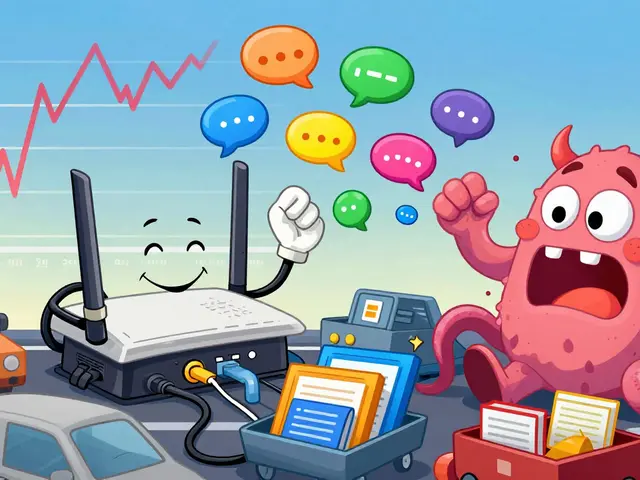
When you think of a Voice receptionist, a person who answers calls, directs callers, and manages basic inquiries. Also known as a virtual receptionist, it’s the first point of contact for your business—except now, it doesn’t need to eat lunch, take breaks, or ask for a raise. A VoIP receptionist isn’t a person. It’s software. It’s an auto attendant, a system that plays pre-recorded menus and routes calls based on user input. And it’s not just for big corporations anymore. Small businesses, remote teams, and even freelancers use it to sound professional without hiring staff.
How does it actually work? When someone calls your number, they hear a friendly greeting: "Press 1 for sales, 2 for support, 3 to leave a message." That’s the auto attendant. Behind it, intelligent call routing, a system that matches callers with the right person or department based on time, caller ID, or even past behavior decides where to send the call. No more transfers to voicemail because no one’s at their desk. No more holding for three minutes while someone searches for a file. The system learns. It adapts. It doesn’t get tired.
And it’s not just about convenience. A smart VoIP receptionist cuts costs. One study showed companies using automated call handling reduced average call handling time by 40%. That means fewer staff needed, less frustration from customers, and more time for your team to actually solve problems instead of answering phones. It also integrates with your CRM—so when a known customer calls, the system pulls up their history before the call even rings through. That’s not magic. That’s VoIP.
You’ll find tools in this collection that show you how to set up these systems without hiring an IT team. Some posts walk you through configuring auto attendants in popular platforms. Others compare how different providers handle call routing, voicemail-to-email, and after-hours messages. There’s even a guide on how to avoid the most common mistake: making your greeting too long or too robotic. Customers hate that. They’ll hang up before you finish the first sentence.
What makes a good VoIP receptionist? Simplicity. Speed. Clarity. The best ones don’t try to do everything—they just make sure the right person gets the call at the right time. And if they can’t? They leave a message that actually gets returned. This collection gives you the real-world setups that work—not the theory, not the sales pitches. Just what your business needs to stop missing calls and start sounding like a pro.

Learn how ring groups and call queues improve receptionist workflows in SMB VoIP systems. Discover when to use each, setup tips, real-world data, and how to avoid common mistakes for better customer service.