Web3 Wallets: Secure Crypto Storage and Digital Identity Tools
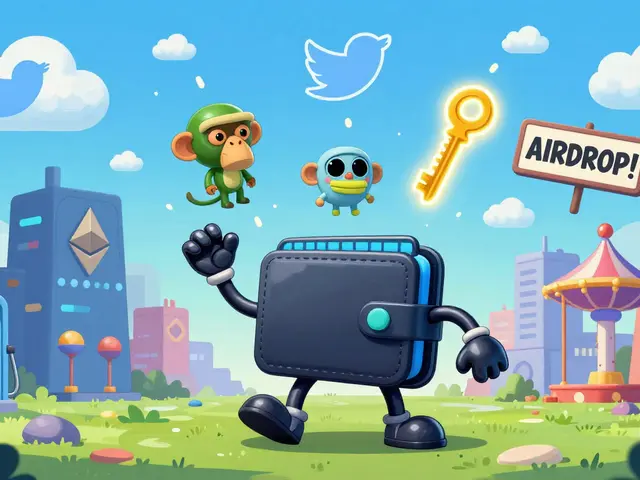
When you use a Web3 wallet, a digital tool that lets you store, send, and manage cryptocurrency and blockchain-based assets without relying on banks or middlemen. Also known as crypto wallets, it gives you full control over your digital identity and assets on decentralized networks. Unlike traditional bank accounts, Web3 wallets don’t need approval—you own the keys, and only you can unlock them. This shifts power from corporations to individuals, but it also means if you lose your private key, your money is gone forever.
Web3 wallets connect directly to blockchains like Ethereum, Solana, and Polygon, letting you interact with decentralized apps, NFT marketplaces, and DAOs. They’re not just for holding Bitcoin or Ethereum—they’re your passport to the open internet. Your wallet address becomes your digital ID. You can sign agreements, prove ownership of a digital artwork, or vote in a community decision—all without logging in with an email or password. This is why companies and developers are starting to treat wallets like the new login system.
There are two main types: hot wallets (connected to the internet, like MetaMask or Phantom) and cold wallets (offline, like Ledger or Trezor). Hot wallets are convenient for trading and using DeFi apps, but they’re vulnerable to phishing and malware. Cold wallets are safer for long-term storage but less practical for daily use. Many users keep a little in a hot wallet for spending and the rest in cold storage. You’ll also see wallets that support multiple chains, which helps if you’re jumping between NFT platforms, gaming economies, or tokenized real-world assets.
Security isn’t optional—it’s the foundation. A Web3 wallet’s strength depends on how well you protect your recovery phrase. That 12- or 24-word backup isn’t just a safety net; it’s your only way back in. If someone steals it, they own your assets. That’s why phishing scams targeting wallet users are exploding. Always check URLs, never paste your recovery phrase into a website, and avoid linking your wallet to sketchy dApps. Two-factor authentication doesn’t work the same way here—you don’t have a password reset button. Your keys are your responsibility.
Web3 wallets are also changing how businesses handle digital identity. Instead of collecting your email, phone, and credit card, a company can ask you to sign a message with your wallet to verify you’re real. No forms. No data mining. Just a cryptographic signature. This model is gaining traction in loyalty programs, ticketing, and even hiring platforms. It’s faster, more private, and harder to fake.
But Web3 wallets aren’t perfect. They’re still clunky for new users. Transactions can be slow and expensive. Mistakes are permanent. And if you’re not careful, you can accidentally send crypto to the wrong address—or worse, approve a malicious smart contract that drains your wallet. That’s why understanding what your wallet actually does—beyond just holding coins—is critical.
Below, you’ll find real-world guides and troubleshooting tips on securing your wallet, connecting it to apps, avoiding scams, and using it for business. Whether you’re holding NFTs, running a DAO, or just trying to send crypto without getting ripped off, the posts here cut through the noise and give you what actually works.

Compare MetaMask, Rainbow Wallet, and top alternatives in 2025 to find the best Web3 wallet for your needs-whether you're a beginner, NFT collector, or DeFi trader.