

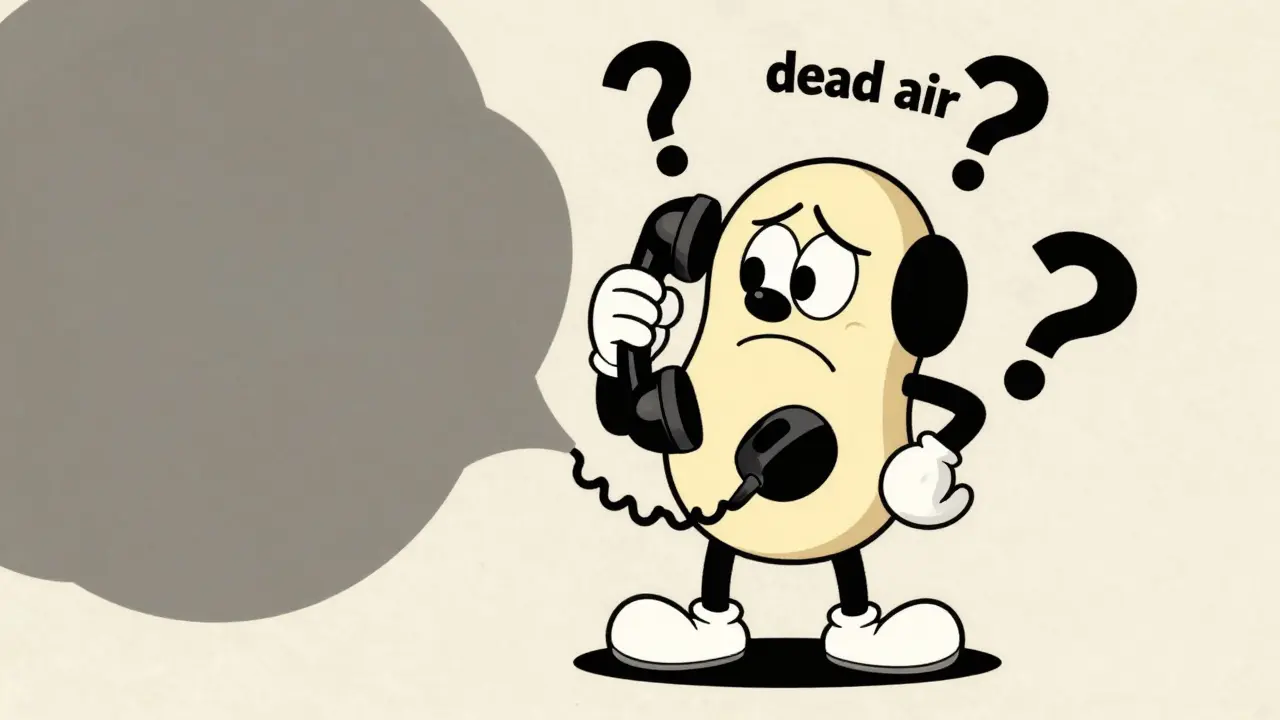

Silence on a phone call is awkward. For a customer, a few seconds of dead air feels like an eternity, and it often leads to the dreaded question: "Am I still connected?" When you place a caller on hold, you aren't just pausing a conversation; you're managing their perception of your brand. Using custom hold music transforms a frustrating wait into a strategic opportunity to inform, entertain, and reassure your clients.
Quick Takeaways for Better Hold Experiences
- Avoid Silence: Dead air increases hang-up rates and customer anxiety.
- Mix Music with Messages: Use hold time to promote new products or answer FAQs.
- Match Your Brand: Choose audio that reflects your company's personality (e.g., professional vs. playful).
- Keep it Fresh: Update your messages monthly or quarterly to keep frequent callers engaged.
The Strategy Behind Music on Hold
Most people think of hold music as just a way to fill the gap, but in a professional setting, it's a tool for customer retention. Music on Hold is an audio feature in phone systems that plays music or recorded messages when a caller is placed in a waiting queue. When a customer hears a steady beat or a helpful voice, their brain perceives the wait time as shorter than it actually is. This is a psychological trick that helps reduce the number of people who hang up in frustration.
Beyond just "keeping them on the line," this is prime real estate for marketing. Think about it: you have a captive audience. Instead of playing a generic elevator track, you can use this time to tell them about a seasonal sale, a new service, or a way to resolve their issue faster via your website. If you run a restaurant, for example, mentioning a new appetizer special while a customer waits for a reservation can actually drive a higher average check once they arrive.
Choosing the Right Platform for Customization
Not all VoIP is created equal. Depending on your provider, you might have everything from a simple "upload file" button to complex administrative controls. If you are looking to customize your experience, you need to know what your current system allows.
For instance, Dialpad is known for its ease of use. Users can jump into their settings and choose from a library of pre-recorded songs or upload their own custom tracks. They even offer a random selection feature, which prevents frequent callers from getting annoyed by hearing the exact same loop every single time they call.
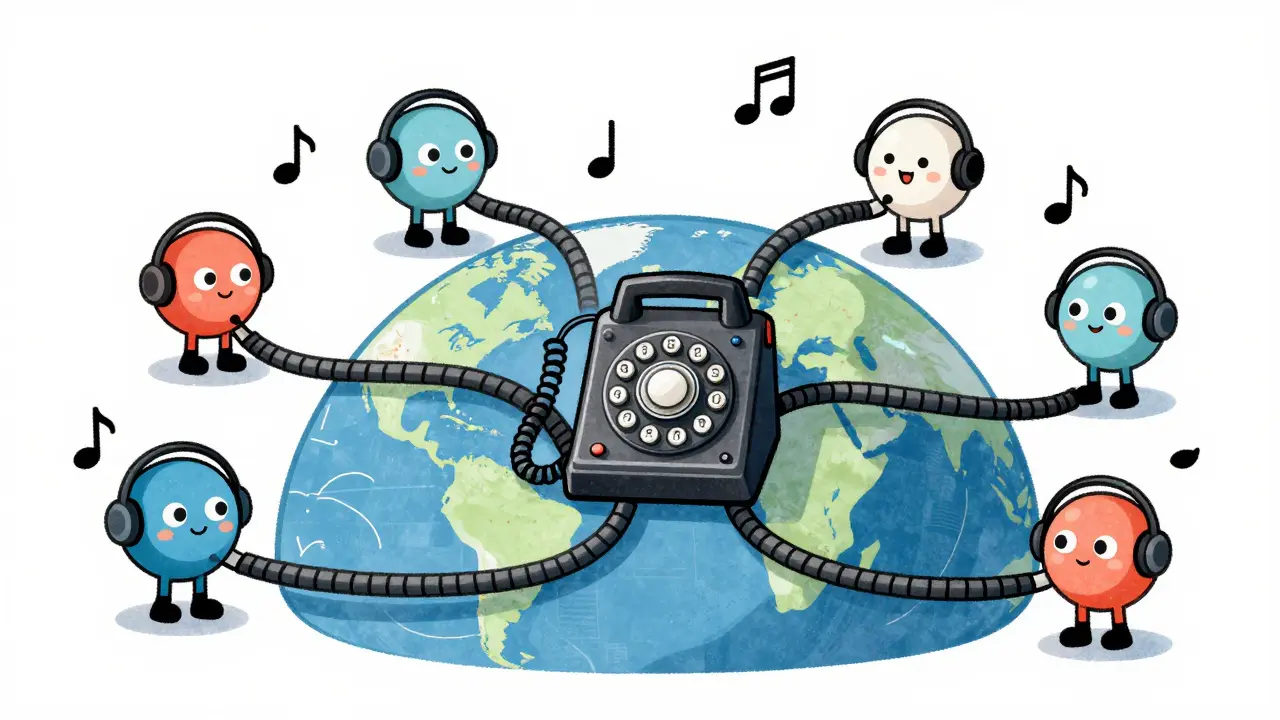
On the other hand, enterprise-level systems like Genesys Cloud provide much deeper control. Because they handle global operations, they allow you to set different hold audio based on the language of the caller. This ensures a customer in Tokyo hears a different message than one in New York, though it requires specific administrative permissions-such as "System Prompt Edit" and "Flow View"-to set up.
| Provider | Customization Level | Key Feature | Best For |
|---|---|---|---|
| Dialpad | Medium | Random song selection | Small to Mid-sized Businesses |
| magicJack for BUSINESS | Basic | Online portal management | Budget-conscious startups |
| Genesys Cloud | Advanced | Per-language audio prompts | Enterprises and Call Centers |
How to Build a High-Converting Hold Experience
You shouldn't just pick a song you like and call it a day. Creating an effective hold experience requires a bit of planning. If you do it wrong, you end up with a repetitive loop that drives people crazy. If you do it right, you actually help the customer feel more valued.
- Audit Your Competition: Spend an hour calling other companies in your industry. Note what makes you want to hang up (like a robotic voice saying "your call is important to us" every 10 seconds) and what makes you feel relaxed.
- Map the "Why": Why are people calling you? If 40% of your calls are about shipping updates, create a hold message that explains how to track a package online. This might actually solve their problem before you even pick up the phone.
- Produce Quality Audio: Avoid recording messages on your smartphone's built-in mic in a noisy room. Use a decent USB microphone and a quiet space. If your budget allows, hire a professional voice actor to ensure the tone matches your brand.
- Verify File Formats: This is where most people get stuck. Every PBX (Private Branch Exchange) system has specific requirements. Some need .wav files, others prefer .mp3, and some require specific sample rates (like 8kHz mono). Check your provider's documentation before you spend hours editing audio.
- Test and Rotate: Listen to your own hold music as a caller. Is it too loud? Is the transition between music and voice jarring? Update your messages every few months to keep them relevant.
Common Pitfalls to Avoid
One of the biggest mistakes businesses make is using "filler" language. Phrases like "Please continue to hold" or "We value your business" are so common they've become invisible-or worse, irritating. They don't provide any actual value to the caller. Instead, use that time for concrete information. Tell them your holiday hours, mention a new blog post, or give them a tip on how to use your app.
Another trap is the "infinite loop." If your music clip is only 15 seconds long, the caller will hear the start and end of the song repeatedly. This creates a psychological sense of urgency and frustration. Aim for audio loops that are at least 60 to 90 seconds long, or use a system like Dialpad that can randomize the selection.
Integrating Hold Music into Your Customer Journey
Your hold experience is a bridge between the initial contact and the resolution. If that bridge is shaky, the rest of the call starts on a negative note. When you customize your audio, you are essentially warming up the customer. By the time you say "Hello," they have already been primed with helpful information and a pleasant atmosphere, making the actual conversation smoother.
For those using advanced Cloud Communications platforms, consider integrating your hold music with your CRM. While the customer is on hold, your agent can be reviewing the customer's history, and the hold music provides the necessary cover to ensure the agent is fully prepared when they return to the line.
Does custom hold music actually reduce hang-ups?
Yes. Silence creates uncertainty, leading callers to believe the call has dropped. Music provides a continuous signal that the connection is active, which psychologically lowers the perceived wait time and keeps the customer engaged.
What is the best file format for hold music?
While it depends on your provider, .wav files are the industry standard for telephony because they are uncompressed and maintain high quality. However, some modern VoIP systems accept .mp3 for easier uploading. Always check your specific system's requirements for sample rate and bit depth.
Can I use any song I want for my business hold music?
Be careful with copyright. Using a popular Top 40 hit without a commercial license can lead to legal issues. It is safer to use royalty-free music libraries or hire a composer to create a unique brand track that you own entirely.
How long should a hold message be?
Individual voice messages should be concise-typically 15 to 30 seconds. The total audio loop (music plus messages) should be long enough to avoid sounding repetitive, ideally between 60 and 120 seconds.
How often should I change my on-hold messages?
For businesses with a loyal, returning customer base, updating messages every 30 to 90 days is ideal. This allows you to promote current events, seasonal offers, and keep the experience feeling fresh.
Next Steps for Implementation
If you're ready to upgrade your audio, start by checking your admin panel. If you use a system like Genesys or Dialpad, look for "System Prompts" or "Call Handling" settings. If you find that your current provider doesn't allow custom uploads, it might be time to evaluate if your current VoIP service is holding back your customer experience.
For those with limited budgets, start by recording a simple, clear welcome and info message. You don't need a full studio to make a difference-just a quiet room and a clear script that focuses on the customer's needs rather than your own corporate jargon.






Kasey Drymalla
30 Apr 2026 at 18:53this is literally a nightmare scenario
imagine being trapped in a loop of elevator music while the company just pretends to care about you it is actually psychological torture and probably some kind of social experiment to see how long we stay on the line before snapping