Decentralized Oracles in VoIP: How Trustless Data Powers Smart Calling Systems
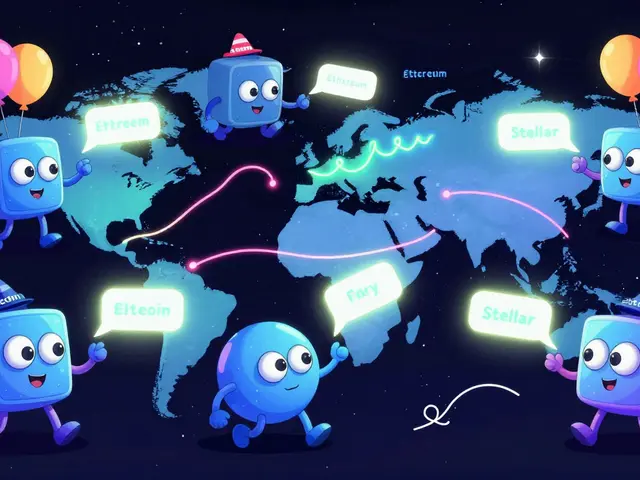
When you think of decentralized oracles, external data sources that securely feed real-world information into blockchain-based systems without relying on a single provider. Also known as blockchain oracles, they act as the bridge between phone systems and outside data like payment confirmations, location checks, or call volume trends. Most VoIP systems today still depend on centralized servers to verify who’s calling, when payment is due, or if a call should be blocked. But what if your phone system could check a blockchain for proof of payment—or confirm a customer’s identity using off-chain data—without trusting a single company? That’s where decentralized oracles come in.
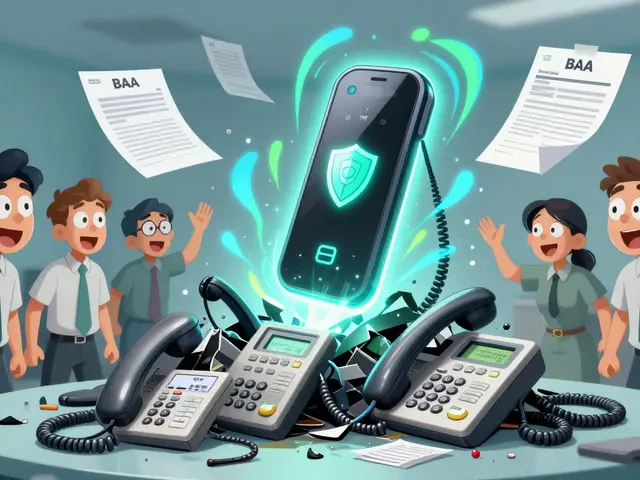
They’re not just for crypto. In VoIP, they can trigger automated actions based on real events: a pharmacy system could verify a prescription refill request only after confirming the patient’s ID via a secure, tamper-proof record; a call center could pause outbound dialing if a carrier’s network is down, based on live outage feeds; or a business could auto-renew a SIP trunk subscription when a crypto payment clears. These aren’t hypotheticals—they’re already being tested by companies building next-gen telephony on open protocols. The key advantage? No single point of failure. If your VoIP provider goes down, the oracle still delivers data from multiple independent sources. That’s why systems using blockchain, a distributed ledger technology that records transactions across many computers so no single entity controls the data for call logging or payment tracking are starting to rely on oracles to keep their automation honest.
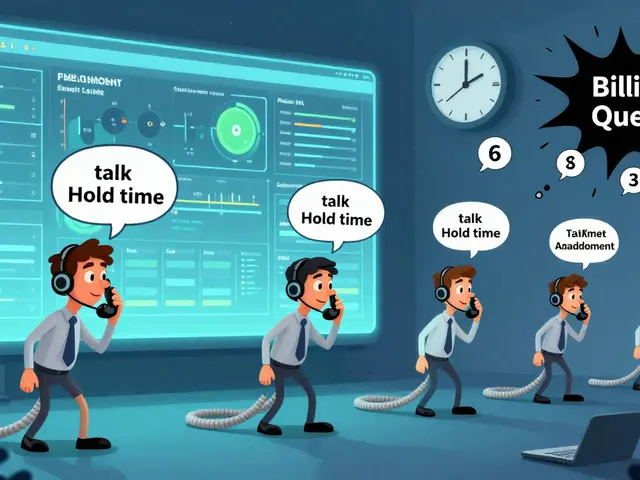
And it’s not just about security. Decentralized oracles help solve one of VoIP’s biggest headaches: unreliable data. Ever had a call drop because your system thought the user was in New York when they were actually in Tokyo? Or got charged twice because the billing system didn’t sync with the payment gateway? Or had a customer service bot give wrong info because it pulled outdated data from a central server? These problems vanish when the system pulls live, verified data from multiple sources. You’re not guessing anymore—you’re acting on truth.
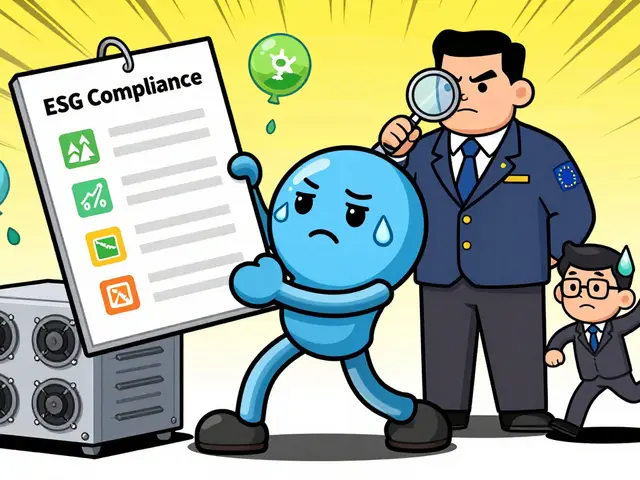
Some of the posts in this collection touch on the same underlying need: reliable, real-time data. Like how smart contracts, self-executing agreements coded on blockchain that trigger actions when predefined conditions are met can auto-activate SIP trunks after payment, or how data reliability, the consistency and accuracy of information used to make decisions in communication systems affects call quality and compliance. These aren’t isolated fixes—they’re pieces of a larger shift toward systems that don’t just connect calls, but understand them.
What you’ll find below aren’t articles about blockchain itself. They’re real-world guides on how VoIP systems are getting smarter—how they handle bandwidth, echo, notifications, and compliance with more precision than ever before. And behind many of those improvements? Quiet, invisible work done by decentralized oracles, making sure the right data gets to the right place at the right time—without anyone having to ask for permission.

Decentralized oracles bring real-world data into blockchains securely by using multiple independent sources to verify information. They prevent smart contracts from failing due to manipulated or unreliable data.