Secure Business Phone: Protect Calls, Prevent Fraud, and Keep Communication Safe
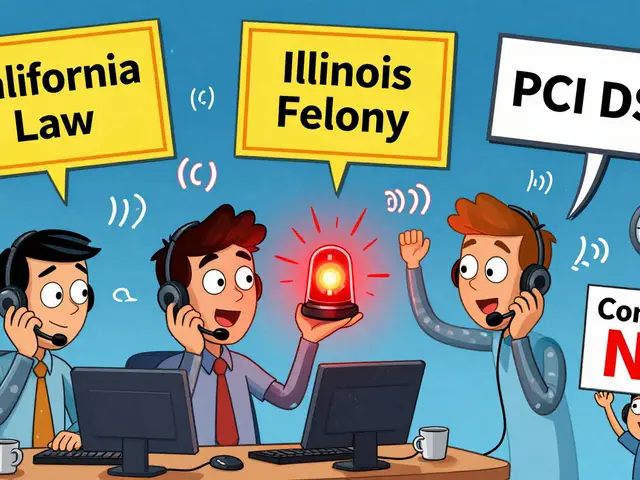
When you use a secure business phone, a voice communication system designed to protect sensitive conversations from eavesdropping, spoofing, and unauthorized access. Also known as encrypted business VoIP, it’s not just a feature—it’s the baseline for any company handling client data, financial info, or confidential operations. Modern threats like toll fraud and vishing attacks cost businesses over $39 billion a year, and most of them happen because companies assume their phone system is safe by default. It’s not. Landlines might feel secure, but they offer zero control over who can spoof your number or how your calls are routed. A real secure business phone uses encryption, access controls, and intelligent filtering to shut down threats before they reach your team.
That’s why VoIP security, the set of practices and technologies that protect voice-over-IP communications from interception, manipulation, and abuse matters more than ever. It’s not just about turning on SRTP encryption—it’s about configuring your PBX correctly, segmenting your network, and blocking unauthorized SIP registrations. Tools like STIR/SHAKEN help verify caller ID, while AI-driven spam filters learn patterns from millions of robocalls to stop fraud in real time. Without these layers, even the most expensive phone system is just a door with a broken lock. And if you’re using cloud-based systems, you’re also trusting your provider’s security—so check their compliance with HIPAA, SOC 2, or ISO 27001 if you handle health or financial data.
Then there’s toll fraud prevention, the active process of stopping unauthorized international calls made through your VoIP account, often by hackers who exploit weak passwords or misconfigured systems. This isn’t theoretical. One unsecured SIP trunk can drain your account in hours. The fix? Disable unused ports, require multi-factor authentication for admin access, and monitor call patterns for spikes in overseas traffic. Pair that with SIP vulnerabilities, common weaknesses in Session Initiation Protocol that allow attackers to hijack calls, inject fake audio, or crash systems awareness, and you’re not just reacting—you’re preventing. Most breaches happen because someone left default passwords on an IP phone or didn’t update firmware in two years. Simple fixes, huge impact.
And let’s not forget VoIP encryption, the process of scrambling voice data so only authorized devices can decode it. DTLS-SRTP is the gold standard now—SDES-SRTP is outdated and easily cracked. But encryption alone won’t save you if your Wi-Fi isn’t prioritized with WMM or your network has open ports. A secure business phone needs the whole stack: strong keys, clean routing, hardened devices, and trained staff. You don’t need a cybersecurity degree to do it right. You just need to know what to turn on, what to block, and where to look when something feels off.
Below, you’ll find real-world guides that cut through the noise. Learn how to stop robocalls before they ring, configure your PBX to block fraud, choose the right encryption for your setup, and fix common VoIP security gaps that leave businesses exposed. No fluff. No theory. Just what works today.

Secure remote VoIP calls with a properly configured VPN using SRTP encryption, VLAN segmentation, and firewall rules to prevent eavesdropping, toll fraud, and data leaks. Essential for hybrid teams.