VoIP Call Center
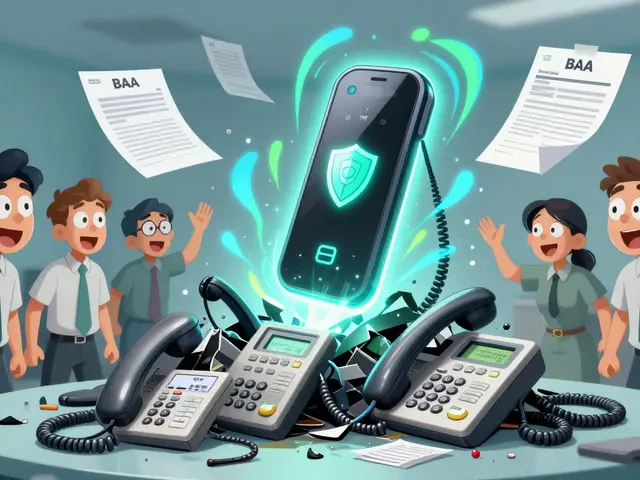
When you run a VoIP call center, a customer service operation that uses internet-based phone systems instead of traditional landlines. Also known as a cloud contact center, it lets teams handle calls, chats, and emails from anywhere—no physical office needed. This isn’t just about saving money on phone bills; it’s about building a system that scales instantly, tracks every interaction, and adapts in real time. If your team is answering 50 calls a day or 5,000, the core challenge stays the same: fix problems fast, keep customers happy, and avoid burnout. That’s where VoIP analytics, the real-time data that shows how calls are handled, who’s waiting, and where delays happen becomes your secret weapon.
Top-performing VoIP call centers don’t guess—they measure. They track FCR (First Call Resolution), the percentage of issues solved on the first try because every unresolved call means another call, another hour of labor, and a frustrated customer. They watch AHT (Average Handle Time), how long agents spend on each call, including hold and after-call work to find bottlenecks. And they tie it all to CSAT (Customer Satisfaction), the direct feedback from customers after each interaction. These aren’t just numbers on a dashboard—they’re the heartbeat of your team’s performance. Tools like auto-logging and CRM integrations make sure every call updates your system automatically, so no detail gets lost. And when you combine that with secure, encrypted calls using SRTP or smart jitter buffers, you get reliability that matches the quality.
But here’s the thing: a VoIP call center isn’t just software. It’s people, processes, and smart choices. You need to know how to port your toll-free number without downtime. You need to pick codecs that balance voice clarity with bandwidth. You need backup plans for power outages and internet drops. And you need to make sure your system works with your CRM, your ticketing tool, and your team’s workflow—not against it. That’s why the posts below aren’t just theory. They’re real fixes, real benchmarks, and real mistakes to avoid. Whether you’re scaling from 10 agents to 100, switching providers, or trying to cut training time, you’ll find what actually works. No fluff. Just clear, actionable steps to make your VoIP call center faster, smarter, and more reliable than ever.

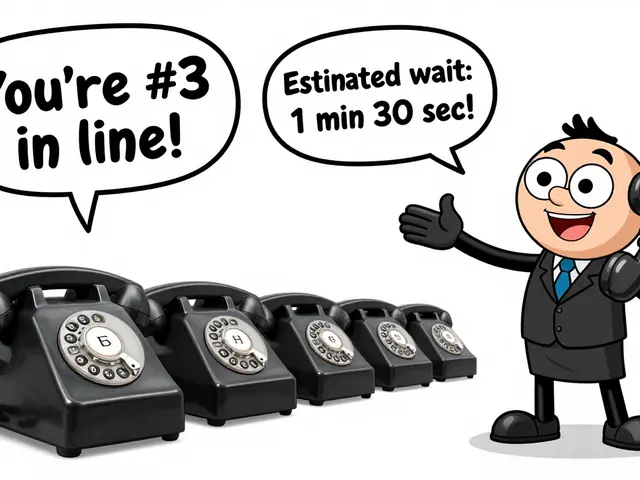
Learn how ASA and service level thresholds work in VoIP call centers, why 80/20 isn't always right, and how top companies use dynamic, AI-driven SLAs to improve customer satisfaction and reduce costs.