VoIP Encryption: How Secure Calls Work and Why It Matters for Your Business
When you make a call over the internet, VoIP encryption, the process of scrambling voice data so only the intended recipient can understand it. Also known as secure VoIP, it's what stops strangers from listening in on your conversations—whether you're discussing patient records, financial deals, or just planning a team lunch. Without it, your calls travel across the internet like postcards: anyone with the right tools can read them. And yes, that includes hackers, rogue employees, and even ISPs that throttle or log traffic.
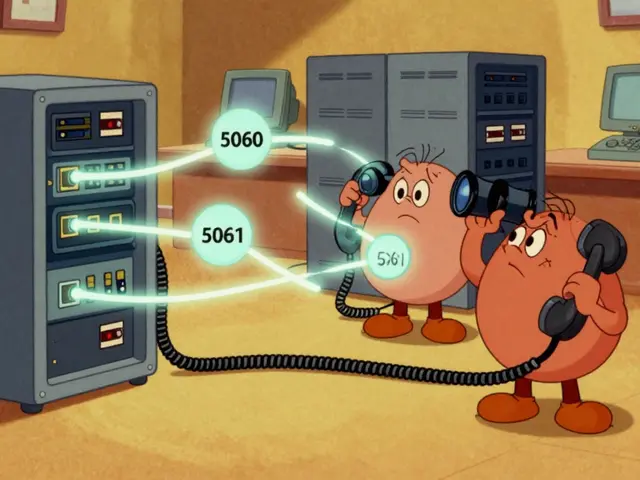
Real VoIP encryption doesn’t just mean a padlock icon on your app. It’s about SIP security, how signaling protocols protect call setup and authentication, and end-to-end encryption, where voice data stays scrambled from your device to the person you’re talking to. Many providers claim to offer encryption, but only a few use SRTP (Secure Real-time Transport Protocol) with ZRTP or TLS for signaling. If your provider doesn’t mention these by name, they’re likely just using basic TLS—good for web traffic, not voice.
Healthcare providers need HIPAA-compliant encryption. Law firms need it to protect client privilege. Even small businesses handling payments over the phone can’t afford leaks. The VoIP encryption you get isn’t just a feature—it’s a legal and financial safeguard. Look at the posts below: you’ll find real comparisons of providers that actually encrypt calls end-to-end versus those that just say they do. You’ll see how encryption impacts call quality, why some codecs break it, and how firewalls and NAT can interfere even when encryption is turned on.
You’ll also learn why some companies skip encryption altogether—because they don’t know the risks, or because their cheap VoIP plan doesn’t support it. But the truth is, encrypted calls cost almost nothing to set up today. The real cost is what happens when someone listens in. The posts here don’t just explain theory. They show you how to test your own calls, what to ask your provider, and which tools actually deliver military-grade security without slowing down your conversations.

VoIP security threats like vishing, toll fraud, and SIP exploits are rising fast. Learn the top 5 attacks targeting businesses in 2025 and how to stop them with encryption, MFA, and network segmentation.

Learn how to harden your VoIP system with proven configuration practices to prevent toll fraud, eavesdropping, and unauthorized access. Essential steps for businesses using VoIP phones.
SRTP adds less than 3% CPU overhead to VoIP calls and doesn't affect voice quality. Learn how encryption impacts codec performance, real-world numbers, and what systems still struggle with it.