SIP vulnerabilities: How hackers exploit VoIP systems and how to stop them
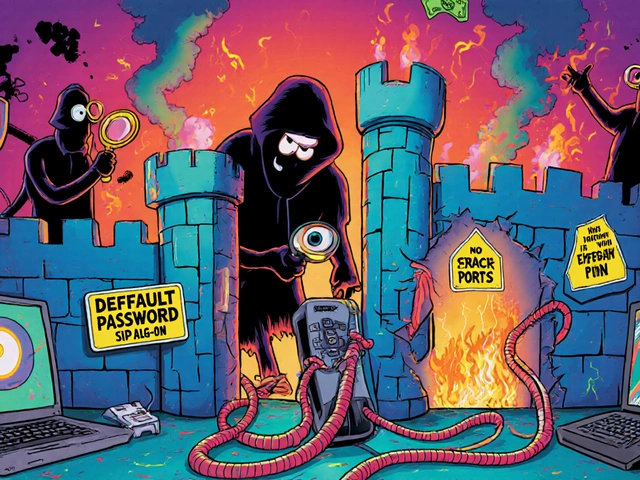
When your business uses SIP, a protocol that routes voice calls over the internet. Also known as Session Initiation Protocol, it's the backbone of modern VoIP systems. But SIP wasn’t built with security as a priority. That’s why hackers target it—cheaply, quietly, and often. A single unpatched SIP device can let attackers make thousands of unauthorized international calls, drain your prepaid balance, or listen in on confidential conversations. You’re not safe just because you use a cloud phone system. If your SIP trunk or IP phone is exposed to the internet without proper locks, you’re already on their radar.
Most attacks start with SIP trunking, the method that connects your office phone system to the public phone network over the internet. Poorly configured trunks with weak passwords or default settings are like leaving your front door wide open. Attackers use bots to scan for open SIP ports—usually 5060 or 5061—and try common usernames like "admin" or "100". Once they get in, they can redirect calls, record conversations, or turn your system into a spam calling hub. Even encrypted media like SRTP, a secure version of the Real-time Transport Protocol used to encrypt voice data won’t help if the call setup is compromised. The encryption only kicks in after authentication—and if the attacker bypasses that step, they own the call before it even starts.
It’s not just about passwords. Port forwarding, a network setting that lets external traffic reach your VoIP devices is a common mistake. Many users open ports to fix call issues, but forget to lock them down afterward. Without a firewall, your SIP devices become easy targets. And if you’re using older codecs or unencrypted signaling like plain SIP instead of TLS, you’re handing attackers a roadmap to your system. Even VoIP firewall, a specialized security tool that filters SIP traffic to block malicious requests can fail if it’s not tuned to your traffic patterns. Most businesses don’t realize their firewall is just a gatekeeper—it needs rules to know what’s normal and what’s an intrusion.
These aren’t theoretical risks. Companies lose thousands every month to toll fraud because they assume VoIP is "secure by default." The fix isn’t complicated: change default credentials, disable unused ports, enable TLS for SIP signaling, use SRTP for media, and set up a dedicated VoIP firewall. You don’t need fancy tools—just discipline. The posts below show you exactly how to harden your system, spot signs of a breach, and fix the most common misconfigurations that leave you exposed. Whether you run a small office or manage a call center, the steps here will stop attackers before they call your next customer.

Explore the critical process of securing Voice over IP systems through advanced penetration testing. Learn the methodology, essential tools like Wireshark and Nmap, and how to fix common security gaps in your telecom infrastructure.

VoIP security threats like vishing, toll fraud, and SIP exploits are rising fast. Learn the top 5 attacks targeting businesses in 2025 and how to stop them with encryption, MFA, and network segmentation.