VoIP Call Recording Fees: What You Pay and How to Avoid Hidden Costs
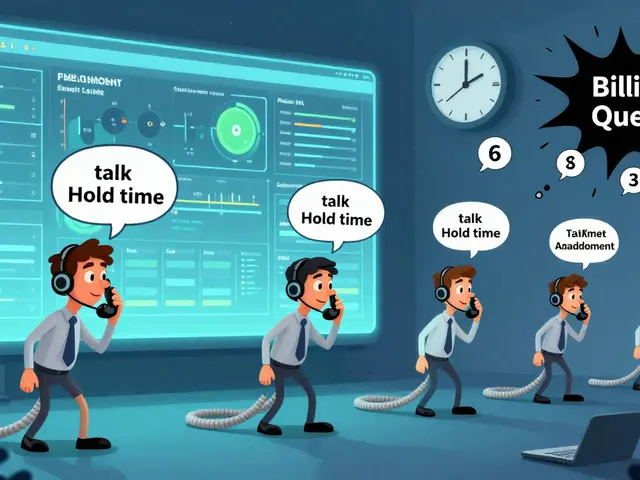
When you record VoIP calls, you’re not just capturing conversations—you’re also generating data that your provider may charge you for. VoIP call recording fees, charges applied by providers for storing, processing, or transmitting recorded audio streams. Also known as call recording usage fees, these aren’t always obvious until your bill arrives. Unlike basic calling, recording adds strain on servers, storage, and bandwidth. Many providers bundle a few hours of recording into their base plan, but go over that limit and you’re hit with per-minute or per-gigabyte charges.
These fees are tied to three key things: SIP call recording, the technical process of capturing audio streams using SIP protocols, VoIP overage charges, extra fees applied when you exceed included usage limits, and VoIP billing, how providers structure and present charges for services like recording, storage, and bandwidth. If your team records 100 calls a day and each is 10 minutes long, you’re using 1,600 hours a month. Most cheap plans only include 100–500 hours. The rest? That’s where the fees pile up.
Some providers hide these costs in fine print. They’ll say "unlimited calling" but then charge $0.05 per minute for recordings. Others charge by storage—$2 per GB per month. A single 10-minute stereo recording can use 15–25 MB. That’s 60–100 GB a month for a small team. That’s $120–$200 extra, just for keeping recordings. And if you’re using tools like OBS or Audio Hijack to capture calls outside the provider’s system, you might be bypassing their tracking—but you’re still responsible for compliance, security, and backup costs.
There’s no magic fix, but you can control this. Look for providers that include recording in their base price without per-minute caps. Check if storage is unlimited or metered. Ask if recording is included in your SIP trunk plan or if it’s a separate add-on. Compare how Five9, RingCentral, and Dialpad handle recording costs—they don’t all charge the same. Some even let you auto-delete recordings after 30 days to avoid storage fees.
You’ll also find that recording quality affects cost. Higher bitrates mean bigger files and higher storage bills. Mono recordings use half the space of stereo. If you don’t need studio-grade audio, stick to 8 kHz mono—it’s enough for compliance and training. And don’t forget: if you’re recording for HIPAA or GDPR, you might need encrypted storage, which some providers charge extra for.
Below, you’ll find real-world guides that show exactly how recording issues show up in practice—from missing inbound audio in Zoom to why your CRM isn’t logging calls properly. These aren’t theory pieces. They’re fixes from people who got hit with surprise fees and figured out how to stop it.

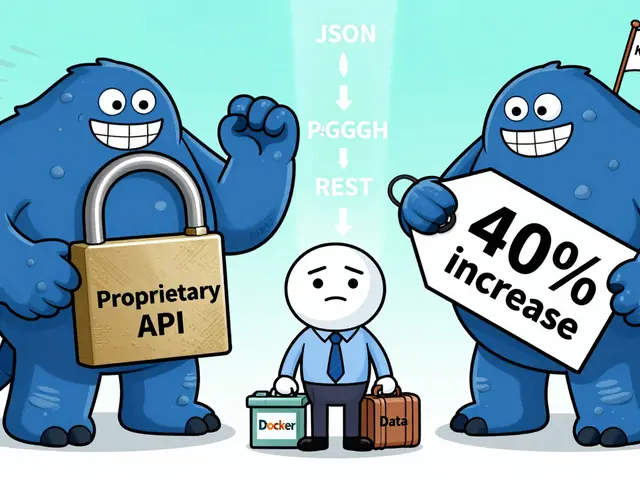
VoIP looks cheap on paper, but hidden add-ons like call recording, CRM integration, and international calling can double your bill. Learn what’s really in your plan - and how to avoid surprise fees.