VoIP Pricing: Understand Costs, Hidden Fees, and How to Save Money
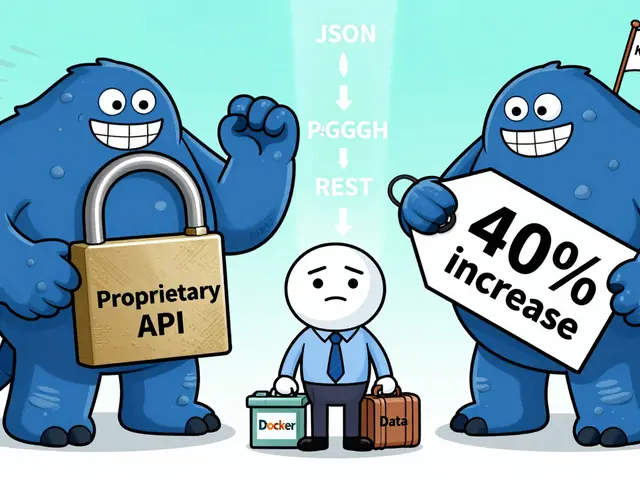
When you think about VoIP pricing, the total cost of using internet-based phone systems, including monthly fees, per-minute charges, and hidden surcharges. Also known as VoIP call costs, it's not just what you see on the invoice—it's what you don't see that adds up fast. Most businesses and travelers assume VoIP is cheaper than landlines, and they're right—but only if they know where to look. A $10/month plan might sound great until you get hit with $0.25/minute for calls to India, $15 to port your number, or $5/month for each virtual number in Germany or Brazil.
International VoIP number fees, the variable costs of hosting local phone numbers in foreign countries vary wildly. In some places, you pay $1 a month. In others, it’s $20. Why? Because of local telecom rules, carrier charges, and taxes hidden in fine print. And it’s not just numbers—VoIP call rates, the per-minute pricing for voice calls over the internet, often tiered by destination depend on your codec. Using G.711 eats more bandwidth and costs more in data usage than G.729. If you’re on a tight internet plan or paying for bandwidth, that adds up. Then there’s VoIP provider comparison, the process of evaluating different VoIP services based on pricing, features, and hidden charges. Not all providers are honest. Some advertise unlimited calling but throttle quality after 100 minutes. Others charge extra for call recording, CRM integration, or even basic call waiting.
Real savings come from knowing what you’re paying for. If you make a lot of international calls, pick a provider with flat-rate zones, not pay-per-minute. If you need multiple virtual numbers, check if they charge per location or bundle them. If your team uses CRM auto-logging or SLA tracking, make sure those features aren’t locked behind a premium tier. And never ignore VoIP pricing when it comes to disaster recovery—backup lines, failover routing, and cloud redundancy aren’t free. You might save $50/month now, but lose $500 in missed calls when your internet goes down.
Below, you’ll find real breakdowns of what these costs look like in practice—from how much it costs to port a toll-free number to why SRTP encryption doesn’t change your bill but can affect call quality. You’ll see which providers actually deliver on their promises, and which ones sneak in fees you didn’t agree to. No fluff. Just what you need to know before you sign up.

Choosing a VoIP provider in 2026 means looking beyond price. Focus on network readiness, uptime, security, AI features, and transparent pricing. Avoid hidden costs and pick a system that integrates with your tools and supports your team.
VoIP looks cheap on paper, but hidden add-ons like call recording, CRM integration, and international calling can double your bill. Learn what’s really in your plan - and how to avoid surprise fees.
A clear guide to building a VoIP budget template that separates one-time setup costs from recurring monthly expenses. Learn what to include, how to avoid common mistakes, and which templates actually work.