VoIP Explained: Scalable Calling, SIP Trunks, and Modern Phone Systems
When you make a call over the internet instead of a phone line, you’re using VoIP, Voice over Internet Protocol—a system that turns your voice into digital data sent across networks. Also known as internet telephony, it’s what powers calls on Zoom, Microsoft Teams, and your business phone system today. Unlike old landlines, VoIP doesn’t need copper wires. It runs on your existing internet, cuts international costs by up to 97%, and lets your team work from anywhere with a smartphone or laptop.
SIP trunks, the digital bridges that connect your office phone system to the public phone network, make this possible. They replace physical phone lines and let you add hundreds of users without new hardware. But VoIP quality depends on more than speed—it’s shaped by UDP vs TCP, the underlying protocols that decide how fast voice data travels, and how your ISP routes traffic between networks. Poor routing causes echo, delays, and dropped calls, even with fast internet.
Whether you’re running a pharmacy that needs HIPAA-compliant calls, a sports venue managing fan interactions, or a remote team needing mobile VoIP, the tools are here. Below, you’ll find real guides on setting up auto-provisioned phones, fixing echo, scaling call centers, and choosing the right system—no fluff, just what works in 2025.

Understand UC's strict recording rules: all-party consent, mandatory deletion timelines, accessibility requirements, and how AI tools are changing compliance. Avoid legal risks with clear steps for staff and faculty.

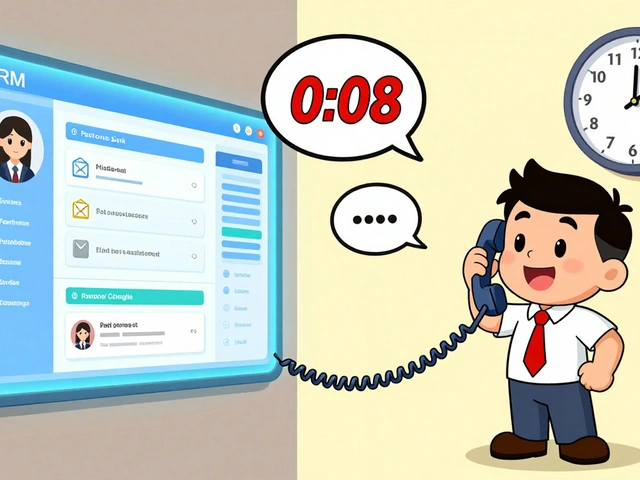
VoIP CRM integration connects your business phone system with your customer data to save time, improve service, and boost sales. Learn how it works, which tools to use, and why small businesses see 35% cost savings and 45% better engagement.
VoIP presence lets remote teams show real-time availability across phones and apps, reducing missed calls and interruptions. Learn how it works, why it’s critical for hybrid teams, and how to set it up.
Learn how to effectively get technical support for your VoIP system. Discover what to do before calling, how to escalate issues, what good support looks like, and when to switch providers for reliable communication.
Learn how Active/Active and Active/Standby dual internet setups affect VoIP call quality. Discover which configuration delivers reliable voice communication and why most businesses choose Active/Standby for critical calls.
VoIP looks cheap on paper, but hidden add-ons like call recording, CRM integration, and international calling can double your bill. Learn what’s really in your plan - and how to avoid surprise fees.
EHS cables and handset lifters both let you answer VoIP calls from your headset, but they work in totally different ways. Learn which one fits your phone system and why EHS is the smarter long-term choice.
Learn how to use Wireshark to analyze SIP and RTP traffic for VoIP troubleshooting. Discover essential filters, common issues, and how to decode call quality problems like jitter, packet loss, and one-way audio.
Avoid unexpected VoIP overage charges with smart planning and the right provider. Learn how overages work, which providers still use them, and how to switch to transparent, penalty-free calling plans.
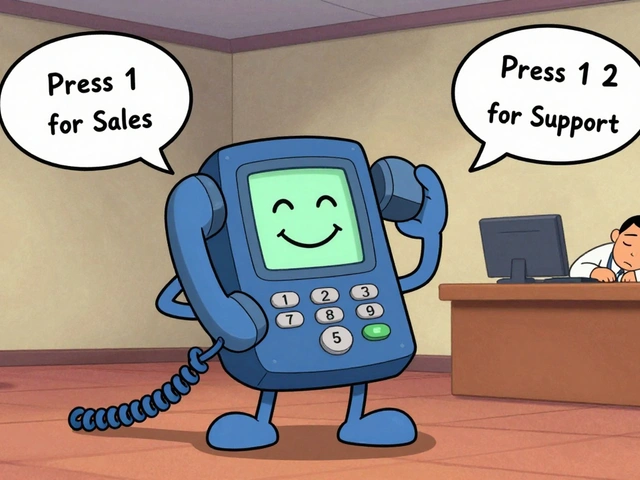
Auto attendants automate call greeting and routing in VoIP call centers, cutting costs and wait times. Learn how to design one that customers actually use-not hate.
Five9 and Talkdesk are two top cloud contact center platforms. Five9 excels in enterprise analytics and outbound automation, while Talkdesk offers faster setup, simpler use, and better compliance. Choose based on team size, compliance needs, and deployment speed.
Learn how ring groups and call queues improve receptionist workflows in SMB VoIP systems. Discover when to use each, setup tips, real-world data, and how to avoid common mistakes for better customer service.